THE ADVENTURE COLLECTIVE® · Independent discovery and booking for outdoor travel

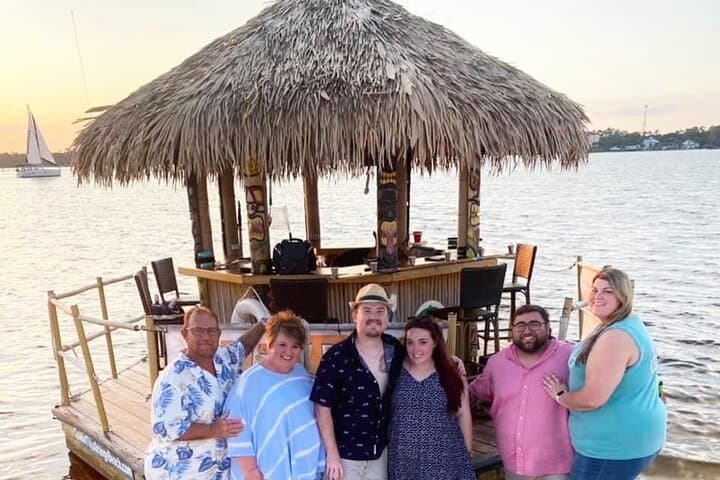
Board a laid-back tiki boat for a 90-minute sunset cruise through Santa Rosa Sound. Expect close-to-shore wildlife viewing—dolphins, osprey and pelicans—calm water, and local island vibes.
Board a laid-back tiki boat for a 90-minute sunset cruise through Santa Rosa Sound. Expect close-to-shore wildlife viewing—dolphins, osprey and pelicans—calm water, and local island vibes.
Book with Operator
Book directly with the operator for the best rates and real-time scheduling.
Reserve NowVerified experiences and guided adventures in the surrounding area.
The tiki boat drifts free as the sun slides toward the Gulf horizon, lights from Pensacola Beach lengthening across the water. Salt-scented breeze tugs at loose hats, and gulls wheel like punctuation marks above the darkening sound—this is a 90-minute window where the water seems to be putting on a show for anyone willing to watch.
easy.
1.5 hours.
Minimal fitness required—must be able to step aboard a small boat and remain seated or steady while standing.
Most departures are from Pensacola Beach area marinas or public boat ramps—confirm your specific meeting point on the ticket; nearby public parking is usually available but can be limited near sunset.
Dolphin sightings are common in Santa Rosa Sound, especially near seagrass beds and channels; sightings aren’t guaranteed but odds are good on calm evenings.
Yes—guests may bring their own alcoholic beverages and snacks; glass is discouraged and operators typically ask you to carry items aboard discreetly.
Operators monitor conditions and will cancel or reschedule trips for high winds or thunderstorms; check the provider’s cancellation policy and contact them the day of the cruise if weather looks uncertain.
The sound formed behind barrier islands that shifted after storms and sea-level changes; the area’s maritime economy expanded with 19th–20th century fishing and later tourism tied to Pensacola’s beaches.
Seagrass beds here are ecologically important and vulnerable to boat prop scars—respect slow-speed zones and avoid running through shallow beds to protect habitat.
Book with Operator
Book directly with the operator for the best rates and real-time scheduling.
Reserve Now