THE ADVENTURE COLLECTIVE® · Independent discovery and booking for outdoor travel

Cross the Belize border into Petén for a six-hour guided day tour of Tikal’s pyramids, plazas and jungle wildlife. Expect uneven trails, early-morning wildlife sightings and interpretive context that brings Classic Maya urban life into focus.
Cross the Belize border into Petén for a six-hour guided day tour of Tikal’s pyramids, plazas and jungle wildlife. Expect uneven trails, early-morning wildlife sightings and interpretive context that brings Classic Maya urban life into focus.
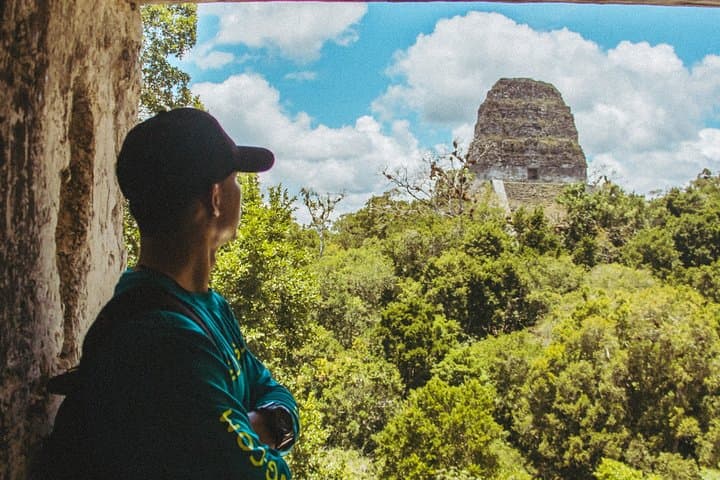
Morning light cuts through the ceiba canopy as the van eases into Tikal's entrance; the jungle exhales and stone faces push through vines like memories reclaiming a city.
Verified experiences and guided adventures in the surrounding area.
Operated by Xibalbus · Flores, Petén
Morning light cuts through the ceiba canopy as the van eases into Tikal's entrance; the jungle exhales and stone faces push through vines like memories reclaiming a city.
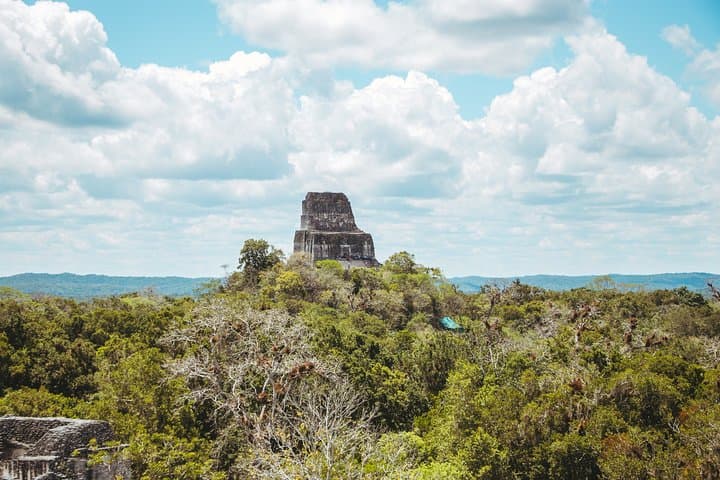
On a full-day tour from the Belize border you move from coastal lowlands into Petén’s limestone forest and arrive where plazas and pyramids still direct the sky. Tikal was a major Classic Maya city (circa 200–900 CE); its plazas, stelae and alignments reflect a culture fluent in astronomy, engineering and ritual. The karst terrain created natural reservoirs and sinkholes that shaped settlement and water-management decisions centuries ago.
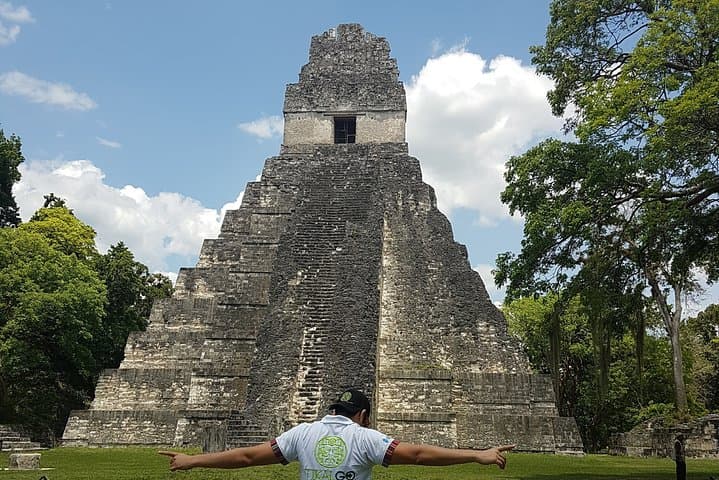
Guides situate you in civic life—how Temple I framed rulership, how El Mundo Perdido preserves the city’s earliest phases—and point out where films borrowed the skyline. Wildlife threads the visit: howler monkeys volley their voices overhead, toucans flash like punctuation, and coatis forage the forest floor, reminding visitors the site is both archaeological park and living ecosystem.
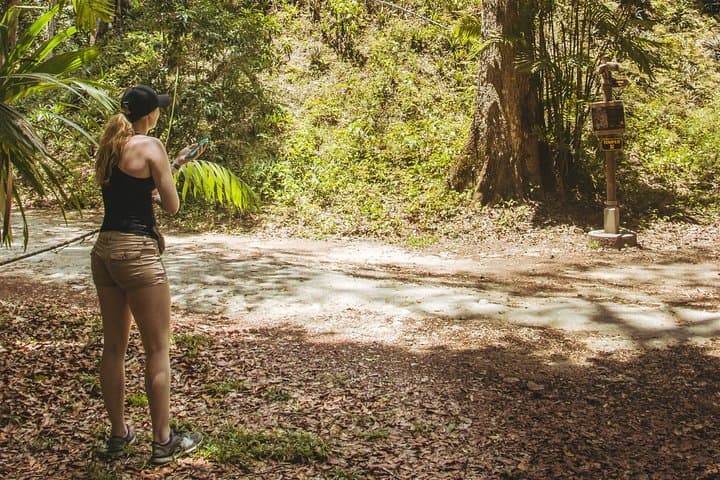
Practical guidance: the tour runs about six hours including roughly an hour’s drive from the border pickup. Trails are packed soil with roots and uneven stone steps—moderate fitness required. Bring insect repellent, a full water bottle, sun protection and sturdy closed-toe shoes. Shoot photographs early or late for the best light and cooler air; midday is hottest and stickier. Follow park rules—stay on marked paths, avoid climbing restricted structures, and carry out trash. With a guide and a careful pace, a day at Tikal reads like a layered map of human ambition and jungle persistence, each viewpoint revealing strategy, ceremony and broad horizon.
moderate.
6 hours.
Moderate fitness: able to walk several miles on uneven terrain, climb steep temple stairs, and tolerate tropical heat.
Pickup and drive time is roughly one hour depending on exact border point and traffic; guides typically factor this into the six-hour schedule.
Yes—families are welcome but the tour requires moderate walking and some steep steps; infants may need to sit on laps during transport.
Entrance fee and guide are generally included in this tour, but confirm with your booking provider; bring cash in local currency for any extra purchases.
Some temples allow climbing (e.g., Temple II historically), but restrictions change—follow your guide and current park regulations to avoid closed structures.
Tikal was a political and ceremonial capital of the Classic Maya world; its monumental architecture records dynastic events and advanced astronomical observation.
Tikal is a UNESCO World Heritage site managed to balance archaeology and biodiversity; visitors help conservation through park fees and by following leave-no-trace practices.
Xibalbus operates guided outdoor trips and adventures with an emphasis on safety, stewardship, and memorable experiences.
Morning light cuts through the ceiba canopy as the van eases into Tikal's entrance; the jungle exhales and stone faces push through vines like memories reclaiming a city.
Morning light cuts through the ceiba canopy as the van eases into Tikal's entrance; the jungle exhales and stone faces push through vines like memories reclaiming a city.
On a full-day tour from the Belize border you move from coastal lowlands into Petén’s limestone forest and arrive where plazas and pyramids still direct the sky. Tikal was a major Classic Maya city (circa 200–900 CE); its plazas, stelae and alignments reflect a culture fluent in astronomy, engineering and ritual. The karst terrain created natural reservoirs and sinkholes that shaped settlement and water-management decisions centuries ago.
Guides situate you in civic life—how Temple I framed rulership, how El Mundo Perdido preserves the city’s earliest phases—and point out where films borrowed the skyline. Wildlife threads the visit: howler monkeys volley their voices overhead, toucans flash like punctuation, and coatis forage the forest floor, reminding visitors the site is both archaeological park and living ecosystem.
Practical guidance: the tour runs about six hours including roughly an hour’s drive from the border pickup. Trails are packed soil with roots and uneven stone steps—moderate fitness required. Bring insect repellent, a full water bottle, sun protection and sturdy closed-toe shoes. Shoot photographs early or late for the best light and cooler air; midday is hottest and stickier. Follow park rules—stay on marked paths, avoid climbing restricted structures, and carry out trash. With a guide and a careful pace, a day at Tikal reads like a layered map of human ambition and jungle persistence, each viewpoint revealing strategy, ceremony and broad horizon.