THE ADVENTURE COLLECTIVE® · Independent discovery and booking for outdoor travel

Climb through the Atlantic Forest to Pico da Tijuca, the highest summit in Tijuca National Park. This guided half-day hike combines rainforest trails, waterfalls and panoramic viewpoints that look back over Rio’s beaches and mountains.
Climb through the Atlantic Forest to Pico da Tijuca, the highest summit in Tijuca National Park. This guided half-day hike combines rainforest trails, waterfalls and panoramic viewpoints that look back over Rio’s beaches and mountains.
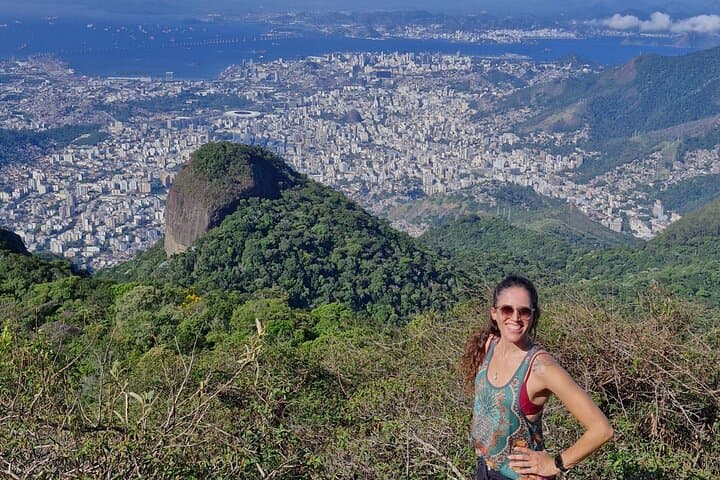
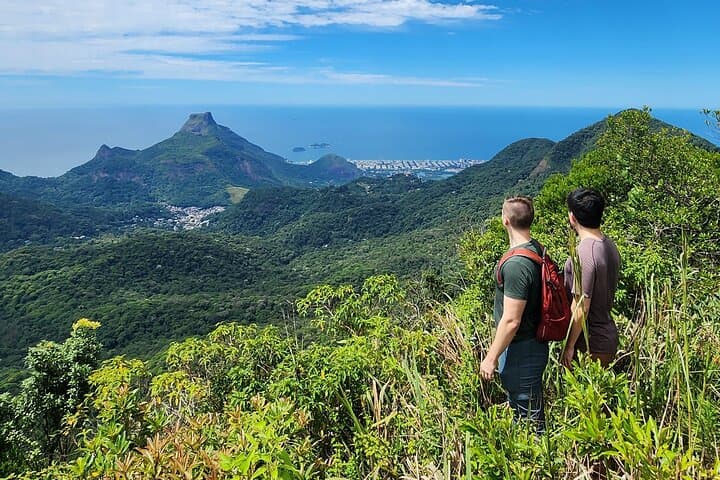
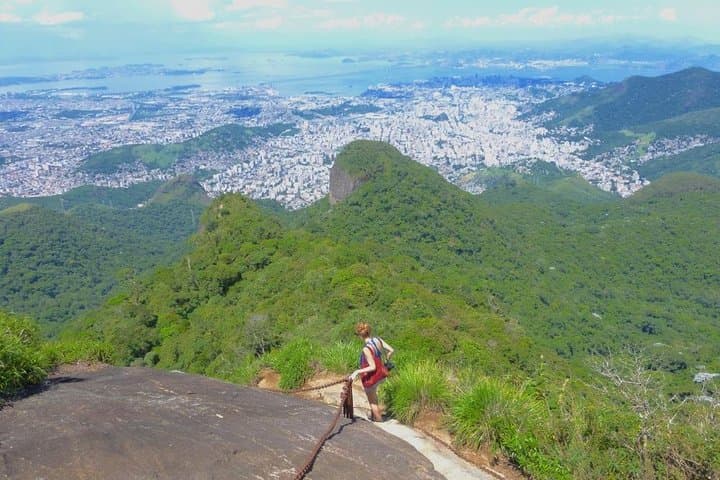
A narrow trail opens under a dripping canopy as the city’s roar fades behind you. Damp leaves release a green, earthy breath while the path climbs—stone steps, exposed roots and sudden clearings that frame the ocean and the ridgelines beyond. Rivers of light break through the Atlantic Forest and the Taunay and Baronesa waterfalls call you to cool the legs after the ascent.
Verified experiences and guided adventures in the surrounding area.
Operated by Rio Natural Ecotourism · Rio de Janeiro, Rio de Janeiro
A narrow trail opens under a dripping canopy as the city’s roar fades behind you. Damp leaves release a green, earthy breath while the path climbs—stone steps, exposed roots and sudden clearings that frame the ocean and the ridgelines beyond. Rivers of light break through the Atlantic Forest and the Taunay and Baronesa waterfalls call you to cool the legs after the ascent.
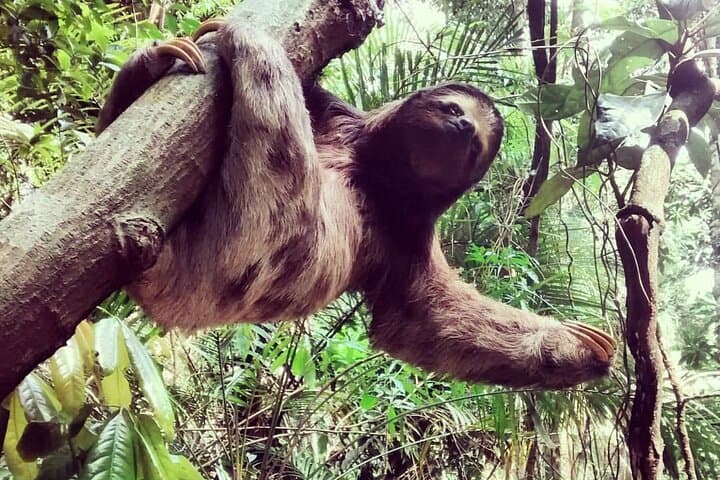
Tijuca National Park is one of the world’s largest urban forests and contains peaks carved from the Serra do Mar coastal massif—granite and gneiss outcrops that form abrupt summits like Pico da Tijuca (1,021 m). The forest you walk through was largely replanted in the 19th century to protect Rio’s watersheds; today the park mixes human history, park roads and wild corridors where marmosets and toucans move unseen. Cultural touchpoints—Vista Chinesa and Mirante das Canoas—offer classic Rio panoramas of bays, beaches and Corcovado.
On a guided half-day hike (5–6 hours door-to-door) expect steep sections, stone staircases and stretches of singletrack; the guide handles navigation and local context. Bring sturdy footwear, 1.5–2 L of water, sun protection and a swimsuit for a post-hike dip. Start early to avoid heat and weekend closures at some lookouts; check weather—summer storms can arrive fast. Respect trail closures, avoid feeding wildlife, and pack out any trash. The reward is a 360° summit view: the city, the ocean, and the forest you just climbed through, all pressing close together.
moderate.
5–6 hours (door-to-door; ~2–3 hours hiking).
Suitable for hikers with moderate fitness comfortable on steady climbs, stairs and uneven terrain.
The guided excursion is 5–6 hours total including transport; expect about 2–3 hours of hiking depending on group pace and stops.
The route is non-technical but moderately strenuous with steep stair sections and uneven rocky ground—no climbing gear required.
Yes, the tour often includes a stop at Baronesa or Taunay for a quick dip when conditions and park rules allow; follow the guide’s advice on safety.
This tour usually includes hotel pickup and drop-off in Rio; check your booking confirmation for specific pickup details and times.
The area includes reforested sections from 19th-century watershed restoration efforts; the park now protects a large swath of Atlantic Forest inside the city.
Tijuca is a protected national park—stay on trails, avoid feeding wildlife, and carry out all trash to minimize impact on this fragile urban forest.
Rio Natural Ecotourism operates guided outdoor trips and adventures with an emphasis on safety, stewardship, and memorable experiences.
A narrow trail opens under a dripping canopy as the city’s roar fades behind you. Damp leaves release a green, earthy breath while the path climbs—stone steps, exposed roots and sudden clearings that frame the ocean and the ridgelines beyond. Rivers of light break through the Atlantic Forest and the Taunay and Baronesa waterfalls call you to cool the legs after the ascent.
A narrow trail opens under a dripping canopy as the city’s roar fades behind you. Damp leaves release a green, earthy breath while the path climbs—stone steps, exposed roots and sudden clearings that frame the ocean and the ridgelines beyond. Rivers of light break through the Atlantic Forest and the Taunay and Baronesa waterfalls call you to cool the legs after the ascent.
Tijuca National Park is one of the world’s largest urban forests and contains peaks carved from the Serra do Mar coastal massif—granite and gneiss outcrops that form abrupt summits like Pico da Tijuca (1,021 m). The forest you walk through was largely replanted in the 19th century to protect Rio’s watersheds; today the park mixes human history, park roads and wild corridors where marmosets and toucans move unseen. Cultural touchpoints—Vista Chinesa and Mirante das Canoas—offer classic Rio panoramas of bays, beaches and Corcovado.
On a guided half-day hike (5–6 hours door-to-door) expect steep sections, stone staircases and stretches of singletrack; the guide handles navigation and local context. Bring sturdy footwear, 1.5–2 L of water, sun protection and a swimsuit for a post-hike dip. Start early to avoid heat and weekend closures at some lookouts; check weather—summer storms can arrive fast. Respect trail closures, avoid feeding wildlife, and pack out any trash. The reward is a 360° summit view: the city, the ocean, and the forest you just climbed through, all pressing close together.