THE ADVENTURE COLLECTIVE® · Independent discovery and booking for outdoor travel

Explore Rio’s vast urban rainforest on a 4–5 hour guided hike that mixes summit views, caves and waterfall swims. Small groups, local guides and varied terrain make this a practical half-day escape into Tijuca National Park.
Explore Rio’s vast urban rainforest on a 4–5 hour guided hike that mixes summit views, caves and waterfall swims. Small groups, local guides and varied terrain make this a practical half-day escape into Tijuca National Park.
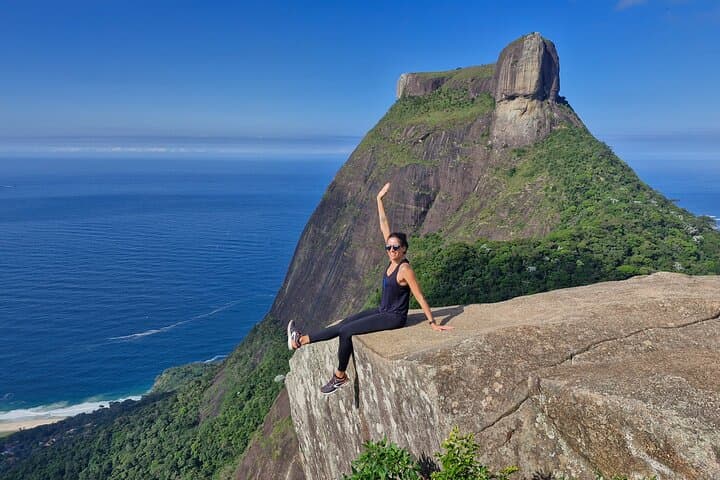
You step off the van into a wall of green — warm, humid air full of birdsong and the distant rumble of falling water. Trails climb through mossy boulders and fern-carved gullies; sunlight threads through the canopy and paints the leaf litter gold. Ahead, a short scramble delivers a panoramic sweep from Guanabara Bay to the sugar-white beaches of the city.
Verified experiences and guided adventures in the surrounding area.
Operated by Rio Natural Ecotourism · Rio de Janeiro, Rio de Janeiro
You step off the van into a wall of green — warm, humid air full of birdsong and the distant rumble of falling water. Trails climb through mossy boulders and fern-carved gullies; sunlight threads through the canopy and paints the leaf litter gold. Ahead, a short scramble delivers a panoramic sweep from Guanabara Bay to the sugar-white beaches of the city.
Tijuca National Park is one of the world’s largest urban forests, largely replanted in the 19th century to protect Rio’s water supply. The park’s geology is ancient granite and gneiss cut by vertical cliffs and pocketed caves where seasonal streams have hollowed the rock. Culturally, Tijuca has always been a weekend refuge for Cariocas — expect families, local guides, and small altars at some viewpoints.
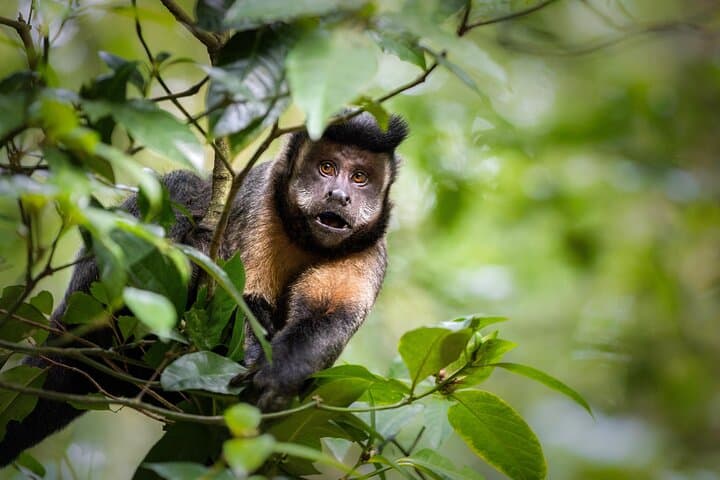
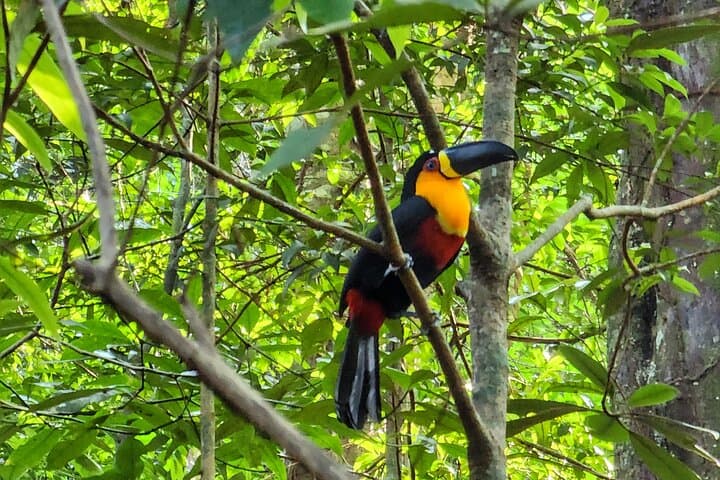
On this 4–5 hour circuit you’ll hit Pedra Bonita or an alternate summit, peer into sunlit caves, and cool off under a 40-meter waterfall. Guides point out toucans, marmosets and the shy coati, while explaining the park’s reforestation story and park rules that aim to preserve these slopes.
Practical notes: trails alternate between packed earth, roots and short rock scrambles; bring stable shoes and at least 1–1.5 liters of water. Midday is hot and humid — start early for clearer views and fewer people. Swim spots are refreshing but check depth and current before entering. Leave no trace, follow your guide, and plan for variable weather — a quick shower can make rocks slick but the forest only sharpens its scent and drama when wet.
moderate.
4–5 hours.
Suitable for people with regular activity; expect steady walking, short steep sections and some scrambling—basic stamina required.
Most routes on this tour are easy-to-moderate: steady walking with occasional short scrambles; no technical climbing or ropes required.
Yes, many groups include a swim stop; always check depth and follow your guide, as flows vary with recent rain.
Expect birds like toucans and small primates such as marmosets; coatis are also seen but usually keep their distance.
No specialized experience is required, but basic fitness and comfort on uneven ground are recommended for a full 4–5 hour day.
Tijuca was heavily deforested in colonial times and largely replanted in the 19th century to restore water supplies; much of today’s forest is the result of deliberate reforestation.
Visitors are asked to stay on marked trails, not feed wildlife and pack out trash; controlled group sizes help limit erosion and disturbance.
Rio Natural Ecotourism operates guided outdoor trips and adventures with an emphasis on safety, stewardship, and memorable experiences.

You step off the van into a wall of green — warm, humid air full of birdsong and the distant rumble of falling water. Trails climb through mossy boulders and fern-carved gullies; sunlight threads through the canopy and paints the leaf litter gold. Ahead, a short scramble delivers a panoramic sweep from Guanabara Bay to the sugar-white beaches of the city.
You step off the van into a wall of green — warm, humid air full of birdsong and the distant rumble of falling water. Trails climb through mossy boulders and fern-carved gullies; sunlight threads through the canopy and paints the leaf litter gold. Ahead, a short scramble delivers a panoramic sweep from Guanabara Bay to the sugar-white beaches of the city.
Tijuca National Park is one of the world’s largest urban forests, largely replanted in the 19th century to protect Rio’s water supply. The park’s geology is ancient granite and gneiss cut by vertical cliffs and pocketed caves where seasonal streams have hollowed the rock. Culturally, Tijuca has always been a weekend refuge for Cariocas — expect families, local guides, and small altars at some viewpoints.
On this 4–5 hour circuit you’ll hit Pedra Bonita or an alternate summit, peer into sunlit caves, and cool off under a 40-meter waterfall. Guides point out toucans, marmosets and the shy coati, while explaining the park’s reforestation story and park rules that aim to preserve these slopes.
Practical notes: trails alternate between packed earth, roots and short rock scrambles; bring stable shoes and at least 1–1.5 liters of water. Midday is hot and humid — start early for clearer views and fewer people. Swim spots are refreshing but check depth and current before entering. Leave no trace, follow your guide, and plan for variable weather — a quick shower can make rocks slick but the forest only sharpens its scent and drama when wet.