THE ADVENTURE COLLECTIVE® · Independent discovery and booking for outdoor travel

Explore Sector A of Tijuca National Park on a 6 km, 6-hour walk that reaches three caves and three waterfalls. Expect easy grades, frequent wildlife sightings (toucans, monkeys, coatis), and cool plunge pools ideal for hot days.
Explore Sector A of Tijuca National Park on a 6 km, 6-hour walk that reaches three caves and three waterfalls. Expect easy grades, frequent wildlife sightings (toucans, monkeys, coatis), and cool plunge pools ideal for hot days.
You push through a cool green doorway of Atlantic Forest and the city noise softens to a distant hum; sunlight threads between broad leaves and the trail smells of wet stone. The path leads past shallow streams that dare you to dip a hand, into three small caves hollowed from volcanic-era rock, and to three waterfalls where the pool invites a quick swim on a hot Rio afternoon.
Verified experiences and guided adventures in the surrounding area.
Operated by Be Adventure · Rio de Janeiro, Rio de Janeiro
You push through a cool green doorway of Atlantic Forest and the city noise softens to a distant hum; sunlight threads between broad leaves and the trail smells of wet stone. The path leads past shallow streams that dare you to dip a hand, into three small caves hollowed from volcanic-era rock, and to three waterfalls where the pool invites a quick swim on a hot Rio afternoon.
Tijuca National Park is one of the largest urban forests on earth, carved from 19th-century reforestation projects and older volcanic geology. Sector A—this tour’s focus—has limestone and gneiss outcrops, stepping-stones of moss and fern, and a cultural history tied to Rio’s efforts to reclaim and protect its water sources and green spaces. Expect to share the corridor with toucans calling like punctuation, curious squirrel-like marmosets, coatis at the trail edge and, if you're patient, the slow blink of a sloth tucked high above.
Practical facts: the route covers about 6 km over mostly gentle grades with a few short climbs, spread across roughly 6 hours including multiple rest stops. Trails are well-trodden but can be slick after rain; footwear with grip is recommended. The itinerary includes vehicle pickup in an air-conditioned van and groups are small (up to six people), which helps wildlife sightings and keeps the pace relaxed.
Bring a refillable water bottle, swimwear for waterfall pools, and a light rain layer. Keep cameras ready but maintain distance from wildlife—feeding animals is prohibited. Aim for morning departures to beat the heat and to catch the forest at its most active.
easy.
6 hours.
Suitable for most people who can walk 6 km with intermittent stops; some short uphill sections require moderate mobility.
Yes—it's family-friendly and rated physically easy; infants must sit on a lap and small groups make pacing manageable.
Monkeys and toucans are frequently seen, but wildlife sightings can't be guaranteed; mornings increase success rates.
Facilities are limited in the forest; use restrooms at the meeting point and plan accordingly for the trail portion.
The tour operates in light rain but may be altered or canceled for safety in severe weather; check cancellation policy for refunds.
Tijuca was largely reforested in the 19th century to protect Rio’s water supply and reclaimed land that had been cleared for coffee plantations; many paths follow old water channels and service roads.
Park authorities limit group sizes and discourage feeding wildlife to protect natural behavior; visitors are asked to carry out trash and stick to marked trails to prevent erosion.
Be Adventure operates guided outdoor trips and adventures with an emphasis on safety, stewardship, and memorable experiences.
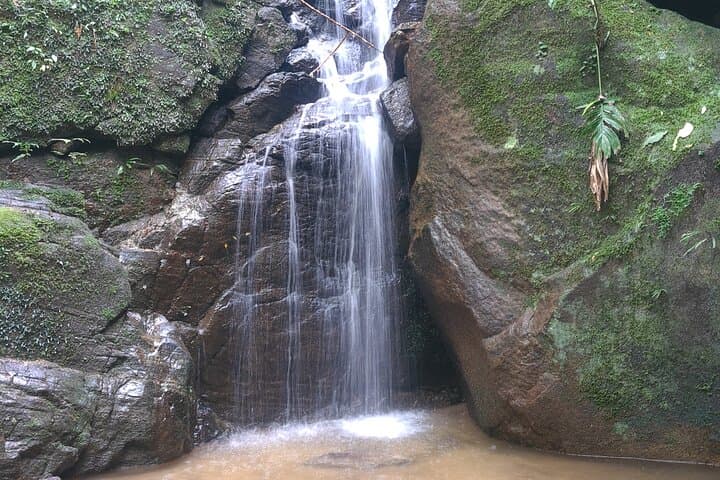

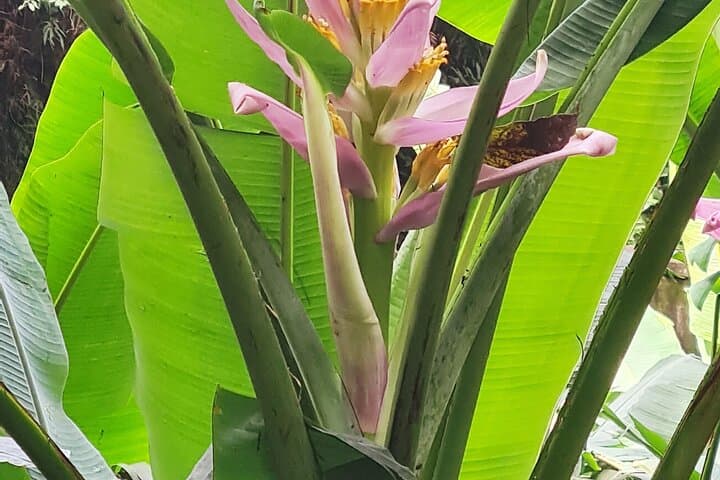
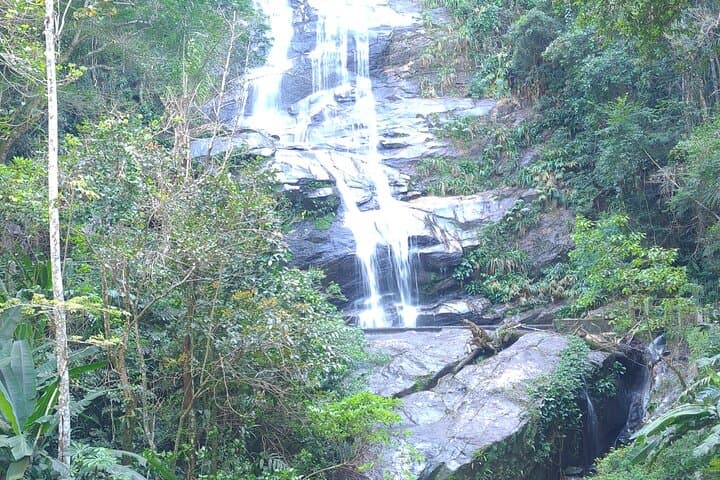
You push through a cool green doorway of Atlantic Forest and the city noise softens to a distant hum; sunlight threads between broad leaves and the trail smells of wet stone. The path leads past shallow streams that dare you to dip a hand, into three small caves hollowed from volcanic-era rock, and to three waterfalls where the pool invites a quick swim on a hot Rio afternoon.
You push through a cool green doorway of Atlantic Forest and the city noise softens to a distant hum; sunlight threads between broad leaves and the trail smells of wet stone. The path leads past shallow streams that dare you to dip a hand, into three small caves hollowed from volcanic-era rock, and to three waterfalls where the pool invites a quick swim on a hot Rio afternoon.
Tijuca National Park is one of the largest urban forests on earth, carved from 19th-century reforestation projects and older volcanic geology. Sector A—this tour’s focus—has limestone and gneiss outcrops, stepping-stones of moss and fern, and a cultural history tied to Rio’s efforts to reclaim and protect its water sources and green spaces. Expect to share the corridor with toucans calling like punctuation, curious squirrel-like marmosets, coatis at the trail edge and, if you're patient, the slow blink of a sloth tucked high above.
Practical facts: the route covers about 6 km over mostly gentle grades with a few short climbs, spread across roughly 6 hours including multiple rest stops. Trails are well-trodden but can be slick after rain; footwear with grip is recommended. The itinerary includes vehicle pickup in an air-conditioned van and groups are small (up to six people), which helps wildlife sightings and keeps the pace relaxed.
Bring a refillable water bottle, swimwear for waterfall pools, and a light rain layer. Keep cameras ready but maintain distance from wildlife—feeding animals is prohibited. Aim for morning departures to beat the heat and to catch the forest at its most active.