THE ADVENTURE COLLECTIVE® · Independent discovery and booking for outdoor travel

Drive into Tijuca National Park by 4x4 and trade city streets for forest tracks, waterfalls, and panoramic viewpoints. This guided Jeep tour pairs short hikes and a swim spot with local natural history and easy access for urban travelers.
Drive into Tijuca National Park by 4x4 and trade city streets for forest tracks, waterfalls, and panoramic viewpoints. This guided Jeep tour pairs short hikes and a swim spot with local natural history and easy access for urban travelers.
A dusty trail opens through deep green—jeeps bump along a hillside road and the city below unfolds between palms and rock.
Verified experiences and guided adventures in the surrounding area.
Operated by Bambui Tour · Rio de Janeiro, Rio de Janeiro
A dusty trail opens through deep green—jeeps bump along a hillside road and the city below unfolds between palms and rock.
This 4x4 Jeep Jungle Tour drives straight into Tijuca National Park, the largest urban Atlantic Forest in the world. The ride moves from paved outlooks to textured forest tracks, pausing at viewpoints where granite ridges and city rooftops meet. You’ll walk short forest paths, hear the waterfall’s voice before you see it, and—if temperatures allow—slip into the Taunay lagoon where water cools skin and resets pace.
Tijuca’s forest is regrown rainforest: 19th-century reforestation efforts reclaimed coffee and pasture land and turned it into the protected park visitors explore today. Geologically, the park is carved from ancient granite and gneiss outcrops; trails sweep around steep inclines and natural amphitheaters. Culturally, the park is woven into Rio’s urban life—locals picnic at lookout points and guides share stories of early conservation and city folklore.
Expect mixed terrain: jeep tracks, short rocky steps, and shaded singletrack. Bring insect repellent and a towel for the waterfall; footwear should handle mud and wet rock. Timing matters—mornings have cooler air and less traffic noise, afternoons can be humid and busier. Guides explain flora, point out howler monkeys or toucans, and tailor stops to conditions and access rules (some viewpoints are weekday-only).
Practically: moderate fitness and comfortable mobility are required for short walks and stepping in and out of vehicles. Water, sun protection, and layered sport clothes keep you ready for sudden showers and sunbreaks. The park asks visitors to follow leave-no-trace habits—pack out what you bring in and respect posted signs.
moderate.
4 hours.
Moderate — able to step in/out of a vehicle, walk short uneven forest trails, and stand at viewpoints for 10–30 minutes.
Tours typically ask for a pickup point in Rio—confirm your pickup location during booking and expect timing to vary with local traffic.
Yes, Taunay waterfall has a natural lagoon where swimming is possible; bring swimwear and a towel, but follow guide instructions and current safety conditions.
Children are allowed but must be accompanied by an adult; specialized infant seats are available—check age and safety requirements when booking.
The tour involves stepping in and out of jeeps and walking on uneven ground; it’s not recommended for travelers with significant mobility limitations or spinal issues.
Tijuca was replanted in the 19th century after deforestation; the park’s reforestation is an early Brazilian conservation achievement that preserved water supplies for the city.
The park is managed to protect biodiversity and watershed health; visitors are asked to stay on paths, not feed wildlife, and carry out trash to reduce human impact.
Bambui Tour operates guided outdoor trips and adventures with an emphasis on safety, stewardship, and memorable experiences.
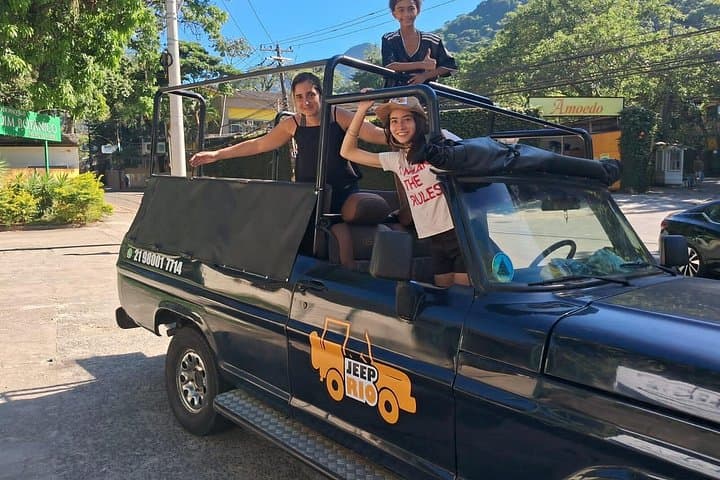
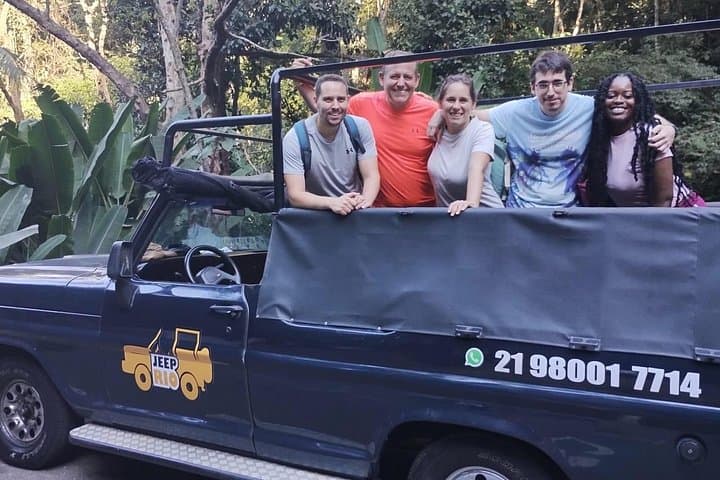

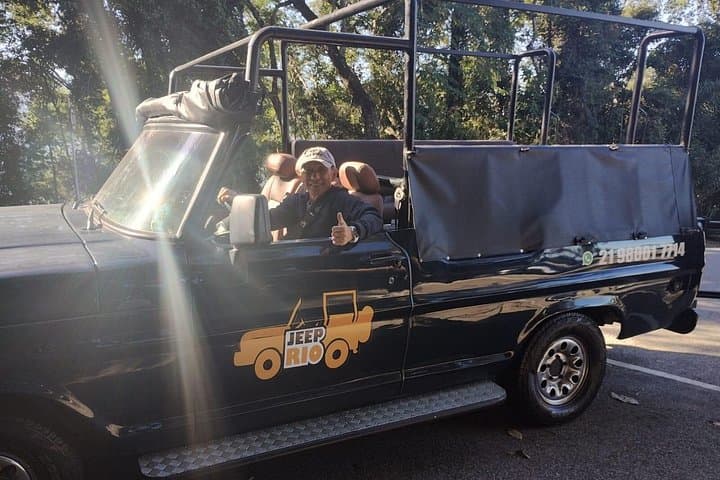
A dusty trail opens through deep green—jeeps bump along a hillside road and the city below unfolds between palms and rock.
A dusty trail opens through deep green—jeeps bump along a hillside road and the city below unfolds between palms and rock.
This 4x4 Jeep Jungle Tour drives straight into Tijuca National Park, the largest urban Atlantic Forest in the world. The ride moves from paved outlooks to textured forest tracks, pausing at viewpoints where granite ridges and city rooftops meet. You’ll walk short forest paths, hear the waterfall’s voice before you see it, and—if temperatures allow—slip into the Taunay lagoon where water cools skin and resets pace.
Tijuca’s forest is regrown rainforest: 19th-century reforestation efforts reclaimed coffee and pasture land and turned it into the protected park visitors explore today. Geologically, the park is carved from ancient granite and gneiss outcrops; trails sweep around steep inclines and natural amphitheaters. Culturally, the park is woven into Rio’s urban life—locals picnic at lookout points and guides share stories of early conservation and city folklore.
Expect mixed terrain: jeep tracks, short rocky steps, and shaded singletrack. Bring insect repellent and a towel for the waterfall; footwear should handle mud and wet rock. Timing matters—mornings have cooler air and less traffic noise, afternoons can be humid and busier. Guides explain flora, point out howler monkeys or toucans, and tailor stops to conditions and access rules (some viewpoints are weekday-only).
Practically: moderate fitness and comfortable mobility are required for short walks and stepping in and out of vehicles. Water, sun protection, and layered sport clothes keep you ready for sudden showers and sunbreaks. The park asks visitors to follow leave-no-trace habits—pack out what you bring in and respect posted signs.