THE ADVENTURE COLLECTIVE® · Independent discovery and booking for outdoor travel

Spend a day sailing from Buenos Aires into the Paraná Delta: panoramic Río de la Plata views, a guided river passage through five delta channels, and a three-course lunch at Tigre. Ideal for travelers who want a relaxed nature-and-culture river experience.
Spend a day sailing from Buenos Aires into the Paraná Delta: panoramic Río de la Plata views, a guided river passage through five delta channels, and a three-course lunch at Tigre. Ideal for travelers who want a relaxed nature-and-culture river experience.
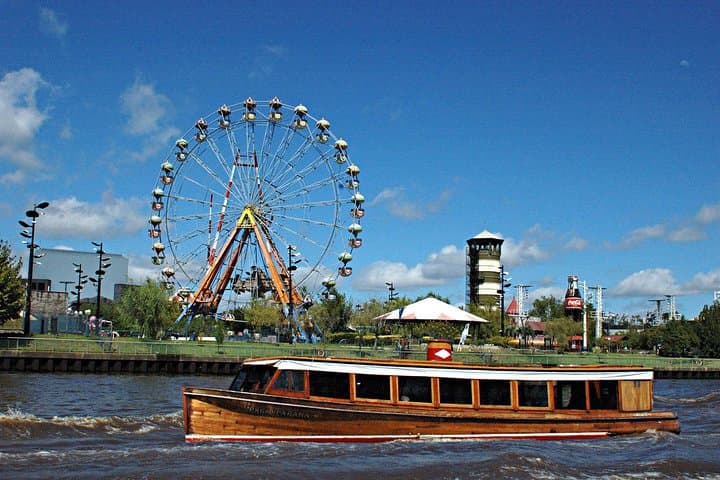
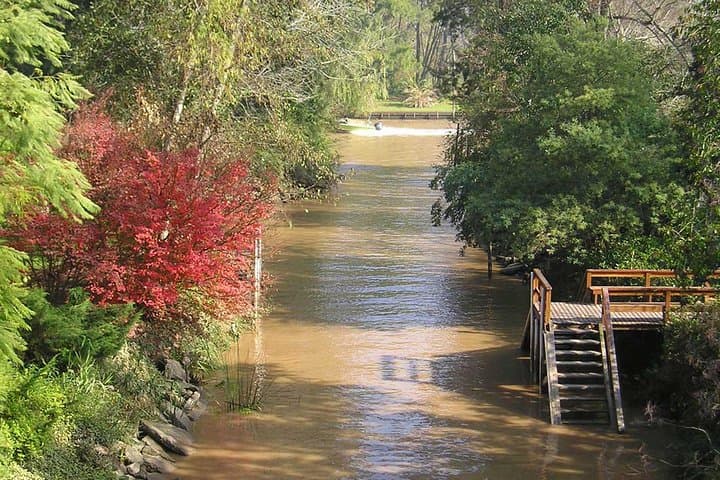
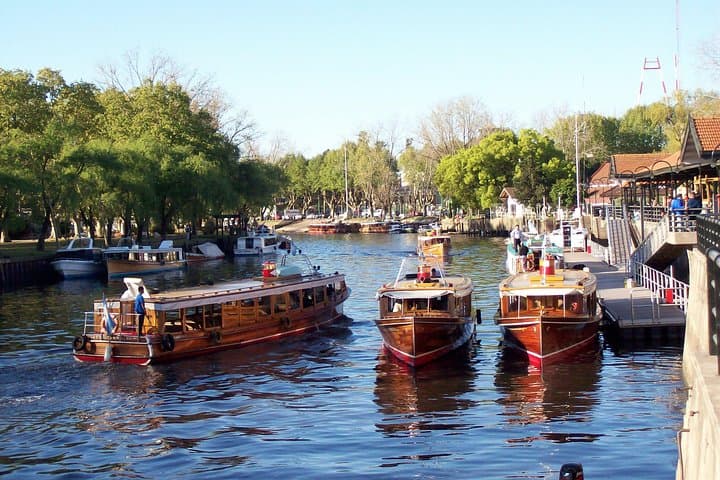
You push off from a teak-finished dock as the Buenos Aires skyline slips into the river haze — the Río de la Plata broad and low, daring you to lean toward the bow. The boat hums forward, city façades giving way to reed-lined channels and the stitchwork of wooden houses on stilts. Water moves here with intent: currents that guided early trade, and narrow fingers of the Paraná Delta that thread inland like green veins.
Verified experiences and guided adventures in the surrounding area.
Operated by Gray Line Argentina · Tigre, Buenos Aires
You push off from a teak-finished dock as the Buenos Aires skyline slips into the river haze — the Río de la Plata broad and low, daring you to lean toward the bow. The boat hums forward, city façades giving way to reed-lined channels and the stitchwork of wooden houses on stilts. Water moves here with intent: currents that guided early trade, and narrow fingers of the Paraná Delta that thread inland like green veins.
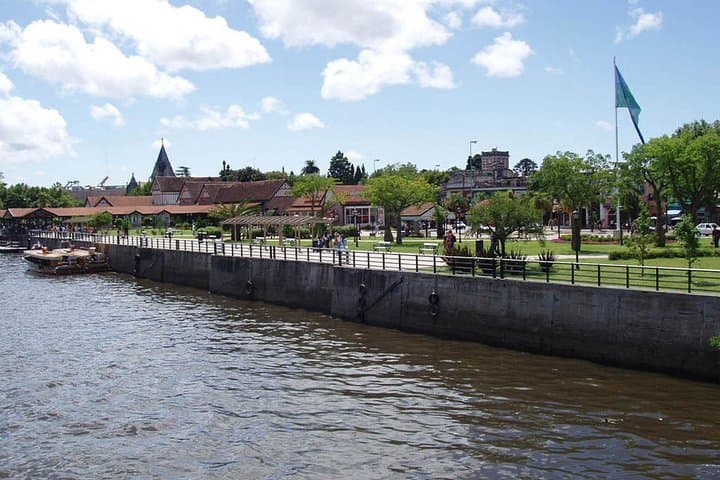
This stretch of the Paraná Delta has long been a crossroads of gauchos, boatmen and immigrant gardeners; El Puerto de Frutos began as a landing for fruit shipments bound for the capital. Geologically, the delta is recent — alluvial sediments building islands and mudflats that shift with seasonal floods. Local life—rowers in San Fernando, artisans in Tigre—still orbits the waterways, and the architecture leans utilitarian: boathouses, modest catwalks, a cathedral silhouette on the shore.
Expect two hours of panoramic navigation on the Río de la Plata, then a winding passage through five principal rivers — San Antonio, Capitán Sarmiento, Luján and others — before a one-hour closer look inside the Delta. A three-course lunch follows at a riverfront restaurant.
Practical tips: bring sun protection and a light wind layer for open-deck stretches; motion-sensitive travelers should carry remedies for boat motion; expect mostly seated transit with short onshore stops; plan hotel logistics in Buenos Aires where the transfer begins and ends. The route is easy on fitness but rewarding for anyone who wants to see suburban Buenos Aires dissolve into a living, watery landscape.
easy.
9 hours.
Suitable for most fitness levels — mostly seated boat time with brief onshore walks.
The full experience runs about nine hours, including navigation, a one-hour Delta boat segment, and a three-course lunch.
Yes—infants must sit on an adult’s lap; the tour is rated easy and family-friendly.
No — the three-course lunch is provided without drinks, which are available to purchase separately.
The tour involves boarding a boat and some movement between docks; it’s generally suitable for those with limited mobility but check with the operator for specific accommodations.
Tigre became an export hub for delta fruit in the 19th–20th centuries; its riverways shaped trade and recreational rowing culture across Greater Buenos Aires.
The delta is ecologically fragile — avoid littering, keep to marked channels and respect private isla (island) properties to reduce erosion and disturbance.
Gray Line Argentina operates guided outdoor trips and adventures with an emphasis on safety, stewardship, and memorable experiences.
You push off from a teak-finished dock as the Buenos Aires skyline slips into the river haze — the Río de la Plata broad and low, daring you to lean toward the bow. The boat hums forward, city façades giving way to reed-lined channels and the stitchwork of wooden houses on stilts. Water moves here with intent: currents that guided early trade, and narrow fingers of the Paraná Delta that thread inland like green veins.
You push off from a teak-finished dock as the Buenos Aires skyline slips into the river haze — the Río de la Plata broad and low, daring you to lean toward the bow. The boat hums forward, city façades giving way to reed-lined channels and the stitchwork of wooden houses on stilts. Water moves here with intent: currents that guided early trade, and narrow fingers of the Paraná Delta that thread inland like green veins.
This stretch of the Paraná Delta has long been a crossroads of gauchos, boatmen and immigrant gardeners; El Puerto de Frutos began as a landing for fruit shipments bound for the capital. Geologically, the delta is recent — alluvial sediments building islands and mudflats that shift with seasonal floods. Local life—rowers in San Fernando, artisans in Tigre—still orbits the waterways, and the architecture leans utilitarian: boathouses, modest catwalks, a cathedral silhouette on the shore.
Expect two hours of panoramic navigation on the Río de la Plata, then a winding passage through five principal rivers — San Antonio, Capitán Sarmiento, Luján and others — before a one-hour closer look inside the Delta. A three-course lunch follows at a riverfront restaurant.
Practical tips: bring sun protection and a light wind layer for open-deck stretches; motion-sensitive travelers should carry remedies for boat motion; expect mostly seated transit with short onshore stops; plan hotel logistics in Buenos Aires where the transfer begins and ends. The route is easy on fitness but rewarding for anyone who wants to see suburban Buenos Aires dissolve into a living, watery landscape.