THE ADVENTURE COLLECTIVE® · Independent discovery and booking for outdoor travel

This four-day Golden Triangle loop pairs the Taj Mahal and Jaipur’s hill forts with early-morning safaris in Jhalana and Sariska. Expect long drives, early starts, shared safari vehicles and a mix of Mughal and Rajput history alongside possible leopard and tiger encounters.
This four-day Golden Triangle loop pairs the Taj Mahal and Jaipur’s hill forts with early-morning safaris in Jhalana and Sariska. Expect long drives, early starts, shared safari vehicles and a mix of Mughal and Rajput history alongside possible leopard and tiger encounters.
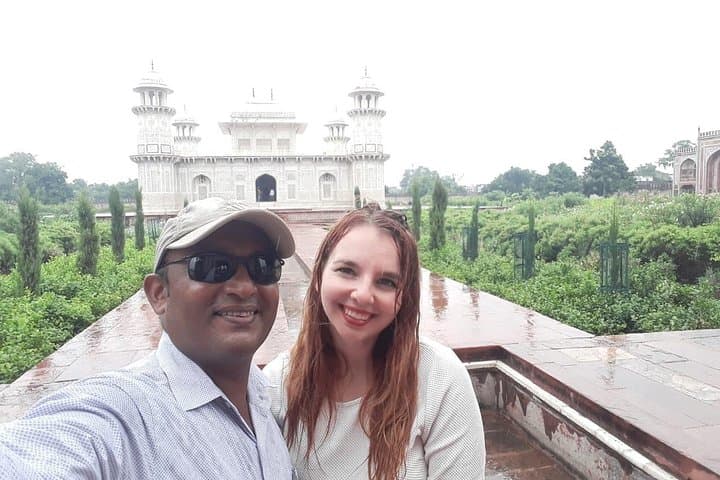
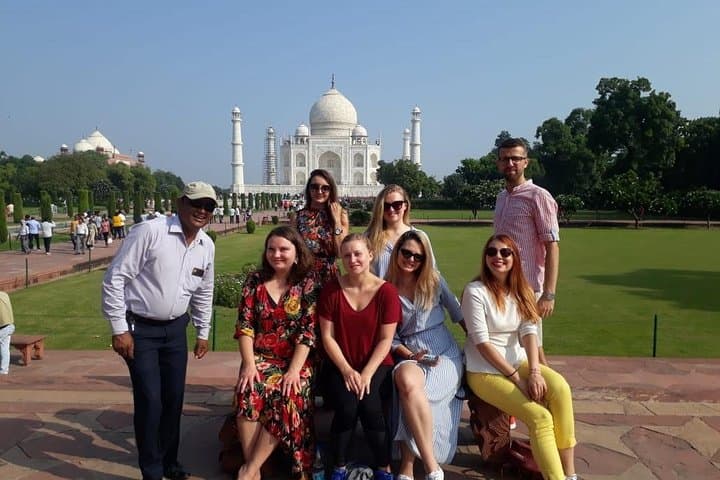
Morning light on the Yamuna picks out the Taj’s white face as buses empty and the day begins — that collision of history and wild country is the spine of this four-day circuit. Travelers move from Delhi’s imperial avenues to Agra’s marble hush, then onward to Jaipur’s ramparts, finishing with jeep safaris in Jhalana and Sariska where scrub forest and rocky ridgelines feel alive with movement.
Verified experiences and guided adventures in the surrounding area.
Operated by Padma Holidays · New Delhi, Delhi
Morning light on the Yamuna picks out the Taj’s white face as buses empty and the day begins — that collision of history and wild country is the spine of this four-day circuit. Travelers move from Delhi’s imperial avenues to Agra’s marble hush, then onward to Jaipur’s ramparts, finishing with jeep safaris in Jhalana and Sariska where scrub forest and rocky ridgelines feel alive with movement.
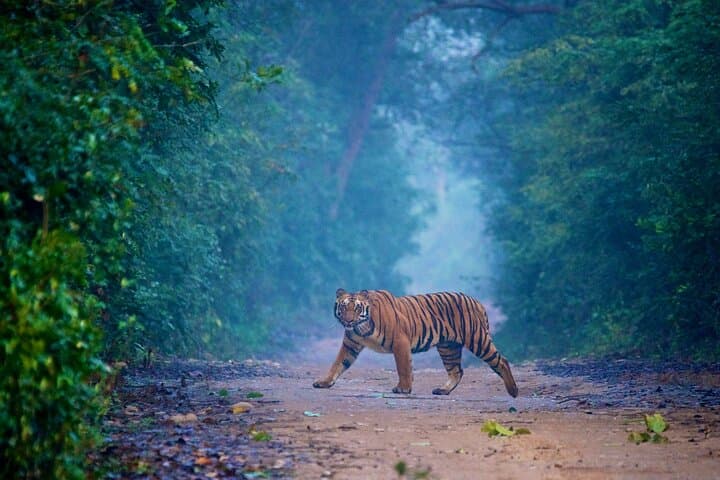
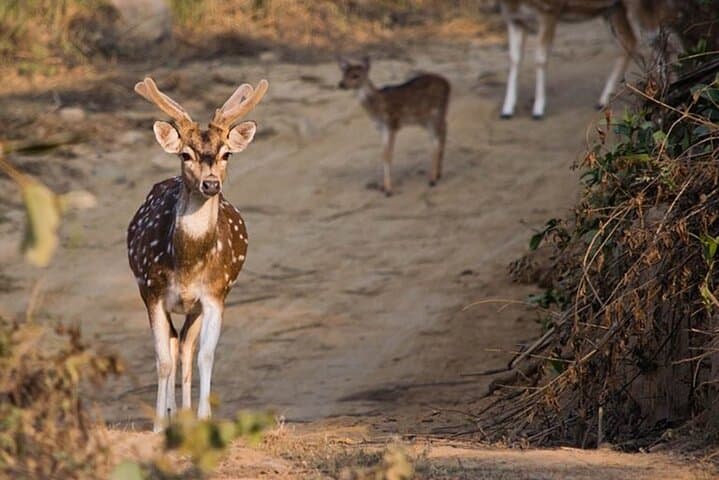
The route threads Mughal tombs and Rajput forts — Humayun’s Tomb and Qutub Minar in Delhi, the Taj Mahal and Agra Fort, Amber and City Palace in Jaipur — all built on centuries of imperial trade, stonecraft and local marble and sandstone geology that shaped their forms and colors. Jhalana’s granite outcrops and Sariska’s dry deciduous forest sit on the Aravalli fringe, terrain that supports leopards, striped hyenas and, when luck permits, Bengal tigers.
Culturally, the trip is part pilgrimage, part naturalist outing: bazaars and spice-scented streets contrast with the quiet protocol of a forest-edge safari. Guides are appointed by forest authorities for safaris and sightings cannot be guaranteed; parks reserve the right to close or cancel for weather, and Sariska is closed on Wednesdays.
Practical notes: expect long drives (3–5 hours between cities), early safari starts, shared jeeps or canters, and hotel stays (4-star options with the tour package). Bring neutral clothing, binoculars, photocopies of travel documents and cash for small purchases. Arrive 20 minutes before safari boarding and follow ranger instructions — safety and respect for wildlife preserve the chance to witness these landscapes at their best.
easy.
4 days (approx. 96 hours).
Suitable for travelers in general good health; expect short walks at monuments and early-morning safaris with some standing.
No — sightings depend on animal movement. The operator books best-available zones and rangers guide safaris, but wildlife encounters cannot be guaranteed.
Safaris run in shared jeeps or canters provided by the park; vehicle type depends on park allocation and group size.
With the tour option, typically included: private transport between cities, 3 nights in a 4-star hotel, daily breakfast, monument entry (as listed), safari permits, an English-speaking guide and bottled water on board.
Yes — Sariska is closed on Wednesdays and parks can cancel safaris due to bad weather or natural events; always confirm local schedules before travel.
The route traces Mughal-era architecture in Agra and Delhi and Rajput fortifications in Jaipur, reflecting centuries of regional power, stone craftsmanship and trade along the Gangetic and Aravalli corridors.
Sariska and Jhalana operate under India’s protected-area framework focused on tiger conservation and habitat restoration; visitors are asked to minimize noise, avoid littering and follow all park rules to reduce human-wildlife conflict.
Padma Holidays operates guided outdoor trips and adventures with an emphasis on safety, stewardship, and memorable experiences.
Morning light on the Yamuna picks out the Taj’s white face as buses empty and the day begins — that collision of history and wild country is the spine of this four-day circuit. Travelers move from Delhi’s imperial avenues to Agra’s marble hush, then onward to Jaipur’s ramparts, finishing with jeep safaris in Jhalana and Sariska where scrub forest and rocky ridgelines feel alive with movement.
Morning light on the Yamuna picks out the Taj’s white face as buses empty and the day begins — that collision of history and wild country is the spine of this four-day circuit. Travelers move from Delhi’s imperial avenues to Agra’s marble hush, then onward to Jaipur’s ramparts, finishing with jeep safaris in Jhalana and Sariska where scrub forest and rocky ridgelines feel alive with movement.
The route threads Mughal tombs and Rajput forts — Humayun’s Tomb and Qutub Minar in Delhi, the Taj Mahal and Agra Fort, Amber and City Palace in Jaipur — all built on centuries of imperial trade, stonecraft and local marble and sandstone geology that shaped their forms and colors. Jhalana’s granite outcrops and Sariska’s dry deciduous forest sit on the Aravalli fringe, terrain that supports leopards, striped hyenas and, when luck permits, Bengal tigers.
Culturally, the trip is part pilgrimage, part naturalist outing: bazaars and spice-scented streets contrast with the quiet protocol of a forest-edge safari. Guides are appointed by forest authorities for safaris and sightings cannot be guaranteed; parks reserve the right to close or cancel for weather, and Sariska is closed on Wednesdays.
Practical notes: expect long drives (3–5 hours between cities), early safari starts, shared jeeps or canters, and hotel stays (4-star options with the tour package). Bring neutral clothing, binoculars, photocopies of travel documents and cash for small purchases. Arrive 20 minutes before safari boarding and follow ranger instructions — safety and respect for wildlife preserve the chance to witness these landscapes at their best.