THE ADVENTURE COLLECTIVE® · Independent discovery and booking for outdoor travel

An eight-day circuit through Pench and Satpura’s tiger country followed by Bhopal’s UNESCO-studded archaeology—this private tour pairs gypsy safaris with visits to Sanchi, Bhimbetka and Udayagiri for a compact wildlife and heritage experience.
An eight-day circuit through Pench and Satpura’s tiger country followed by Bhopal’s UNESCO-studded archaeology—this private tour pairs gypsy safaris with visits to Sanchi, Bhimbetka and Udayagiri for a compact wildlife and heritage experience.
You step out of the air-conditioned car as the early light strips the horizon; the forest exhales a humid, leaf-scented breath and a distant alarm call slices the quiet. On day one this is Pench—dry riverbeds, low ridges and teak stands that hide deer and tiger in equal measure. The trip moves with that same rhythm: rapid drives between parks and slow, patient hours in a gypsy jeep, watching a naturalist read spoor and shadow like a second language.
Verified experiences and guided adventures in the surrounding area.
Operated by Agora Voyages Pvt. Ltd. · Nagpur, Maharashtra
You step out of the air-conditioned car as the early light strips the horizon; the forest exhales a humid, leaf-scented breath and a distant alarm call slices the quiet. On day one this is Pench—dry riverbeds, low ridges and teak stands that hide deer and tiger in equal measure. The trip moves with that same rhythm: rapid drives between parks and slow, patient hours in a gypsy jeep, watching a naturalist read spoor and shadow like a second language.
Pench and Satpura are the ecological anchors of this itinerary. Pench’s dry deciduous plains and meandering watercourses give way to Satpura’s rugged ridgelines and dense sal forests—habitats that support Bengal tiger, leopard, sloth bear and the elusive four-horned antelope. The route then pivots to Bhopal, where Sanchi’s hemispherical stupas (3rd century BCE origins) and the Udayagiri rock-cut panels (Gupta-period sculpture) shift the focus from fauna to human history. Bhimbetka’s Paleolithic rock shelters and Bhojpur’s monolithic Shiva linga add prehistoric and medieval chapters to a single trip.
Geology and culture sit side-by-side here: Vindhya scarps frame ancient trade routes and sandstone outcrops provided the canvases for millennia of carving. Local communities—farmers, forest-side guides, and temple keepers—offer practical knowledge about seasons, animal movements, and the layered history of central India. Expect conversations about monsoon cycles, traditional medicinal trees like mahua and bel, and the ongoing work of forest departments to balance tourism with protection.
Practical guidance: the program runs eight days with five jeep safaris led by licensed forest naturalists; drives are substantial—Nagpur to Pench ~100 km (2 hrs), Pench to Satpura ~225 km (5 hrs), Satpura to Bhopal ~200 km (4 hrs). Morning safaris (before 9 am) and late afternoons are the best windows for sightings. Jeep safaris are subject to availability and, once booked, are non-amendable per supplier policy.
Plan clothing and timing around the climate: autumn to late winter (October–March) offers clear skies and cooler temperatures for wildlife viewing; monsoon months make forest tracks slippery and many archaeological sites damp. Bring sturdy walking shoes for short trails and site visits, a light layer for early starts, sun protection, and a reusable water bottle. Travelers should respect park rules—stay with guides, avoid flash photography of wildlife, and carry only permitted items into reserves.
This itinerary balances high-adrenaline animal tracking with slow, deliberate encounters with India’s deep past—days spent watching a tiger silhouette at a distance and afternoons among stupas carved long before the region’s modern borders were drawn.
moderate.
8 days.
Light to moderate fitness: able to endure multi-hour jeep safaris, short walks at archaeological sites, and a few long drives.
The itinerary includes five jeep safaris in national parks, each led by a licensed forest naturalist; safari slots are limited and confirmed at booking.
October through March gives cooler mornings and clearer conditions; increased visibility and waterhole concentration improve sighting chances.
Yes—entrance fees for the monuments and sites listed in the itinerary are included as specified in the supplier inclusions.
Park entry and jeep permits are managed by the tour operator and local authorities as part of the safari bookings; travelers should carry ID for verification.
Most cultural stops involve short walks on uneven ground and steps; they are suitable for moderate mobility but not recommended for travelers who cannot handle short stair climbs.
Yes—it's listed as stroller-accessible and suitable for all fitness levels, though early starts and long drives may be challenging for very young children.
Sanchi’s principal stupa dates to the 3rd century BCE under Ashokan patronage, while Bhimbetka’s rock shelters contain Paleolithic paintings up to tens of thousands of years old.
Both parks operate under active forest department management; responsible tourism—staying on tracks, following guide instructions, and minimizing noise—helps reduce disturbance to sensitive species.
Agora Voyages Pvt. Ltd. operates guided outdoor trips and adventures with an emphasis on safety, stewardship, and memorable experiences.


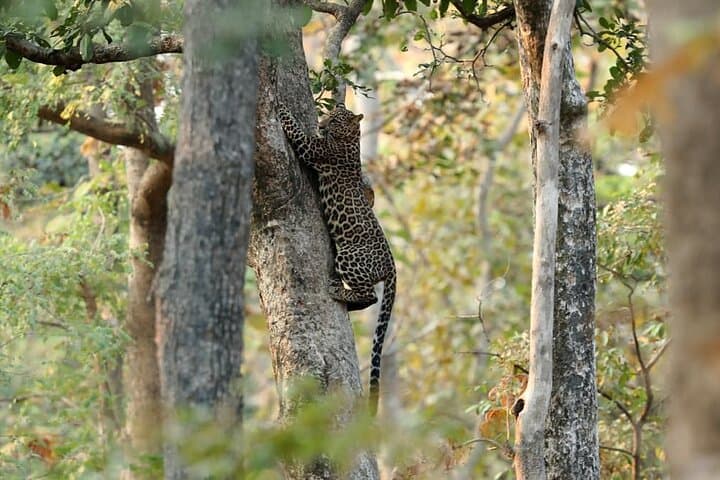
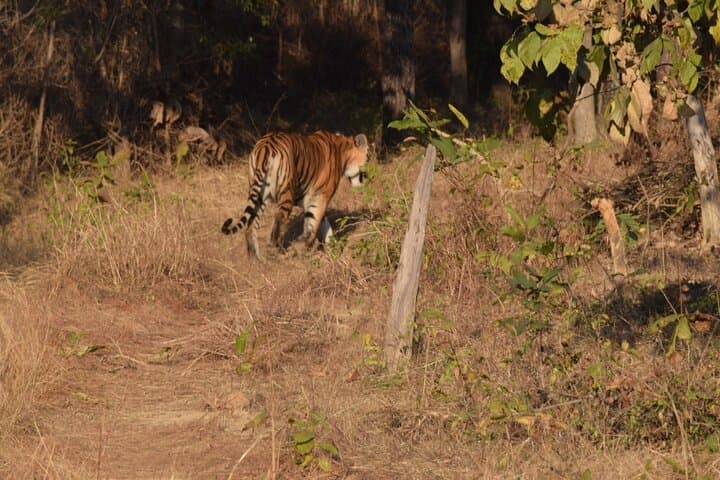
You step out of the air-conditioned car as the early light strips the horizon; the forest exhales a humid, leaf-scented breath and a distant alarm call slices the quiet. On day one this is Pench—dry riverbeds, low ridges and teak stands that hide deer and tiger in equal measure. The trip moves with that same rhythm: rapid drives between parks and slow, patient hours in a gypsy jeep, watching a naturalist read spoor and shadow like a second language.
You step out of the air-conditioned car as the early light strips the horizon; the forest exhales a humid, leaf-scented breath and a distant alarm call slices the quiet. On day one this is Pench—dry riverbeds, low ridges and teak stands that hide deer and tiger in equal measure. The trip moves with that same rhythm: rapid drives between parks and slow, patient hours in a gypsy jeep, watching a naturalist read spoor and shadow like a second language.
Pench and Satpura are the ecological anchors of this itinerary. Pench’s dry deciduous plains and meandering watercourses give way to Satpura’s rugged ridgelines and dense sal forests—habitats that support Bengal tiger, leopard, sloth bear and the elusive four-horned antelope. The route then pivots to Bhopal, where Sanchi’s hemispherical stupas (3rd century BCE origins) and the Udayagiri rock-cut panels (Gupta-period sculpture) shift the focus from fauna to human history. Bhimbetka’s Paleolithic rock shelters and Bhojpur’s monolithic Shiva linga add prehistoric and medieval chapters to a single trip.
Geology and culture sit side-by-side here: Vindhya scarps frame ancient trade routes and sandstone outcrops provided the canvases for millennia of carving. Local communities—farmers, forest-side guides, and temple keepers—offer practical knowledge about seasons, animal movements, and the layered history of central India. Expect conversations about monsoon cycles, traditional medicinal trees like mahua and bel, and the ongoing work of forest departments to balance tourism with protection.
Practical guidance: the program runs eight days with five jeep safaris led by licensed forest naturalists; drives are substantial—Nagpur to Pench ~100 km (2 hrs), Pench to Satpura ~225 km (5 hrs), Satpura to Bhopal ~200 km (4 hrs). Morning safaris (before 9 am) and late afternoons are the best windows for sightings. Jeep safaris are subject to availability and, once booked, are non-amendable per supplier policy.
Plan clothing and timing around the climate: autumn to late winter (October–March) offers clear skies and cooler temperatures for wildlife viewing; monsoon months make forest tracks slippery and many archaeological sites damp. Bring sturdy walking shoes for short trails and site visits, a light layer for early starts, sun protection, and a reusable water bottle. Travelers should respect park rules—stay with guides, avoid flash photography of wildlife, and carry only permitted items into reserves.
This itinerary balances high-adrenaline animal tracking with slow, deliberate encounters with India’s deep past—days spent watching a tiger silhouette at a distance and afternoons among stupas carved long before the region’s modern borders were drawn.