THE ADVENTURE COLLECTIVE® · Independent discovery and booking for outdoor travel

A focused two‑day hike from Shangri‑La to Lijiang that follows the high trail of Tiger Leaping Gorge. Expect steep switchbacks, river vistas, simple guesthouses, and two days of concentrated alpine walking.
A focused two‑day hike from Shangri‑La to Lijiang that follows the high trail of Tiger Leaping Gorge. Expect steep switchbacks, river vistas, simple guesthouses, and two days of concentrated alpine walking.
A cold mountain road unfurls out of Shangri‑La, the vehicle hugging switchbacks as alpine meadows give way to cliffs. By midmorning the valley narrows and the Jinsha (Upper Yangtze) River roars below; the trailhead at Qiaotou begins with a steep set of bends that test legs and breath. Hikers move deliberately here—past Naxi family guesthouses, across terraces, and up the so‑called 28 bends—until the first day finishes on a wooden deck facing Yulong Snow Mountain.
Verified experiences and guided adventures in the surrounding area.
Operated by happychinatours · Lijiang, Yunnan
A cold mountain road unfurls out of Shangri‑La, the vehicle hugging switchbacks as alpine meadows give way to cliffs. By midmorning the valley narrows and the Jinsha (Upper Yangtze) River roars below; the trailhead at Qiaotou begins with a steep set of bends that test legs and breath. Hikers move deliberately here—past Naxi family guesthouses, across terraces, and up the so‑called 28 bends—until the first day finishes on a wooden deck facing Yulong Snow Mountain.
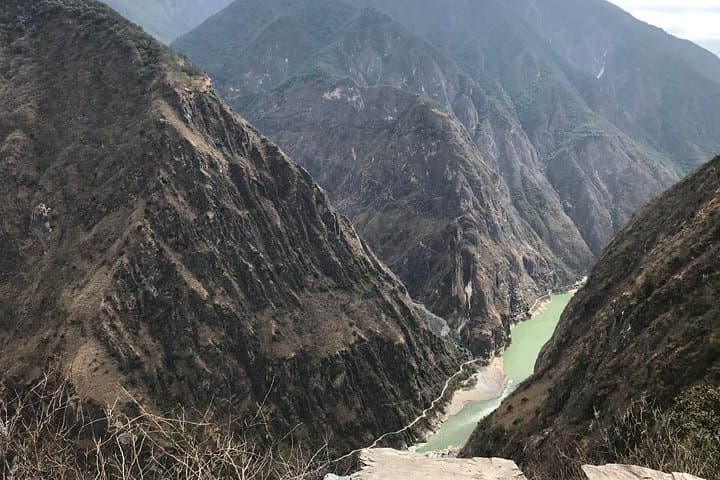
Tiger Leaping Gorge is a geological incision where the river has sliced through the eastern edge of the Tibetan Plateau; sheer walls, glacial cirques, and rapid flows tell that story. The route follows traditional mountain tracks used by locals for generations and passes through areas inhabited by the Naxi and Tibetan communities—small guesthouses echo with local food and wooden beams.
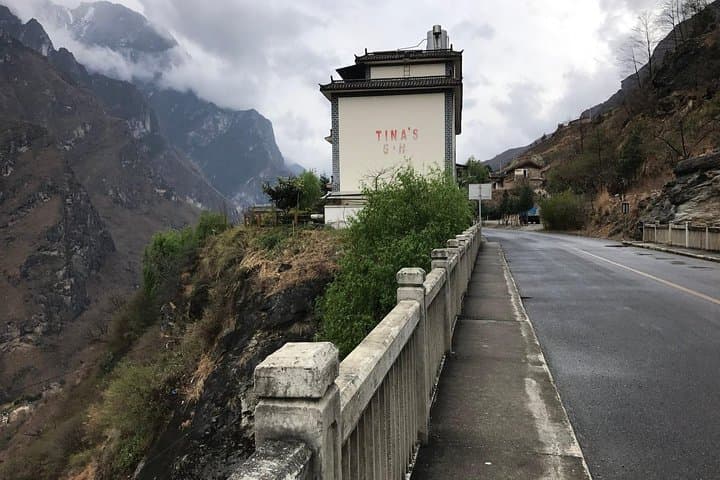
Practically, the trek covers about 17 km on day one with mixed stone steps and packed dirt, a cumulative elevation change that includes sustained climbs on the high trail and an exposed descent to Tina’s Guesthouse on day two. Expect 5–7 hours of walking the first day and 2–3 hours the second. Weather can shift fast—sun becomes wind or rain in hours—so layer, start early to avoid heat and crowds, and carry sufficient water and snacks. The trail is not technical but is at altitude; steady fitness, good boots, and respect for narrow sections make the experience safe and memorable. The tour includes guides, accommodation at a Gorge inn, meals, and vehicle transfers to Lijiang at the finish—perfect for those wanting a compact, dramatic slice of Yunnan’s high country.
moderate.
2 days.
Moderate endurance with the ability to hike 5–7 hours in a day and handle sustained uphill sections; good balance on rocky terrain.
Day one covers about 17 km with long climbs, including the 28 bends; for someone in decent shape it’s steady rather than technical—plan for 5–7 hours including breaks.
Yes—starting elevation around 2,700–3,000 m means mild altitude symptoms are possible; acclimatize in Shangri‑La and drink plenty of water.
Entrance tickets for Tiger Leaping Gorge are typically included in tour packages; independent visitors should check local ticketing at Qiaotou.
This private two‑day tour includes guide, transfers, two lunches, breakfast, entrance tickets, an overnight at a gorge guesthouse, and drop‑off at a Lijiang/Shuhe area hotel.
The gorge sits on the ancient corridor between Tibetan and lowland Yunnan cultures; local Naxi and Tibetan communities have long used these paths for trade and seasonal movement.
Visitor pressure can impact fragile trails and water sources—stick to established paths, avoid single‑use plastics, and support local guesthouses to benefit local conservation efforts.
happychinatours operates guided outdoor trips and adventures with an emphasis on safety, stewardship, and memorable experiences.
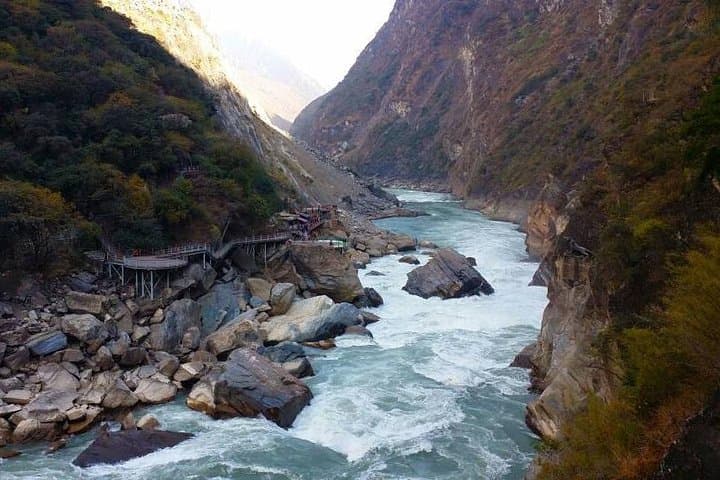
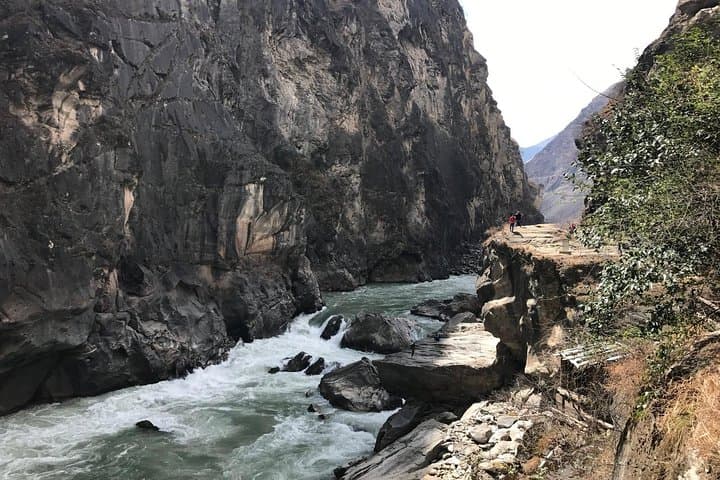
A cold mountain road unfurls out of Shangri‑La, the vehicle hugging switchbacks as alpine meadows give way to cliffs. By midmorning the valley narrows and the Jinsha (Upper Yangtze) River roars below; the trailhead at Qiaotou begins with a steep set of bends that test legs and breath. Hikers move deliberately here—past Naxi family guesthouses, across terraces, and up the so‑called 28 bends—until the first day finishes on a wooden deck facing Yulong Snow Mountain.
A cold mountain road unfurls out of Shangri‑La, the vehicle hugging switchbacks as alpine meadows give way to cliffs. By midmorning the valley narrows and the Jinsha (Upper Yangtze) River roars below; the trailhead at Qiaotou begins with a steep set of bends that test legs and breath. Hikers move deliberately here—past Naxi family guesthouses, across terraces, and up the so‑called 28 bends—until the first day finishes on a wooden deck facing Yulong Snow Mountain.
Tiger Leaping Gorge is a geological incision where the river has sliced through the eastern edge of the Tibetan Plateau; sheer walls, glacial cirques, and rapid flows tell that story. The route follows traditional mountain tracks used by locals for generations and passes through areas inhabited by the Naxi and Tibetan communities—small guesthouses echo with local food and wooden beams.
Practically, the trek covers about 17 km on day one with mixed stone steps and packed dirt, a cumulative elevation change that includes sustained climbs on the high trail and an exposed descent to Tina’s Guesthouse on day two. Expect 5–7 hours of walking the first day and 2–3 hours the second. Weather can shift fast—sun becomes wind or rain in hours—so layer, start early to avoid heat and crowds, and carry sufficient water and snacks. The trail is not technical but is at altitude; steady fitness, good boots, and respect for narrow sections make the experience safe and memorable. The tour includes guides, accommodation at a Gorge inn, meals, and vehicle transfers to Lijiang at the finish—perfect for those wanting a compact, dramatic slice of Yunnan’s high country.