THE ADVENTURE COLLECTIVE® · Independent discovery and booking for outdoor travel

Step into warm, mineral-rich pools between Nadi and Lautoka. Tifajek’s mud wraps and hot springs offer an easy, restorative 2–3 hour experience rooted in local healing traditions.
Step into warm, mineral-rich pools between Nadi and Lautoka. Tifajek’s mud wraps and hot springs offer an easy, restorative 2–3 hour experience rooted in local healing traditions.
Steam rises from black water and the air smells faintly of mineral and earth as you step off the lane into Tifajek’s mud pools. The site sits in a folded valley between Nadi and Lautoka, where geothermal heat pushes warm springs to the surface and invites a slow, tactile kind of immersion: mud wraps, steaming baths, and quiet pools that hold the day’s warmth.
Verified experiences and guided adventures in the surrounding area.
Operated by Travel Adventures Fiji · Nadi, Western Division
Steam rises from black water and the air smells faintly of mineral and earth as you step off the lane into Tifajek’s mud pools. The site sits in a folded valley between Nadi and Lautoka, where geothermal heat pushes warm springs to the surface and invites a slow, tactile kind of immersion: mud wraps, steaming baths, and quiet pools that hold the day’s warmth.
Geologically the pools are fed by shallow volcanic activity and groundwater warmed by buried heat; the clay is rich in silica and iron, and local people have long used similar springs for traditional healing and relaxation. The site today mixes that cultural backdrop with simple visitor facilities — changing areas, stepped pools, and optional Fijian-style massages offered by practitioners familiar with local techniques.
Expect 2–3 hours on site: coat yourself in cool, gritty mud, wait for it to dry, then rinse in a hot spring pool that feels like the earth’s hand easing tension from your shoulders. Facilities are wheelchair- and stroller-accessible, but the thermal water is not recommended for pregnant people or those with heart conditions.
Practical tips: go mid-morning to avoid afternoon rain during the wet season, bring a fresh change of clothes and a re-sealable bag for muddy items, and hydrate before and after soaks. Leave soaps and lotions at home to protect the springs, and consider booking massages on-site if you want a fuller traditional treatment. Tifajek is simple, earthy, and restorative — a short, accessible taste of Fiji’s geothermal side.
easy.
2–3 hours.
Minimal fitness required — ability to step in and out of pools and walk short, uneven paths.
Most visitors spend 2–3 hours, enough for a mud wrap, a soak, and optional short massage.
Basic changing facilities are available but bring your own towel; secure storage is limited so keep valuables at your accommodation.
Yes — the pools are shallow and accessible, but supervise children and anyone with health issues; not recommended for pregnant people or those with serious heart conditions.
Yes — traditional Fijian massages are offered at additional cost (options typically 15–60 minutes) and can be arranged when you arrive.
Local communities have long used geothermal springs for therapeutic bathing; modern operation blends traditional practices with visitor services.
Avoid soaps and plastics at the springs, carry out all trash, and support local operators who manage the site sustainably and limit chemical inputs.
Travel Adventures Fiji operates guided outdoor trips and adventures with an emphasis on safety, stewardship, and memorable experiences.
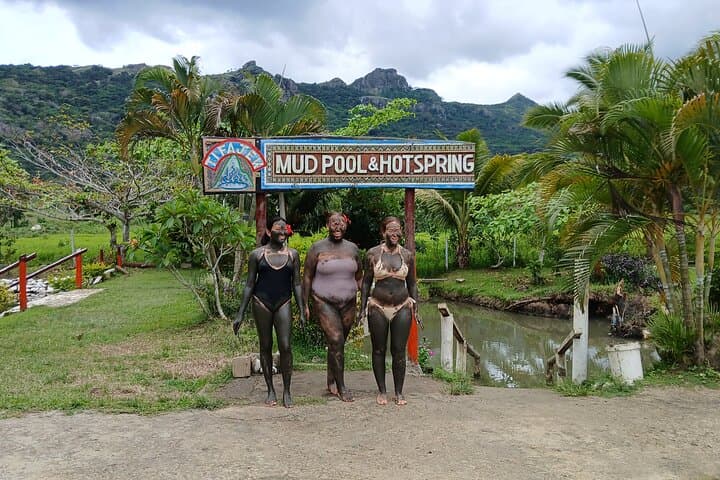
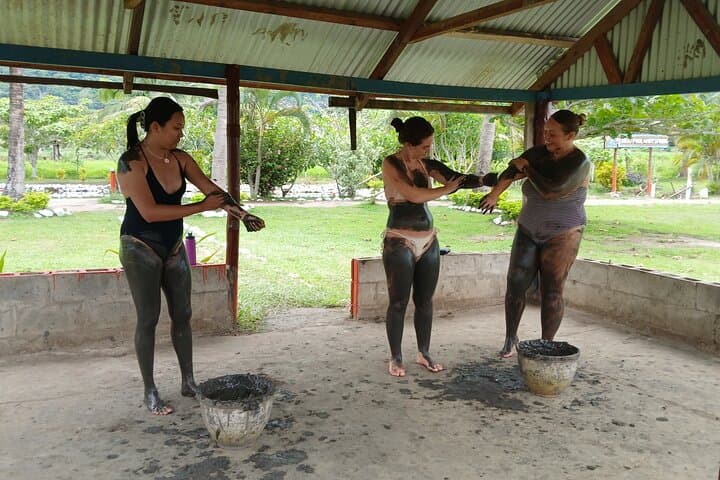
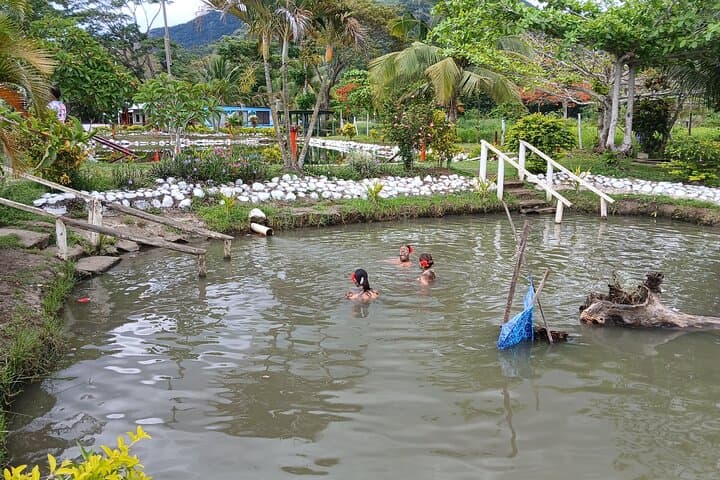
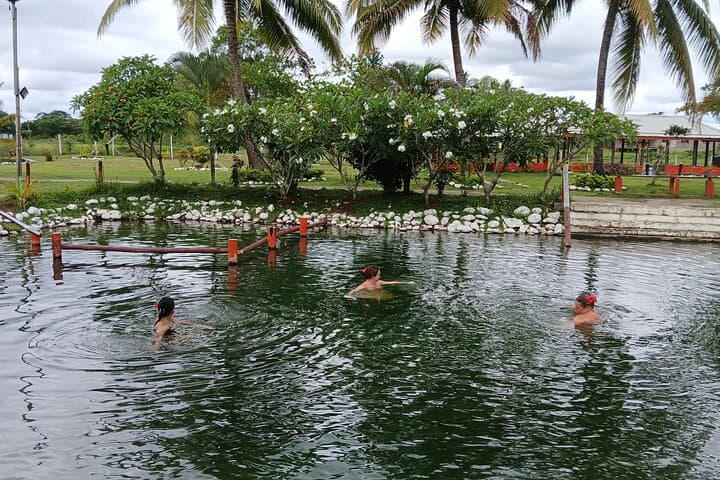
Steam rises from black water and the air smells faintly of mineral and earth as you step off the lane into Tifajek’s mud pools. The site sits in a folded valley between Nadi and Lautoka, where geothermal heat pushes warm springs to the surface and invites a slow, tactile kind of immersion: mud wraps, steaming baths, and quiet pools that hold the day’s warmth.
Steam rises from black water and the air smells faintly of mineral and earth as you step off the lane into Tifajek’s mud pools. The site sits in a folded valley between Nadi and Lautoka, where geothermal heat pushes warm springs to the surface and invites a slow, tactile kind of immersion: mud wraps, steaming baths, and quiet pools that hold the day’s warmth.
Geologically the pools are fed by shallow volcanic activity and groundwater warmed by buried heat; the clay is rich in silica and iron, and local people have long used similar springs for traditional healing and relaxation. The site today mixes that cultural backdrop with simple visitor facilities — changing areas, stepped pools, and optional Fijian-style massages offered by practitioners familiar with local techniques.
Expect 2–3 hours on site: coat yourself in cool, gritty mud, wait for it to dry, then rinse in a hot spring pool that feels like the earth’s hand easing tension from your shoulders. Facilities are wheelchair- and stroller-accessible, but the thermal water is not recommended for pregnant people or those with heart conditions.
Practical tips: go mid-morning to avoid afternoon rain during the wet season, bring a fresh change of clothes and a re-sealable bag for muddy items, and hydrate before and after soaks. Leave soaps and lotions at home to protect the springs, and consider booking massages on-site if you want a fuller traditional treatment. Tifajek is simple, earthy, and restorative — a short, accessible taste of Fiji’s geothermal side.