THE ADVENTURE COLLECTIVE® · Independent discovery and booking for outdoor travel

A single-day private tour from Tien Sa or Chan May Port that pairs coastal viewpoints, karst caves and UNESCO-listed Hoi An. Expect shrine visits, short hikes over stone steps, and a walking tour through Hoi An’s historic center.
A single-day private tour from Tien Sa or Chan May Port that pairs coastal viewpoints, karst caves and UNESCO-listed Hoi An. Expect shrine visits, short hikes over stone steps, and a walking tour through Hoi An’s historic center.
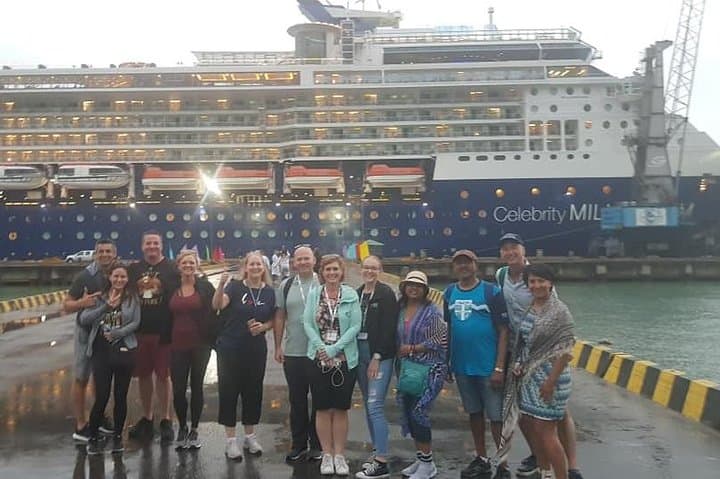
You step off the ship into the warm Da Nang air and the city pushes forward — ocean on one side, limestone ridges and a spread of red tile roofs on the other. The day moves quickly: a coastal drive to the Giant Lady Buddha on Sơn Trà, the carved caves of Marble Mountains, then the lantern-lit streets of Hoi An.
Verified experiences and guided adventures in the surrounding area.
Operated by Private Tourguides in Da Nang Hoi An Hue · Da Nang, Da Nang
You step off the ship into the warm Da Nang air and the city pushes forward — ocean on one side, limestone ridges and a spread of red tile roofs on the other. The day moves quickly: a coastal drive to the Giant Lady Buddha on Sơn Trà, the carved caves of Marble Mountains, then the lantern-lit streets of Hoi An.
Linh Ung Pagoda’s statue watches the sea; the headland’s volcanic outcrops and tropical forest are products of the region’s tectonic history, a hard coastline weathered into cliffs and hidden gullies. Marble Mountains are five small karst hills, once quarried for stone and home to Buddhist shrines and wartime caves that now echo with history. Hoi An, a former Cham and international trading port, still shows layers of Japanese and Chinese merchant architecture along the Thu Bồn River.
Expect short walks up steps, uneven cave paths, and a guided stroll through Hoi An’s compact old quarter. The tempo is cultural and coastal rather than technical — you’ll trade long hikes for viewpoints, pagodas, and markets.
Practical guidance: leave bulky bags on the ship or bus, wear grippy shoes for uneven stone and stairs, and bring sun protection and a refillable bottle; bottled water is provided. Timing matters — mornings are cooler on Sơn Trà, late afternoon light favors Hoi An photography. Allow extra time for port returns: planners recommend being back at least an hour before departure. This tour pairs natural viewpoints with living heritage — the sea and streets both have stories to tell, and the guide stitches them into a single, full day.
moderate.
7–8 hours.
Light-to-moderate fitness; able to walk on uneven ground and climb multiple short stair sections.
The tour runs about 7–8 hours; operators schedule returns so you arrive at least an hour before ship departure, but allow extra buffer for traffic.
Yes — the tour price includes entrance tickets, a set-menu lunch, and bottled water as listed in inclusions.
Hoi An walking is gentle on flat streets, but expect short stair climbs at pagodas and uneven surfaces at Marble Mountains.
Yes — strollers and infant seats are noted as available, but parents should manage stairs and cave steps during site visits.
Hoi An was a major trading port from the 15th–19th centuries, influenced by Cham, Chinese, Japanese and European merchants; Marble Mountains supplied stone and shelter during conflicts.
Sơn Trà’s forest is under increasing development pressure; visitors should stick to trails, avoid feeding wildlife, and support local conservation-minded guides.
Private Tourguides in Da Nang Hoi An Hue operates guided outdoor trips and adventures with an emphasis on safety, stewardship, and memorable experiences.

You step off the ship into the warm Da Nang air and the city pushes forward — ocean on one side, limestone ridges and a spread of red tile roofs on the other. The day moves quickly: a coastal drive to the Giant Lady Buddha on Sơn Trà, the carved caves of Marble Mountains, then the lantern-lit streets of Hoi An.
You step off the ship into the warm Da Nang air and the city pushes forward — ocean on one side, limestone ridges and a spread of red tile roofs on the other. The day moves quickly: a coastal drive to the Giant Lady Buddha on Sơn Trà, the carved caves of Marble Mountains, then the lantern-lit streets of Hoi An.
Linh Ung Pagoda’s statue watches the sea; the headland’s volcanic outcrops and tropical forest are products of the region’s tectonic history, a hard coastline weathered into cliffs and hidden gullies. Marble Mountains are five small karst hills, once quarried for stone and home to Buddhist shrines and wartime caves that now echo with history. Hoi An, a former Cham and international trading port, still shows layers of Japanese and Chinese merchant architecture along the Thu Bồn River.
Expect short walks up steps, uneven cave paths, and a guided stroll through Hoi An’s compact old quarter. The tempo is cultural and coastal rather than technical — you’ll trade long hikes for viewpoints, pagodas, and markets.
Practical guidance: leave bulky bags on the ship or bus, wear grippy shoes for uneven stone and stairs, and bring sun protection and a refillable bottle; bottled water is provided. Timing matters — mornings are cooler on Sơn Trà, late afternoon light favors Hoi An photography. Allow extra time for port returns: planners recommend being back at least an hour before departure. This tour pairs natural viewpoints with living heritage — the sea and streets both have stories to tell, and the guide stitches them into a single, full day.