THE ADVENTURE COLLECTIVE® · Independent discovery and booking for outdoor travel

An eight-day road tour from Lhasa to Everest Base Camp that combines major monasteries, high‑altitude landscapes and a night near Rongbuk Monastery. This guide covers what to expect—permits, altitude, accommodations and practical tips.
An eight-day road tour from Lhasa to Everest Base Camp that combines major monasteries, high‑altitude landscapes and a night near Rongbuk Monastery. This guide covers what to expect—permits, altitude, accommodations and practical tips.
You step off the coach and the air is thin and bracing—the plateau around Lhasa feels like a living animal, breathing cold and endless sky. Over the next eight days you move between prayer flags and glaciers, from the carved courtyards of Jokhang Temple to the wind-scoured plain below Rongbuk Monastery where Everest fills the horizon.
Verified experiences and guided adventures in the surrounding area.
Operated by Century Holiday · Lhasa, Tibet Autonomous Region
You step off the coach and the air is thin and bracing—the plateau around Lhasa feels like a living animal, breathing cold and endless sky. Over the next eight days you move between prayer flags and glaciers, from the carved courtyards of Jokhang Temple to the wind-scoured plain below Rongbuk Monastery where Everest fills the horizon.
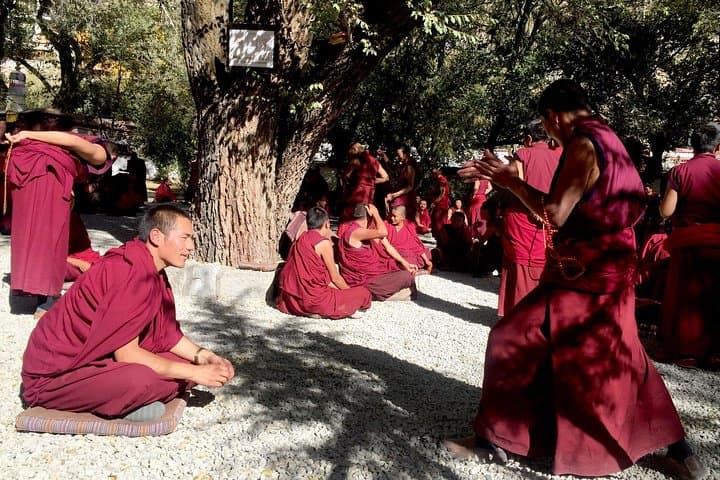
The route threads historic Lhasa, Gyantse and Shigatse with the high reaches of the Friendship Highway. Potala Palace, Drepung and Tashilhunpo speak to centuries of Tibetan Buddhist practice; geologically the journey rises from river valleys at roughly 3,650 m in Lhasa to the Rongbuk area above 4,900–5,000 m, crossing high passes and the Karo La Glacier en route. Local culture is visible in morning pujas, yak caravans, and market stalls selling tsampa and prayer wheels.
Practicalities shape the trip: the package includes a Tibet Travel Permit (TTP) and PSB clearance, multi-night hotels in Lhasa and Shigatse, and a simple overnight at Rongphu Monastery. Road travel is long—expect multiple 6–10 hour coach days—and conditions can be basic; hot water at Rongphu is limited. Acclimatize slowly, carry layered clothing, and plan for strong sun and sudden wind. Bring cash where cards won’t work, and allow time for permit collection if needed in China before arrival.
This is not a technical climb but a high-altitude cultural and landscape journey: prepare physically and logistically, respect local customs and monastic rules, and you’ll come away with both photographs and a clearer sense of why this high ground holds such enduring significance.
challenging.
8 days.
Moderate cardiovascular fitness recommended; able to handle long coach transfers and short walks at high altitude.
Yes—foreign visitors require a Tibet Travel Permit (TTP) in addition to a Chinese visa; the operator arranges the TTP but you must supply passport and visa copies in advance.
Altitude risk is real—Lhasa sits around 3,650 m and Rongbuk/EBC approaches 5,000+ m; acclimatize, ascend gradually and consult a doctor about medications like acetazolamide if you have concerns.
Accommodations are basic: limited hot water, simple heating and modest bedding; expect better standards in Lhasa hotels and more rustic conditions at high-altitude guesthouses.
Late spring to early autumn (May–October) offers milder roads and clearer views; winter brings colder temperatures and potential road closures.
Lhasa and Shigatse are centers of Gelugpa Buddhist practice—Potala Palace and Tashilhunpo Monastery have served religious and political roles for centuries.
The high Tibetan Plateau is ecologically fragile; stick to roads and trails, limit waste, and follow local guidelines to reduce impact on water sources and alpine grasslands.
Century Holiday operates guided outdoor trips and adventures with an emphasis on safety, stewardship, and memorable experiences.
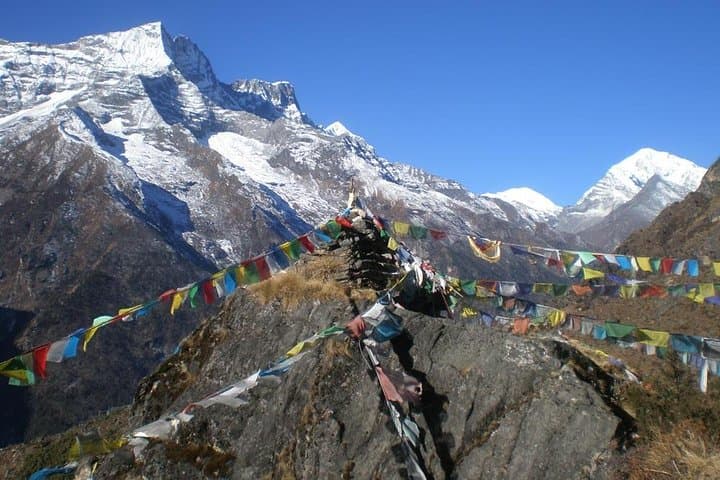
You step off the coach and the air is thin and bracing—the plateau around Lhasa feels like a living animal, breathing cold and endless sky. Over the next eight days you move between prayer flags and glaciers, from the carved courtyards of Jokhang Temple to the wind-scoured plain below Rongbuk Monastery where Everest fills the horizon.
You step off the coach and the air is thin and bracing—the plateau around Lhasa feels like a living animal, breathing cold and endless sky. Over the next eight days you move between prayer flags and glaciers, from the carved courtyards of Jokhang Temple to the wind-scoured plain below Rongbuk Monastery where Everest fills the horizon.
The route threads historic Lhasa, Gyantse and Shigatse with the high reaches of the Friendship Highway. Potala Palace, Drepung and Tashilhunpo speak to centuries of Tibetan Buddhist practice; geologically the journey rises from river valleys at roughly 3,650 m in Lhasa to the Rongbuk area above 4,900–5,000 m, crossing high passes and the Karo La Glacier en route. Local culture is visible in morning pujas, yak caravans, and market stalls selling tsampa and prayer wheels.
Practicalities shape the trip: the package includes a Tibet Travel Permit (TTP) and PSB clearance, multi-night hotels in Lhasa and Shigatse, and a simple overnight at Rongphu Monastery. Road travel is long—expect multiple 6–10 hour coach days—and conditions can be basic; hot water at Rongphu is limited. Acclimatize slowly, carry layered clothing, and plan for strong sun and sudden wind. Bring cash where cards won’t work, and allow time for permit collection if needed in China before arrival.
This is not a technical climb but a high-altitude cultural and landscape journey: prepare physically and logistically, respect local customs and monastic rules, and you’ll come away with both photographs and a clearer sense of why this high ground holds such enduring significance.