THE ADVENTURE COLLECTIVE® · Independent discovery and booking for outdoor travel

Tiananmen Square is vast, strictly regulated, and unforgettable — but you can't just turn up. Read this concise guide to passport reservations, checkpoints and timing so you arrive at the right entrance with the right documents.
Tiananmen Square is vast, strictly regulated, and unforgettable — but you can't just turn up. Read this concise guide to passport reservations, checkpoints and timing so you arrive at the right entrance with the right documents.
You step out of the subway and the air opens onto a flat plane of stone — the square stretches ahead like a public stage, flags and monuments keeping watch. The city moves around it; vendors, guards, and guided groups thread through the open space while the Gate of Heavenly Peace looms to the north, all concrete and history.
Verified experiences and guided adventures in the surrounding area.
Operated by China Pleasure Tour Co,. Ltd. · Beijing, Beijing Municipality
You step out of the subway and the air opens onto a flat plane of stone — the square stretches ahead like a public stage, flags and monuments keeping watch. The city moves around it; vendors, guards, and guided groups thread through the open space while the Gate of Heavenly Peace looms to the north, all concrete and history.
Tiananmen Square is the world’s largest urban public square, shaped by 20th-century politics and framed by the Forbidden City, the Monument to the People’s Heroes and the Mao Mausoleum. Geographically it sits on the North China Plain, where the flatness reinforces the square’s scale and the skyline reads like a civic ledger. Culturally, the square is still a focal point for national ceremonies and everyday tourism; approach it with awareness of strict entry rules and photography limits around certain sites.
Practicalities matter: entry requires pre-registered passport details tied to a time and one of several checkpoints. The two commonly used subway access points are Tiananmen West (Exit B) and Tiananmen East (Exit C) — match your checkpoint number to the exit and arrive early for security lines. Allow time for passport check, bag screening, and scheduled entry window; the reservation system enforces names and passport numbers exactly.
Plan: bring the same passport used for booking, a printed or mobile confirmation, light layers for wind across the exposed plaza, and patience for security queues. Mid-morning or late afternoon slots reduce sun exposure and give better light for photos. Respect signage and guards — following the rules keeps access simple and the experience focused on the place itself.
easy.
4 hours.
Suitable for all fitness levels — this is a low-exertion, urban visit requiring only standing and walking.
Yes — many visitors must register passport details ahead of time and receive a checkpoint assignment and time window; walk-up access is often denied.
Administrative systems require passport-linked reservations; generic e-tickets without passport registration are usually not accepted at checkpoints.
Tiananmen West (use Exit B) and Tiananmen East (use Exit C) are the recommended subway exits aligned with specific checkpoints.
Yes — the square and main access routes have accessibility provisions, but notify the booking or check local provisions if you need assistance.
The square was expanded and redesigned during the 20th century and has been the site of major national events and public ceremonies.
High visitor volumes require responsible behavior — avoid littering, follow signage, and respect restricted areas to minimize impact on the historic site.
China Pleasure Tour Co,. Ltd. operates guided outdoor trips and adventures with an emphasis on safety, stewardship, and memorable experiences.
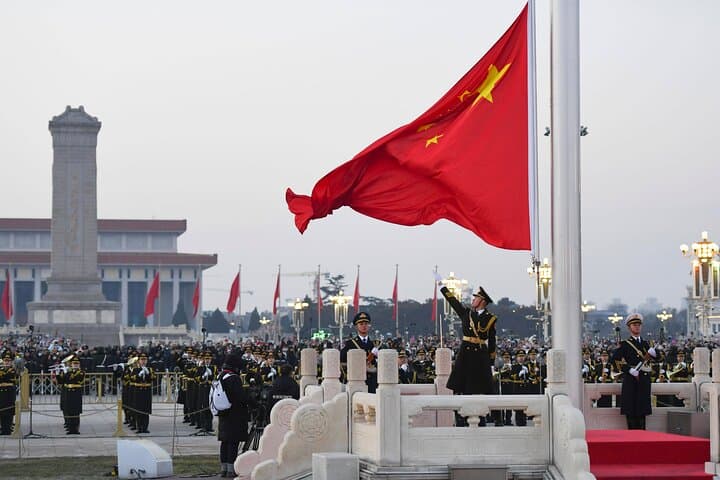
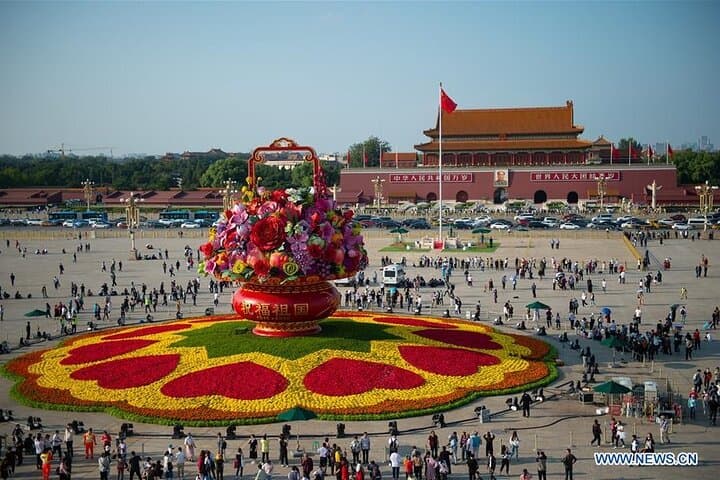
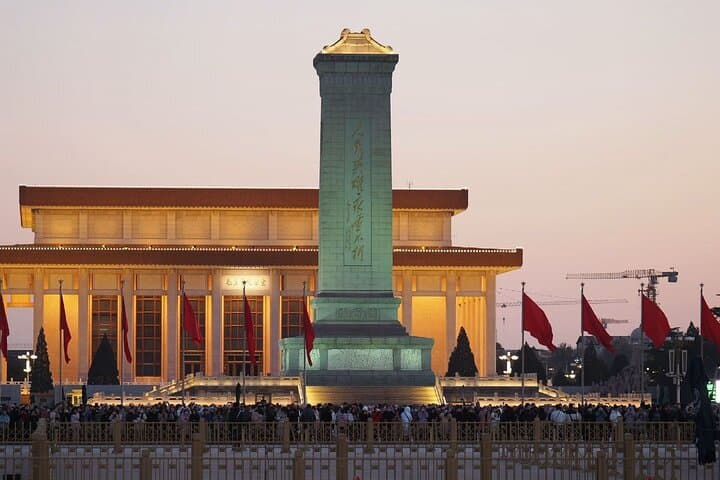
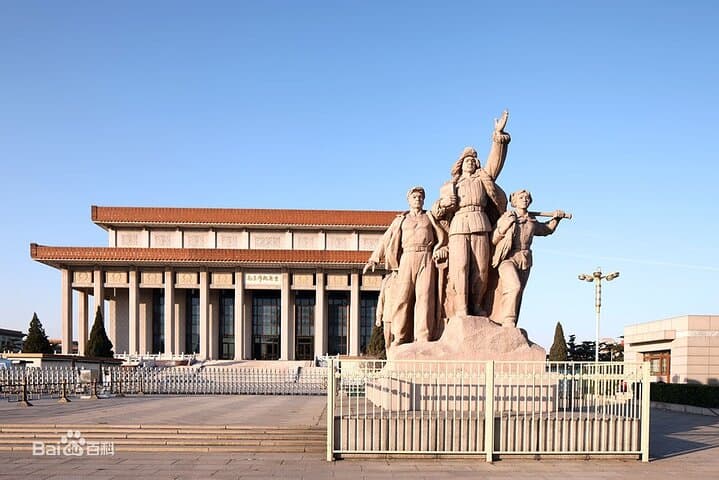
You step out of the subway and the air opens onto a flat plane of stone — the square stretches ahead like a public stage, flags and monuments keeping watch. The city moves around it; vendors, guards, and guided groups thread through the open space while the Gate of Heavenly Peace looms to the north, all concrete and history.
You step out of the subway and the air opens onto a flat plane of stone — the square stretches ahead like a public stage, flags and monuments keeping watch. The city moves around it; vendors, guards, and guided groups thread through the open space while the Gate of Heavenly Peace looms to the north, all concrete and history.
Tiananmen Square is the world’s largest urban public square, shaped by 20th-century politics and framed by the Forbidden City, the Monument to the People’s Heroes and the Mao Mausoleum. Geographically it sits on the North China Plain, where the flatness reinforces the square’s scale and the skyline reads like a civic ledger. Culturally, the square is still a focal point for national ceremonies and everyday tourism; approach it with awareness of strict entry rules and photography limits around certain sites.
Practicalities matter: entry requires pre-registered passport details tied to a time and one of several checkpoints. The two commonly used subway access points are Tiananmen West (Exit B) and Tiananmen East (Exit C) — match your checkpoint number to the exit and arrive early for security lines. Allow time for passport check, bag screening, and scheduled entry window; the reservation system enforces names and passport numbers exactly.
Plan: bring the same passport used for booking, a printed or mobile confirmation, light layers for wind across the exposed plaza, and patience for security queues. Mid-morning or late afternoon slots reduce sun exposure and give better light for photos. Respect signage and guards — following the rules keeps access simple and the experience focused on the place itself.