THE ADVENTURE COLLECTIVE® · Independent discovery and booking for outdoor travel

Follow a guide from Sugarlands Visitor Center into lesser-traveled reaches of the Great Smoky Mountains to see cascading falls, swim holes and wildflower glades. This moderately adventurous 3-hour hike mixes popular viewpoints with quiet streamside corridors.
Follow a guide from Sugarlands Visitor Center into lesser-traveled reaches of the Great Smoky Mountains to see cascading falls, swim holes and wildflower glades. This moderately adventurous 3-hour hike mixes popular viewpoints with quiet streamside corridors.
A cold mist lifts from the stream as you step off the trail and into the sound of falling water—rock and root underfoot, a ribbon of white rushing downhill. The guide points out the route ahead: a well-trod section to warm up, then a narrower track that drops into a quieter canyon where multiple cascades cut through ancient sandstone and shale.
Verified experiences and guided adventures in the surrounding area.
Operated by A Walk in the Woods · Gatlinburg, Tennessee
A cold mist lifts from the stream as you step off the trail and into the sound of falling water—rock and root underfoot, a ribbon of white rushing downhill. The guide points out the route ahead: a well-trod section to warm up, then a narrower track that drops into a quieter canyon where multiple cascades cut through ancient sandstone and shale.
The Smokies are old—part of a belt folded over 200 million years ago—and the park preserves both that geology and the human history carved into it: Cherokee hunting grounds, 19th-century homesteads, and later selective logging before national protection in 1934. Today the forest regenerates, and the streams have shaped stepping stones, plunge pools and mossy ledges that reward careful footing.
Expect a moderately adventurous outing: roughly 3 hours on mixed singletrack and rock, with some elevation gain, downed logs to negotiate and a few shallow crossings that will wet your feet. Spring bouquets of trillium and phlox punctuate the understory; summer opens cool swim holes; autumn paints the ridges; winter offers clear mountain sightlines and a hush over the forest.
Practical edge: meet at Sugarlands Visitor Center and follow the guide in your own vehicle to the trailhead (park pass required for stops longer than 15 minutes). Wear waterproof footwear with good traction, carry at least 1–2 liters of water, layers for changing mountain weather, and a bear-aware mindset—make noise, keep food sealed. Trails can be slick after rain; plan for sturdy footing and an early start to avoid crowds and maximize light for photos.
moderate.
3 hours.
Moderate fitness: able to hike uneven terrain, climb over downed trees and manage short elevation gains.
Meet at Sugarlands Visitor Center; you will follow the guide in your own vehicle about 10 minutes to the trailhead.
Yes — summer can reveal shallow swim holes below some cascades, but conditions vary; follow the guide and enter water at your own risk.
Older children in good hiking shape who can handle uneven terrain and occasional water crossings can join; it’s not recommended for very young kids or those unable to climb short obstacles.
Tours operate rain or shine but may be modified due to road closures or unsafe conditions; cancelation policies allow a full refund with 24-hour notice if necessary.
The park protects landscapes shaped by ancient geology and later by Cherokee land use and early European settlers; much of the area was logged before federal protection in the 20th century.
Practice Leave No Trace, carry out all waste and follow park rules for food storage and parking—protecting riparian zones and avoiding soil erosion at streambanks helps keep cascades healthy.
A Walk in the Woods operates guided outdoor trips and adventures with an emphasis on safety, stewardship, and memorable experiences.
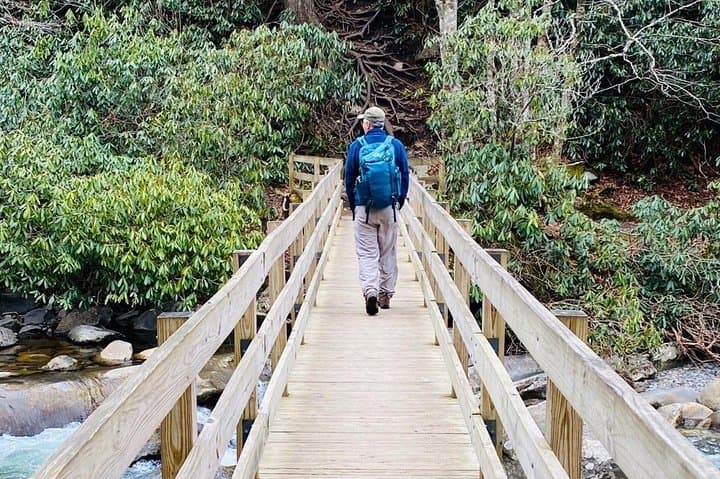
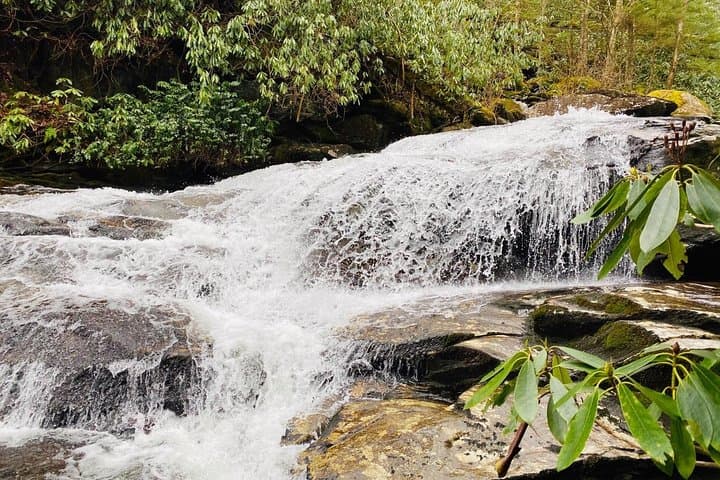
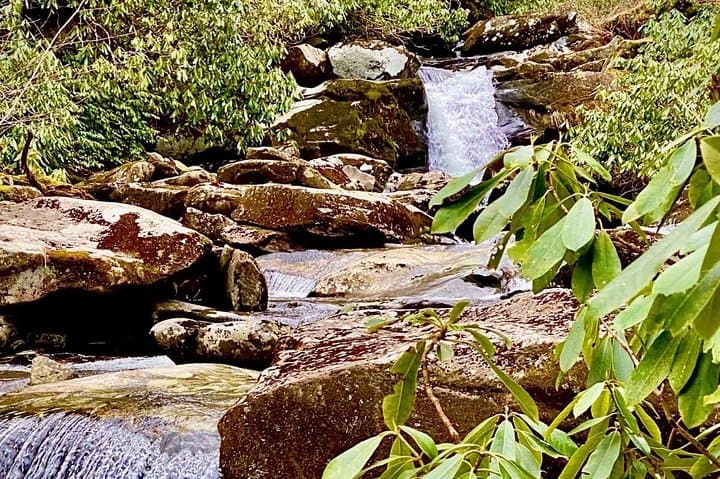
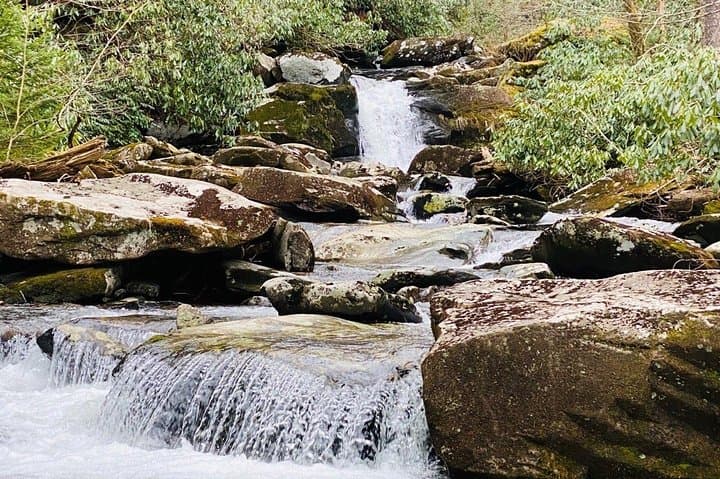
A cold mist lifts from the stream as you step off the trail and into the sound of falling water—rock and root underfoot, a ribbon of white rushing downhill. The guide points out the route ahead: a well-trod section to warm up, then a narrower track that drops into a quieter canyon where multiple cascades cut through ancient sandstone and shale.
A cold mist lifts from the stream as you step off the trail and into the sound of falling water—rock and root underfoot, a ribbon of white rushing downhill. The guide points out the route ahead: a well-trod section to warm up, then a narrower track that drops into a quieter canyon where multiple cascades cut through ancient sandstone and shale.
The Smokies are old—part of a belt folded over 200 million years ago—and the park preserves both that geology and the human history carved into it: Cherokee hunting grounds, 19th-century homesteads, and later selective logging before national protection in 1934. Today the forest regenerates, and the streams have shaped stepping stones, plunge pools and mossy ledges that reward careful footing.
Expect a moderately adventurous outing: roughly 3 hours on mixed singletrack and rock, with some elevation gain, downed logs to negotiate and a few shallow crossings that will wet your feet. Spring bouquets of trillium and phlox punctuate the understory; summer opens cool swim holes; autumn paints the ridges; winter offers clear mountain sightlines and a hush over the forest.
Practical edge: meet at Sugarlands Visitor Center and follow the guide in your own vehicle to the trailhead (park pass required for stops longer than 15 minutes). Wear waterproof footwear with good traction, carry at least 1–2 liters of water, layers for changing mountain weather, and a bear-aware mindset—make noise, keep food sealed. Trails can be slick after rain; plan for sturdy footing and an early start to avoid crowds and maximize light for photos.