THE ADVENTURE COLLECTIVE® · Independent discovery and booking for outdoor travel

Skim Darwin Harbour on a guided jet ski to see WWII shipwrecks and cyclone-era trawlers up close. This one-hour tour combines short bursts of speed with historical narration and hands-on safety briefings.
Skim Darwin Harbour on a guided jet ski to see WWII shipwrecks and cyclone-era trawlers up close. This one-hour tour combines short bursts of speed with historical narration and hands-on safety briefings.
The engine’s rasp drops low as the harbor opens up and salt spray cools your face—Darwin’s coastline rushing past in spurts of white wake. In a single hour you skim across shallow bays toward rusted hulls and twisted metal that sit like dark fossils on the seabed, while guides point out the silhouettes of vessels bombed in 1942 and the fishing trawlers rearranged by Cyclone Tracy in 1974.
Verified experiences and guided adventures in the surrounding area.
Operated by 00Seven Adventures · Darwin, Northern Territory
The engine’s rasp drops low as the harbor opens up and salt spray cools your face—Darwin’s coastline rushing past in spurts of white wake. In a single hour you skim across shallow bays toward rusted hulls and twisted metal that sit like dark fossils on the seabed, while guides point out the silhouettes of vessels bombed in 1942 and the fishing trawlers rearranged by Cyclone Tracy in 1974.
Darwin Harbour is both tropical waterway and an open-air museum. The Japanese air raids of February 1942 left several Allied ships on the seabed; today those wrecks, plus later trawlers, make up one of Australia’s largest maritime heritage sites. Geologically the harbor is shallow with significant tidal swings, so sandbanks and channels dictate the route. Culturally, this coastline carries wartime memory alongside Indigenous connection to sea country; guides typically provide historical context while running safety briefings.
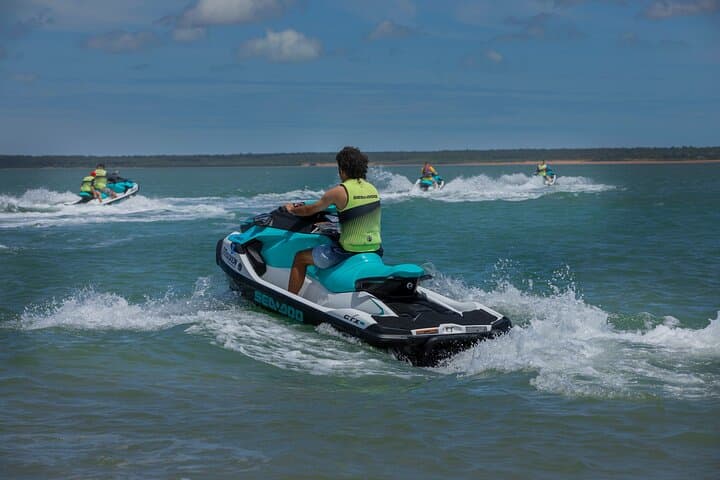
Practically: the tour is a guided, 60-minute jet-ski loop with groups up to 16, life jackets and bottled water supplied. Expect basic instruction before launch, moderate physical effort to balance and handle throttle, and possible cancellations in heavy weather or during cyclone season. Wear quick-dry layers, secure electronics in dry bags, and aim for early-morning slots for cooler conditions and calmer seas. Follow the guide’s line, respect marked wreck sites (do not touch or attempt dives), and plan to book at least a day ahead—operators collect age, weight and contact details at booking. The ride is brisk, historically rich, and focused on safe, interpretive access to Darwin’s underwater past.
moderate.
1 hour.
Expect moderate exertion: standing/leaning on the jet ski, handling throttle and balance for short bursts.
No—operators provide a safety briefing and basic handling instruction; moderate balance and comfort on moving water are helpful.
Participants must provide age and weight during booking; exact limits depend on the operator and craft—contact them if you have concerns.
Tours are regularly canceled for heavy rain, high winds or cyclone risk; cancelations for bad weather are covered under the operator’s policy (full refund if 24+ hours before).
No—wrecks are protected and approached for viewing only; touching or diving on sites is prohibited without separate, licensed dive arrangements.
Darwin Harbour was bombed in February 1942, leaving multiple wartime shipwrecks; Cyclone Tracy (1974) also reshaped the seabed and scattered trawlers across the harbor.
Wreck sites are heritage-listed and vulnerable—avoid disturbing artifacts, and operators follow rules to limit anchoring and contact with sensitive areas.
00Seven Adventures operates guided outdoor trips and adventures with an emphasis on safety, stewardship, and memorable experiences.
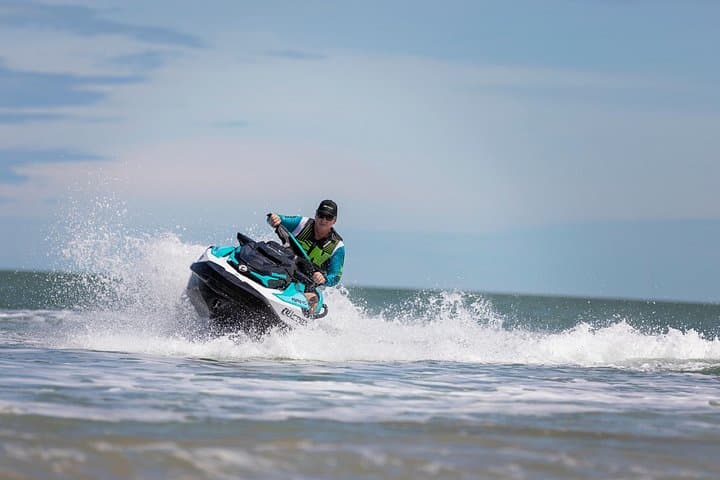
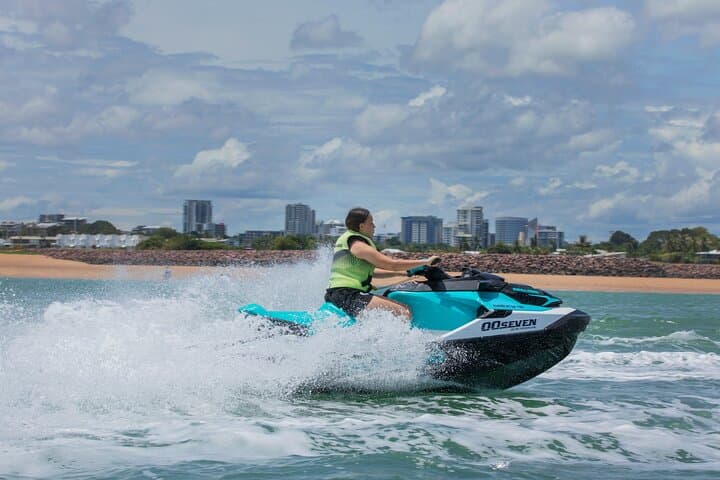
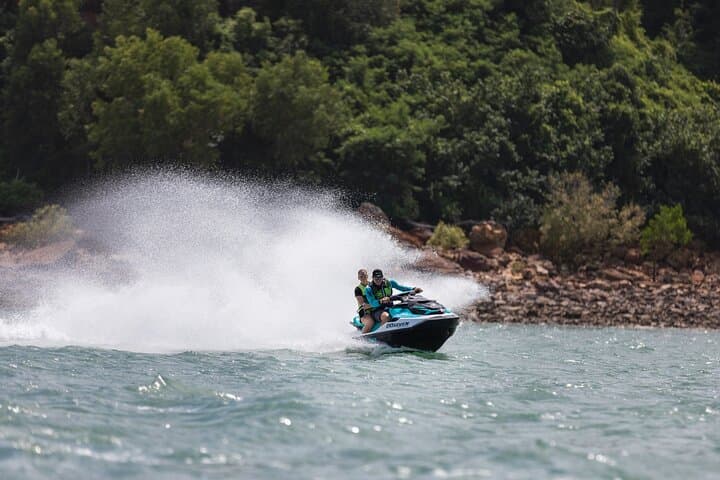
The engine’s rasp drops low as the harbor opens up and salt spray cools your face—Darwin’s coastline rushing past in spurts of white wake. In a single hour you skim across shallow bays toward rusted hulls and twisted metal that sit like dark fossils on the seabed, while guides point out the silhouettes of vessels bombed in 1942 and the fishing trawlers rearranged by Cyclone Tracy in 1974.
The engine’s rasp drops low as the harbor opens up and salt spray cools your face—Darwin’s coastline rushing past in spurts of white wake. In a single hour you skim across shallow bays toward rusted hulls and twisted metal that sit like dark fossils on the seabed, while guides point out the silhouettes of vessels bombed in 1942 and the fishing trawlers rearranged by Cyclone Tracy in 1974.
Darwin Harbour is both tropical waterway and an open-air museum. The Japanese air raids of February 1942 left several Allied ships on the seabed; today those wrecks, plus later trawlers, make up one of Australia’s largest maritime heritage sites. Geologically the harbor is shallow with significant tidal swings, so sandbanks and channels dictate the route. Culturally, this coastline carries wartime memory alongside Indigenous connection to sea country; guides typically provide historical context while running safety briefings.
Practically: the tour is a guided, 60-minute jet-ski loop with groups up to 16, life jackets and bottled water supplied. Expect basic instruction before launch, moderate physical effort to balance and handle throttle, and possible cancellations in heavy weather or during cyclone season. Wear quick-dry layers, secure electronics in dry bags, and aim for early-morning slots for cooler conditions and calmer seas. Follow the guide’s line, respect marked wreck sites (do not touch or attempt dives), and plan to book at least a day ahead—operators collect age, weight and contact details at booking. The ride is brisk, historically rich, and focused on safe, interpretive access to Darwin’s underwater past.