THE ADVENTURE COLLECTIVE® · Independent discovery and booking for outdoor travel

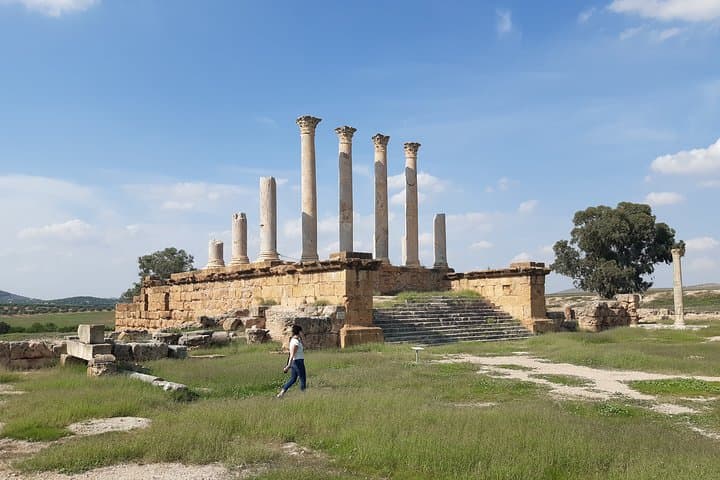
Walk Roman streets, stand beneath a six‑columned Capitol, and trace the aqueduct that once fed Carthage. This full‑day guided circuit from Tunis links Uthina, Zaghouan and Thuburbo Majus with clear history and practical pacing.
Walk Roman streets, stand beneath a six‑columned Capitol, and trace the aqueduct that once fed Carthage. This full‑day guided circuit from Tunis links Uthina, Zaghouan and Thuburbo Majus with clear history and practical pacing.
You step down from an air‑conditioned minivan as wind lifts the dust from a low hill and the first Corinthian column comes into view—stones rounded by two millennia of sun and traffic. The valley below smells faintly of olive groves; above, the broken silhouette of a Capitol and the wide, worn steps of a forum frame the sky.
Verified experiences and guided adventures in the surrounding area.
Operated by Tunisia Guided Tours · Thuburbo Majus / Zaghouan area, Zaghouan Governorate
You step down from an air‑conditioned minivan as wind lifts the dust from a low hill and the first Corinthian column comes into view—stones rounded by two millennia of sun and traffic. The valley below smells faintly of olive groves; above, the broken silhouette of a Capitol and the wide, worn steps of a forum frame the sky.
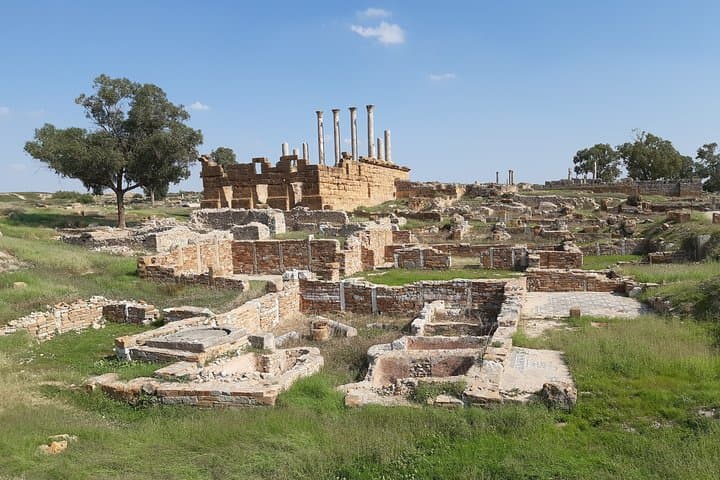
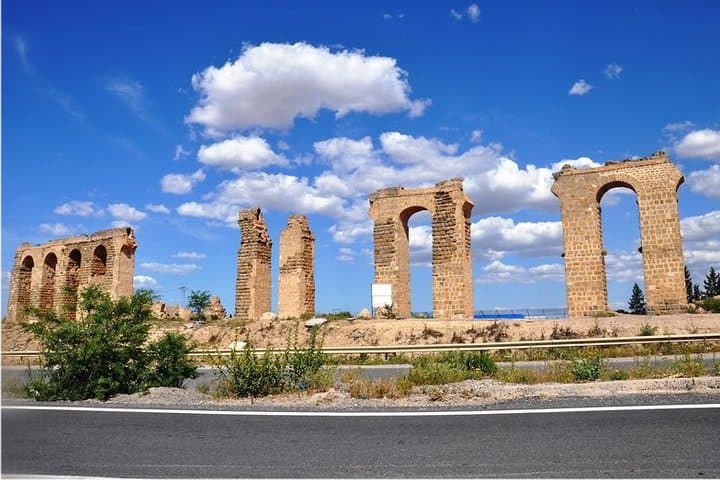
This full‑day archaeological circuit moves from Uthina (Oudna), with its capacious bath complexes and an amphitheater once seating thousands, to the aqueduct springs at Zaghouan—part of the 132 km system that fed ancient Carthage—and finishes at Thuburbo Majus, where a six‑columned Capitol and two distinct bath complexes mark a city reborn in the 4th century AD.
Geology here is soft limestone and terra rossa soils that kept mosaics intact in protected villas like the 2,300 m² Laberii house. Cultural traces layer Punic foundations beneath Roman temples; inscriptions and reused stones tell a slow story of acculturation and decline through the Byzantine and Arab periods.
Expect well‑marked ruins, uneven flagstones, and open exposures to sun and wind. The tour runs about seven hours including driving from Tunis (roughly 45–75 minutes each way depending on traffic). Practicalities: bring 1–2 liters of water, sun protection, sturdy shoes for rubble and steps, and a light layer for coastal breezes. Mornings are cooler and quieter; afternoons bring stronger light for photography but hotter walking. Guides typically cover history, architecture and conservation practices—listen for directions about restricted zones and fragile mosaics.
easy.
7 hours.
Light aerobic fitness is sufficient; ability to walk on uneven surfaces and climb short flights of steps required
The tour lasts about seven hours total; driving from Tunis to the sites typically takes 45–75 minutes each way depending on traffic.
The itinerary notes admission included for the primary ruins; confirm at booking for any specific museum or optional stops.
Many areas are wheelchair accessible and transport is provided, but some ruins have uneven ground and steps—check with the operator about route options before booking.
Guides commonly speak English and French on Tunisia tours; confirm language availability when you reserve your spot.
Thuburbo Majus, Uthina and the Zaghouan springs reflect Punic foundations later Romanized; the aqueduct system famously supplied Carthage with millions of liters daily.
Erosion, looting and vegetation growth threaten exposed mosaics and masonry; stay on marked paths, avoid touching mosaics and respect site signage to support preservation.
Tunisia Guided Tours operates guided outdoor trips and adventures with an emphasis on safety, stewardship, and memorable experiences.
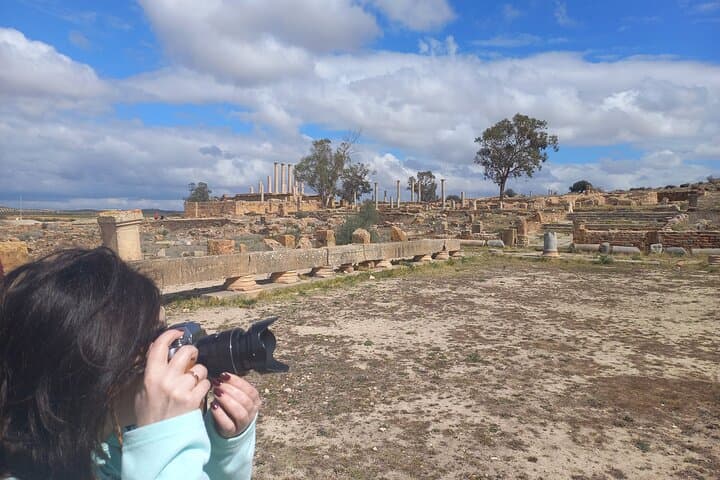
You step down from an air‑conditioned minivan as wind lifts the dust from a low hill and the first Corinthian column comes into view—stones rounded by two millennia of sun and traffic. The valley below smells faintly of olive groves; above, the broken silhouette of a Capitol and the wide, worn steps of a forum frame the sky.
You step down from an air‑conditioned minivan as wind lifts the dust from a low hill and the first Corinthian column comes into view—stones rounded by two millennia of sun and traffic. The valley below smells faintly of olive groves; above, the broken silhouette of a Capitol and the wide, worn steps of a forum frame the sky.
This full‑day archaeological circuit moves from Uthina (Oudna), with its capacious bath complexes and an amphitheater once seating thousands, to the aqueduct springs at Zaghouan—part of the 132 km system that fed ancient Carthage—and finishes at Thuburbo Majus, where a six‑columned Capitol and two distinct bath complexes mark a city reborn in the 4th century AD.
Geology here is soft limestone and terra rossa soils that kept mosaics intact in protected villas like the 2,300 m² Laberii house. Cultural traces layer Punic foundations beneath Roman temples; inscriptions and reused stones tell a slow story of acculturation and decline through the Byzantine and Arab periods.
Expect well‑marked ruins, uneven flagstones, and open exposures to sun and wind. The tour runs about seven hours including driving from Tunis (roughly 45–75 minutes each way depending on traffic). Practicalities: bring 1–2 liters of water, sun protection, sturdy shoes for rubble and steps, and a light layer for coastal breezes. Mornings are cooler and quieter; afternoons bring stronger light for photography but hotter walking. Guides typically cover history, architecture and conservation practices—listen for directions about restricted zones and fragile mosaics.