THE ADVENTURE COLLECTIVE® · Independent discovery and booking for outdoor travel

Walk into the beating heart of Marrakech—Jemaa el-Fnaa and the winding souks—on a 3–4 hour private tour that combines history, architecture, and hands-on shopping. Expect close-quarters alleyways, centuries-old craftsmanship, and practical tips for bargaining and street food.
Walk into the beating heart of Marrakech—Jemaa el-Fnaa and the winding souks—on a 3–4 hour private tour that combines history, architecture, and hands-on shopping. Expect close-quarters alleyways, centuries-old craftsmanship, and practical tips for bargaining and street food.
You step off the wide avenue and the Old Medina closes around you—its alleys narrow, voices layering into a steady human current that pulls you toward Jemaa el-Fnaa.
Verified experiences and guided adventures in the surrounding area.
Operated by Marrakech4all · Marrakech, Marrakech-Safi
You step off the wide avenue and the Old Medina closes around you—its alleys narrow, voices layering into a steady human current that pulls you toward Jemaa el-Fnaa.
The square itself acts like a living stage: storytellers call, cooks bend over grills, and the air carries a sharp ribbon of spices. Moving inward, the lanes of the souks change tempo—wider for the leather and textiles, tighter where metalworkers hammer and woodcarvers shape cedar into frames and doors.
Marrakech was founded in the 11th century by the Almoravids; the medina’s street plan and the Ben Youssef Madrasa speak to centuries of Islamic scholarship and artisanal systems that organized production, trade, and guild life. The city sits on the high plains south of the Atlas—its ochre buildings are made from local clay and reflect the region’s geology in their hues.
A guided walk through these alleys gives context: architectural details, the role of souks in Moroccan family economies, and why certain crafts concentrate in specific quarters. You’ll visit the Madrasa’s tilework, step into Dar El Bacha’s courtyard, and end with time to shop.
Practical notes matter: wear closed-toe shoes for uneven cobbles, carry water and small bills, and leave bulky backpacks at your hotel—traffic and crowds make pickpockets an occasional nuisance. Mornings are cooler and less crowded; late afternoon brings the square alive and the best street-food energy. Bargaining is expected but keep it friendly—ask your guide if you’re unsure of prices. A three- to four-hour private tour is an efficient way to absorb history, taste street cuisine safely, and come away with well-chosen souvenirs.
easy.
3–4 hours.
Suitable for most fitness levels; requires standing and walking on uneven surfaces for several hours.
Admission is not included in this tour price; your guide will point out entry details and how to purchase tickets if you wish to go inside.
Many areas on the route are accessible and the operator lists wheelchair access, but some narrow alleys and cobbled sections may be difficult—confirm specific needs when booking.
Bottled water is provided; you’ll have opportunities to sample street food and visit Dar El Bacha’s coffee house during the free-time portion.
Bargaining is expected—start around half the asking price, remain friendly, and ask your guide for local price ranges if unsure.
Founded in the 11th century by the Almoravids, Marrakech’s medina developed as a hub for trans-Saharan trade and artisan guilds; landmarks like Ben Youssef Madrasa reflect centuries of Islamic education and craftsmanship.
Local crafts depend on sustainable material sources and fair pricing; shop thoughtfully, support recognized ateliers, and reduce plastic waste when visiting the medina.
Marrakech4all operates guided outdoor trips and adventures with an emphasis on safety, stewardship, and memorable experiences.
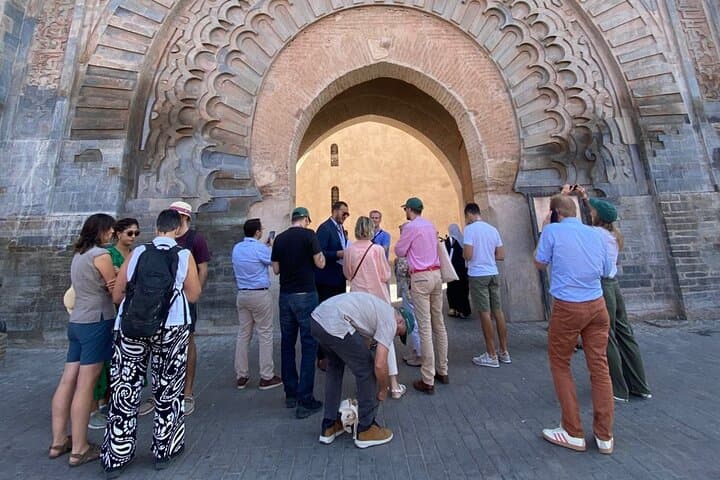
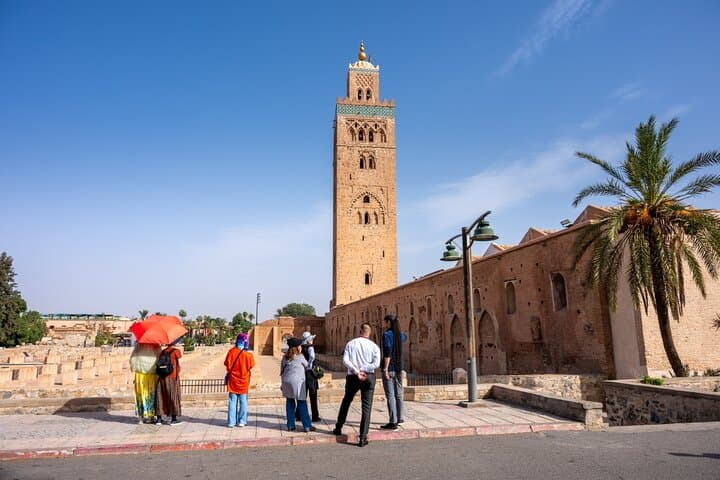
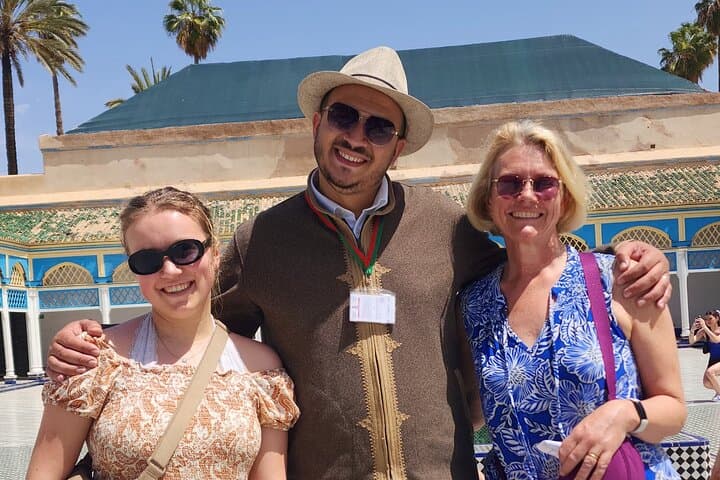
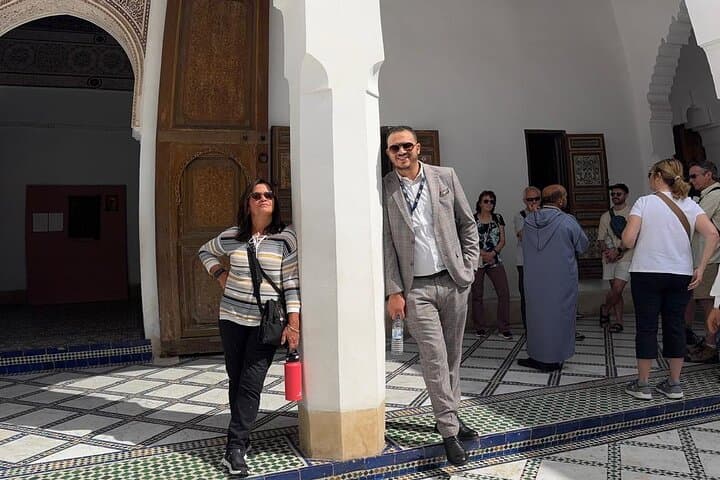
You step off the wide avenue and the Old Medina closes around you—its alleys narrow, voices layering into a steady human current that pulls you toward Jemaa el-Fnaa.
You step off the wide avenue and the Old Medina closes around you—its alleys narrow, voices layering into a steady human current that pulls you toward Jemaa el-Fnaa.
The square itself acts like a living stage: storytellers call, cooks bend over grills, and the air carries a sharp ribbon of spices. Moving inward, the lanes of the souks change tempo—wider for the leather and textiles, tighter where metalworkers hammer and woodcarvers shape cedar into frames and doors.
Marrakech was founded in the 11th century by the Almoravids; the medina’s street plan and the Ben Youssef Madrasa speak to centuries of Islamic scholarship and artisanal systems that organized production, trade, and guild life. The city sits on the high plains south of the Atlas—its ochre buildings are made from local clay and reflect the region’s geology in their hues.
A guided walk through these alleys gives context: architectural details, the role of souks in Moroccan family economies, and why certain crafts concentrate in specific quarters. You’ll visit the Madrasa’s tilework, step into Dar El Bacha’s courtyard, and end with time to shop.
Practical notes matter: wear closed-toe shoes for uneven cobbles, carry water and small bills, and leave bulky backpacks at your hotel—traffic and crowds make pickpockets an occasional nuisance. Mornings are cooler and less crowded; late afternoon brings the square alive and the best street-food energy. Bargaining is expected but keep it friendly—ask your guide if you’re unsure of prices. A three- to four-hour private tour is an efficient way to absorb history, taste street cuisine safely, and come away with well-chosen souvenirs.