THE ADVENTURE COLLECTIVE® · Independent discovery and booking for outdoor travel

Spend a full day from Beirut exploring three dramatic Lebanese waterfalls: the stone bridges and cavern of Baatara, the mythic spring of Afqa, and the peaceful tiers of Kfar Helda. This practical guide covers what to expect, when to go, and what to pack.
Spend a full day from Beirut exploring three dramatic Lebanese waterfalls: the stone bridges and cavern of Baatara, the mythic spring of Afqa, and the peaceful tiers of Kfar Helda. This practical guide covers what to expect, when to go, and what to pack.
You arrive before the heat of the day, tires crunching on a mountain road as cedar‑draped ridgelines open into limestone cliffs. Mist hangs in the gorge at Baatara, where water drops through three natural stone bridges into a cavernous sink; farther along, Afqa’s spring-driven cascade feeds the mythic Nahr Ibrahim, and the quieter tiers of Kfar Helda slip through green folds of valley and rock.
Verified experiences and guided adventures in the surrounding area.
Operated by Beirut Trip · Beirut, Beirut Governorate
You arrive before the heat of the day, tires crunching on a mountain road as cedar‑draped ridgelines open into limestone cliffs. Mist hangs in the gorge at Baatara, where water drops through three natural stone bridges into a cavernous sink; farther along, Afqa’s spring-driven cascade feeds the mythic Nahr Ibrahim, and the quieter tiers of Kfar Helda slip through green folds of valley and rock.
These falls trace Lebanon’s geology and myth. Baatara Gorge is carved from Jurassic limestone and reveals layered caves and bridges formed by millennia of erosion. Afqa sits near Bronze Age sites tied to the Adonis legend; local villages still mark seasonal rites along the river. Kfar Helda, smaller and less visited, offers clear pools and multi-tiered cascades in a working agricultural landscape where terraced orchards meet the stream.
Expect short walks and uneven rock trails rather than long technical hikes; trails can be muddy in spring and icy in winter. Photographers will find dramatic light near the bridges at Baatara, while Afqa rewards quiet observation of spring-fed flow and nearby ruins.
Practical guidance: travel from Beirut for a full day (about eight hours door‑to‑door), bring sturdy shoes, sun protection and 1–2 liters of water, and plan for limited facilities at each site. Respect marked paths and private land; local guides will often point out safer vantage points for photos. Aim for spring or fall for the best flow and milder temperatures, and check road conditions in winter when access can be restricted by snow or ice.
easy.
8 hours.
Suitable for most fitness levels; requires short walks on uneven terrain and basic mobility.
The tour is approximately eight hours and typically includes hotel pickup/drop-off, transport in an air‑conditioned vehicle, and a tour leader; admissions are generally not included.
No—walks are short but uneven; basic mobility is required to navigate stairs, rocks and short slopes.
Spring and fall offer the best combination of water flow and mild temperatures; summer can be hot with lower flows, and winter may present icy or impassable roads.
Facilities are limited; some small local vendors may be available near popular sites, but it’s best to bring snacks and water and plan for basic restroom availability at roadside stops.
These waterfalls sit within landscapes shaped by millennia of human settlement—Afqa in particular is linked to ancient Phoenician and Greco‑Roman myths about Adonis and the river source.
Visitor pressure and litter impact fragile karst systems; stick to trails, avoid disturbing vegetation, and support local guides who encourage sustainable access.
Beirut Trip operates guided outdoor trips and adventures with an emphasis on safety, stewardship, and memorable experiences.
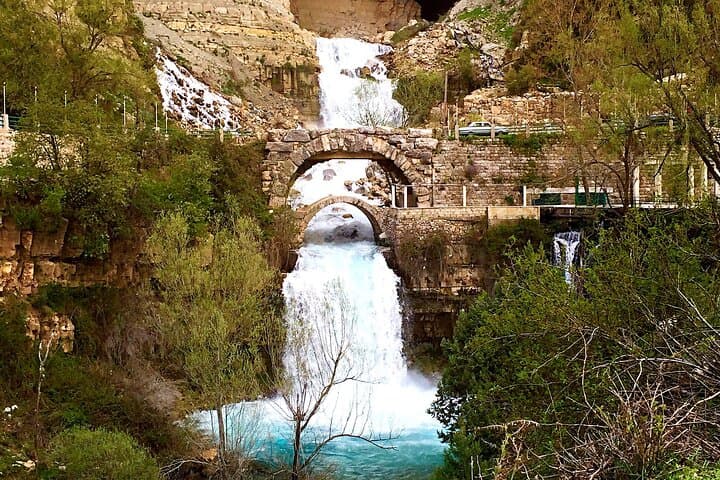
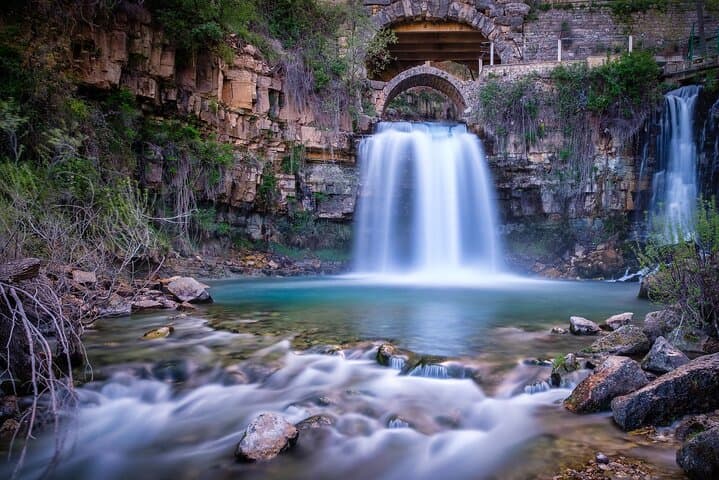
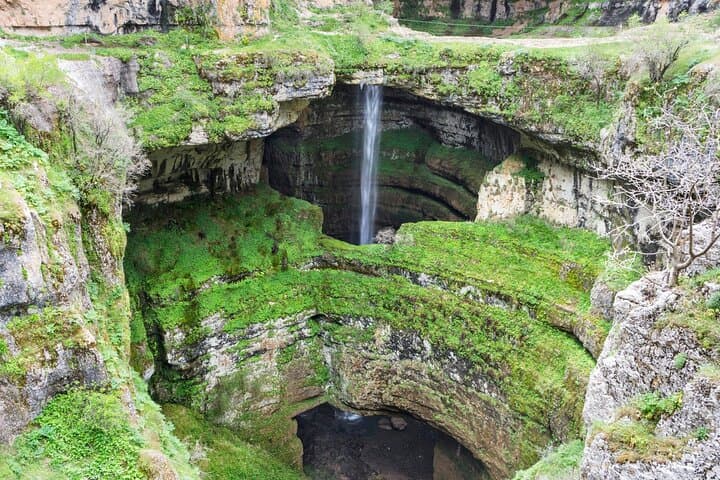
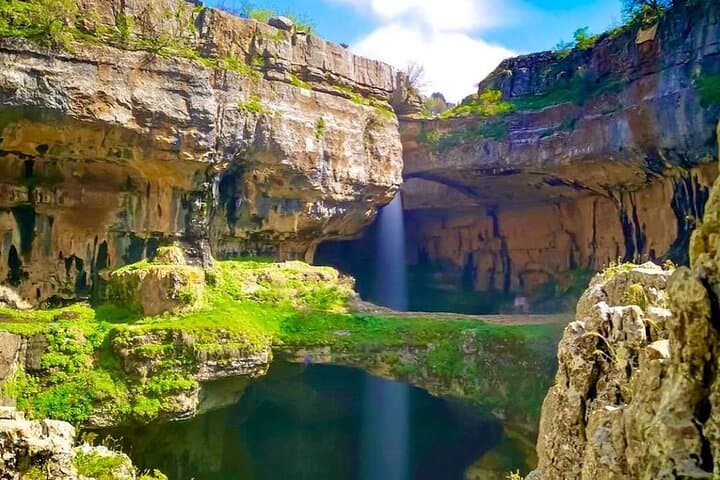
You arrive before the heat of the day, tires crunching on a mountain road as cedar‑draped ridgelines open into limestone cliffs. Mist hangs in the gorge at Baatara, where water drops through three natural stone bridges into a cavernous sink; farther along, Afqa’s spring-driven cascade feeds the mythic Nahr Ibrahim, and the quieter tiers of Kfar Helda slip through green folds of valley and rock.
You arrive before the heat of the day, tires crunching on a mountain road as cedar‑draped ridgelines open into limestone cliffs. Mist hangs in the gorge at Baatara, where water drops through three natural stone bridges into a cavernous sink; farther along, Afqa’s spring-driven cascade feeds the mythic Nahr Ibrahim, and the quieter tiers of Kfar Helda slip through green folds of valley and rock.
These falls trace Lebanon’s geology and myth. Baatara Gorge is carved from Jurassic limestone and reveals layered caves and bridges formed by millennia of erosion. Afqa sits near Bronze Age sites tied to the Adonis legend; local villages still mark seasonal rites along the river. Kfar Helda, smaller and less visited, offers clear pools and multi-tiered cascades in a working agricultural landscape where terraced orchards meet the stream.
Expect short walks and uneven rock trails rather than long technical hikes; trails can be muddy in spring and icy in winter. Photographers will find dramatic light near the bridges at Baatara, while Afqa rewards quiet observation of spring-fed flow and nearby ruins.
Practical guidance: travel from Beirut for a full day (about eight hours door‑to‑door), bring sturdy shoes, sun protection and 1–2 liters of water, and plan for limited facilities at each site. Respect marked paths and private land; local guides will often point out safer vantage points for photos. Aim for spring or fall for the best flow and milder temperatures, and check road conditions in winter when access can be restricted by snow or ice.