THE ADVENTURE COLLECTIVE® · Independent discovery and booking for outdoor travel

A single-day loop from Beirut that visits three of Lebanon’s most photographed waterfalls: the myth-steeped Afqa cave spring, the dramatic three-bridges Baatara Gorge, and the tranquil Kfarhelda falls. Ideal for photographers and hikers who want high-impact scenery in one day.
A single-day loop from Beirut that visits three of Lebanon’s most photographed waterfalls: the myth-steeped Afqa cave spring, the dramatic three-bridges Baatara Gorge, and the tranquil Kfarhelda falls. Ideal for photographers and hikers who want high-impact scenery in one day.
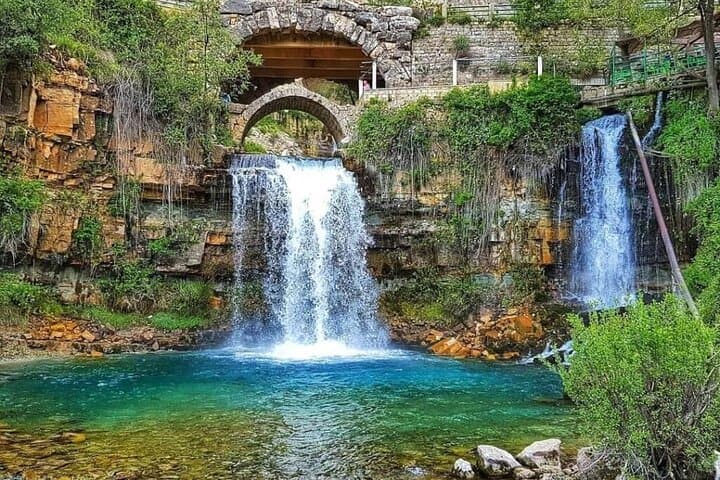
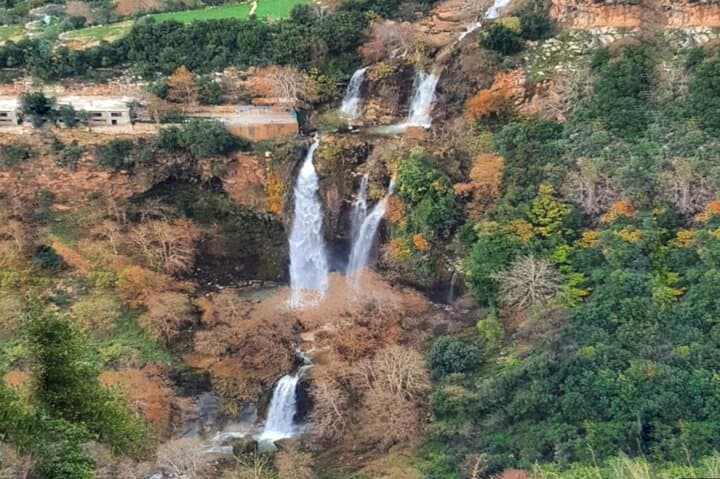
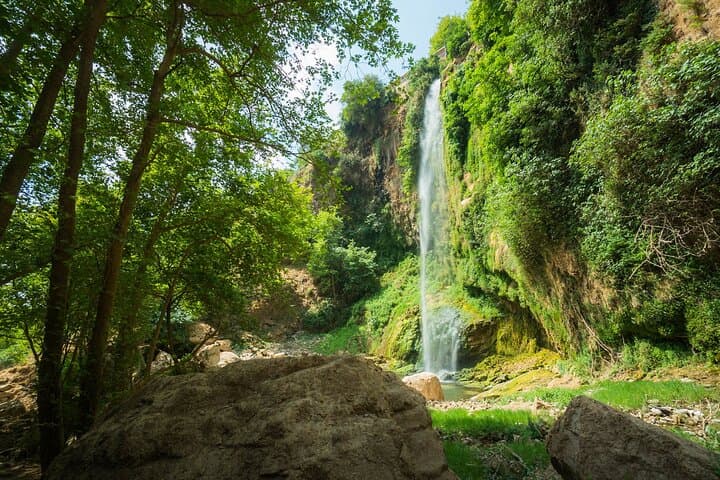
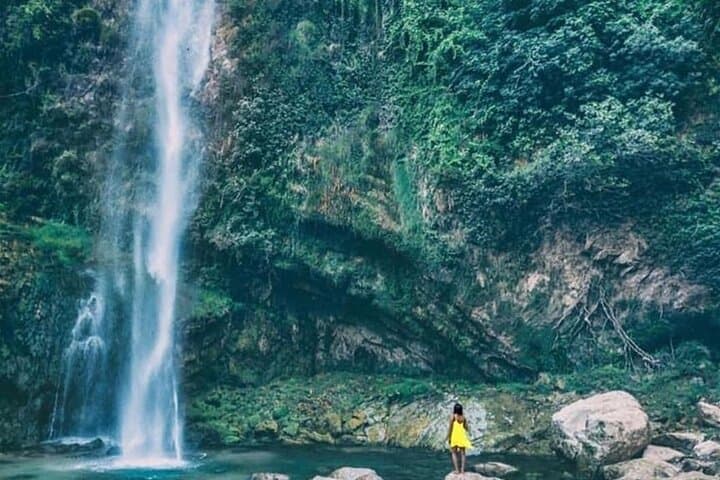
A cool Mediterranean morning lifts off Beirut as the minivan climbs into the Mount Lebanon spine, windows framing terraced orchards and limestone cliffs. Within an hour the roar of water replaces city noise: Afqa's spring bursts from a cave mouth, carving a green gorge below. Later, a sinkhole opens like a theatre for the Baatara Gorge waterfall, where water threads through three natural rock bridges. The day closes beside Kfarhelda’s gentle cascades and a village stream that invites quiet photos and short riverside walks.
Verified experiences and guided adventures in the surrounding area.
Operated by Zingy Ride · Beirut, Beirut Governorate
A cool Mediterranean morning lifts off Beirut as the minivan climbs into the Mount Lebanon spine, windows framing terraced orchards and limestone cliffs. Within an hour the roar of water replaces city noise: Afqa's spring bursts from a cave mouth, carving a green gorge below. Later, a sinkhole opens like a theatre for the Baatara Gorge waterfall, where water threads through three natural rock bridges. The day closes beside Kfarhelda’s gentle cascades and a village stream that invites quiet photos and short riverside walks.
These sites stitch together geology and myth. Afqa is linked in local lore to the Adonis story; its source springs from karstified limestone. Baatara Gorge is a classic karst sinkhole formed by collapsed caverns—its 255-foot drop and tri-level bridges are a rare geomorphic display. Kfarhelda sits on fertile alluvial terraces shaped by seasonal runoff and human agriculture, giving a softer contrast to the dramatic canyon.
Practical notes: the tour includes short, uneven hikes and photo stops; expect 6–8 hours round trip with pickup from Beirut. Footing around Baatara and Afqa can be slick; sturdy shoes and layered clothing are smart. Water flow is seasonal—Baatara often runs strongest in winter–spring and may be dry June–November—so time visits for peak runoff if photography or waterfalls are the primary goal.
Bring snacks, a refillable bottle, sun protection, and a compact rain shell. Respect village spaces, follow guides' safety briefings on cliff edges, and leave no trace—these water systems support local agriculture and communities downstream.
moderate.
6–8 hours.
Requires moderate fitness: short uphill sections, uneven rock steps, and standing at viewpoints for extended periods.
The tour is about 6–8 hours (480 minutes) with pickup and return to Beirut; exact pickup point is confirmed at booking.
No—Baatara’s waterfall is seasonal and often reduced or dry June–November; winter–spring typically provide the best flows.
Hikes are short but on uneven terrain; they require good balance but no technical climbing gear.
Swimming is occasionally possible at gentler rivers like Kfarhelda but depends on local conditions and guide advice; avoid swimming near strong currents or below high drops.
Afqa’s spring is woven into Lebanon’s ancient Adonis mythology; communities have long used mountain springs for irrigation and cultural rites.
Stay on marked paths and avoid introducing soaps or plastics to waterways—the springs and rivers feed downstream farms and local water supplies.
Zingy Ride operates guided outdoor trips and adventures with an emphasis on safety, stewardship, and memorable experiences.
A cool Mediterranean morning lifts off Beirut as the minivan climbs into the Mount Lebanon spine, windows framing terraced orchards and limestone cliffs. Within an hour the roar of water replaces city noise: Afqa's spring bursts from a cave mouth, carving a green gorge below. Later, a sinkhole opens like a theatre for the Baatara Gorge waterfall, where water threads through three natural rock bridges. The day closes beside Kfarhelda’s gentle cascades and a village stream that invites quiet photos and short riverside walks.
A cool Mediterranean morning lifts off Beirut as the minivan climbs into the Mount Lebanon spine, windows framing terraced orchards and limestone cliffs. Within an hour the roar of water replaces city noise: Afqa's spring bursts from a cave mouth, carving a green gorge below. Later, a sinkhole opens like a theatre for the Baatara Gorge waterfall, where water threads through three natural rock bridges. The day closes beside Kfarhelda’s gentle cascades and a village stream that invites quiet photos and short riverside walks.
These sites stitch together geology and myth. Afqa is linked in local lore to the Adonis story; its source springs from karstified limestone. Baatara Gorge is a classic karst sinkhole formed by collapsed caverns—its 255-foot drop and tri-level bridges are a rare geomorphic display. Kfarhelda sits on fertile alluvial terraces shaped by seasonal runoff and human agriculture, giving a softer contrast to the dramatic canyon.
Practical notes: the tour includes short, uneven hikes and photo stops; expect 6–8 hours round trip with pickup from Beirut. Footing around Baatara and Afqa can be slick; sturdy shoes and layered clothing are smart. Water flow is seasonal—Baatara often runs strongest in winter–spring and may be dry June–November—so time visits for peak runoff if photography or waterfalls are the primary goal.
Bring snacks, a refillable bottle, sun protection, and a compact rain shell. Respect village spaces, follow guides' safety briefings on cliff edges, and leave no trace—these water systems support local agriculture and communities downstream.