THE ADVENTURE COLLECTIVE® · Independent discovery and booking for outdoor travel

A half-day to full-day drive from Marrakech, this private High Atlas excursion visits Setti Fatma’s waterfalls and Sidi Faress village with a home-cooked Berber lunch. Expect easy walks, dramatic mountain views and direct cultural exchange with locals.
A half-day to full-day drive from Marrakech, this private High Atlas excursion visits Setti Fatma’s waterfalls and Sidi Faress village with a home-cooked Berber lunch. Expect easy walks, dramatic mountain views and direct cultural exchange with locals.
You leave Marrakech before the heat builds and the Atlas foothills roll into view—olive terraces, stone hamlets and a road that climbs and narrows until rivers and peaks begin to set the day’s pace. At Setti Fatma the cascade cuts the rock and dares you to follow its spray upriver; in Sidi Faress, children and goats watch from sun-warmed courtyards while a guide explains lineage and local trades.
Verified experiences and guided adventures in the surrounding area.
Operated by Ourika Trek · Marrakech, Marrakech-Safi
You leave Marrakech before the heat builds and the Atlas foothills roll into view—olive terraces, stone hamlets and a road that climbs and narrows until rivers and peaks begin to set the day’s pace. At Setti Fatma the cascade cuts the rock and dares you to follow its spray upriver; in Sidi Faress, children and goats watch from sun-warmed courtyards while a guide explains lineage and local trades.
This route threads through the southern High Atlas, shaped by volcanic activity and centuries of terraced agriculture. Villages here are predominantly Amazigh (Berber): stone houses, flat roofs, and community life centered on seasonal irrigation and shepherding. The picnic in a Sidi Faress home is as much cultural exchange as it is a meal—tagine, fresh bread, and mint tea served with stories about mountain life.
Expect short, mostly easy walks to viewpoints and to the base of waterfalls; some paths are rocky and uneven. The trip favors travelers who want culture and scenery without technical climbing—photography opportunities are frequent and the light late in the afternoon can sharpen the ridgelines.
Practical guidance: wear grippy shoes, carry a refillable water bottle, and bring a light layer—the temperature can drop suddenly in the shade or at higher elevation. Mobile signal is intermittent; cash is useful for small purchases and tips. If you plan the walk to higher cascades, allow extra time and move at a steady, measured pace to enjoy both views and village hospitality.
easy.
6–8 hours.
Suitable for travelers in average fitness: light walking with intermittent climbs on uneven terrain.
The tour runs approximately 6–8 hours depending on traffic, group pace and time spent at waterfalls and in villages.
Walks are short and generally easy, but paths to cascades are rocky and can be slippery; good footwear is recommended.
Yes — lunch in a Berber home in Sidi Faress is included and typically consists of seasonal tagine, bread and mint tea.
Mobile signal is intermittent in the valleys; plan for limited connectivity and bring cash for small purchases.
The High Atlas villages are traditionally Amazigh (Berber), with stone architecture and an agricultural system of stepped terraces shaped over centuries.
Water is scarce in the region—avoid wasting water, stick to marked paths to prevent erosion, and support local guides and homestays to benefit communities.
Ourika Trek operates guided outdoor trips and adventures with an emphasis on safety, stewardship, and memorable experiences.

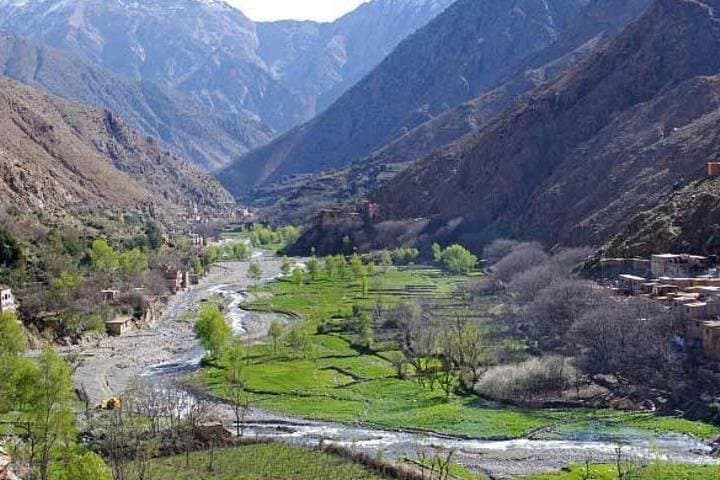
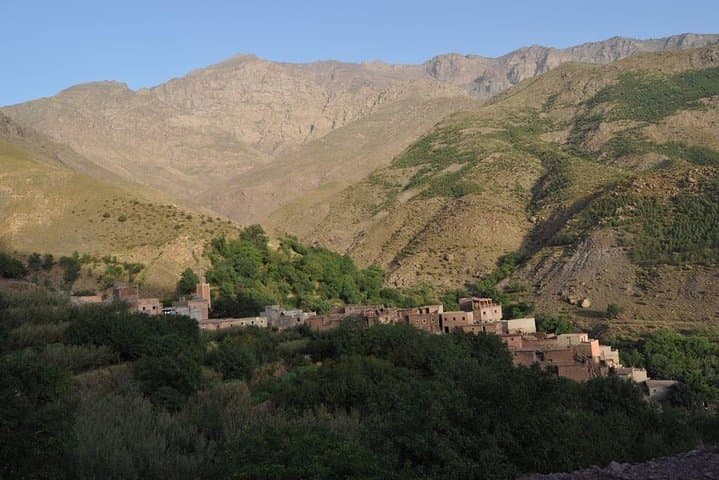
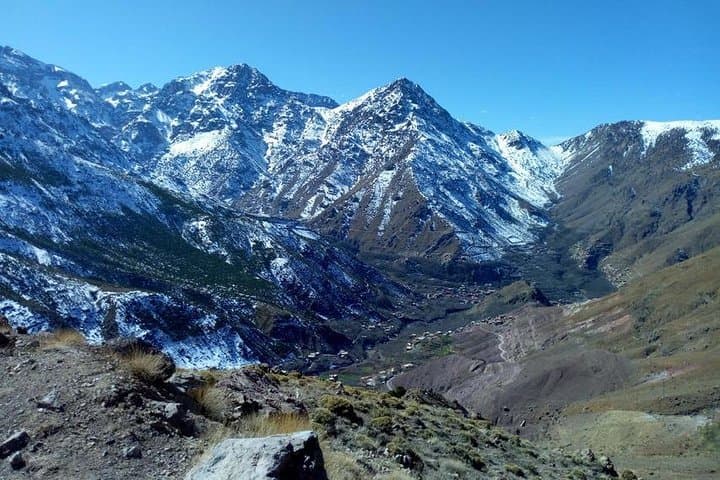
You leave Marrakech before the heat builds and the Atlas foothills roll into view—olive terraces, stone hamlets and a road that climbs and narrows until rivers and peaks begin to set the day’s pace. At Setti Fatma the cascade cuts the rock and dares you to follow its spray upriver; in Sidi Faress, children and goats watch from sun-warmed courtyards while a guide explains lineage and local trades.
You leave Marrakech before the heat builds and the Atlas foothills roll into view—olive terraces, stone hamlets and a road that climbs and narrows until rivers and peaks begin to set the day’s pace. At Setti Fatma the cascade cuts the rock and dares you to follow its spray upriver; in Sidi Faress, children and goats watch from sun-warmed courtyards while a guide explains lineage and local trades.
This route threads through the southern High Atlas, shaped by volcanic activity and centuries of terraced agriculture. Villages here are predominantly Amazigh (Berber): stone houses, flat roofs, and community life centered on seasonal irrigation and shepherding. The picnic in a Sidi Faress home is as much cultural exchange as it is a meal—tagine, fresh bread, and mint tea served with stories about mountain life.
Expect short, mostly easy walks to viewpoints and to the base of waterfalls; some paths are rocky and uneven. The trip favors travelers who want culture and scenery without technical climbing—photography opportunities are frequent and the light late in the afternoon can sharpen the ridgelines.
Practical guidance: wear grippy shoes, carry a refillable water bottle, and bring a light layer—the temperature can drop suddenly in the shade or at higher elevation. Mobile signal is intermittent; cash is useful for small purchases and tips. If you plan the walk to higher cascades, allow extra time and move at a steady, measured pace to enjoy both views and village hospitality.