THE ADVENTURE COLLECTIVE® · Independent discovery and booking for outdoor travel

Escape Marrakech for a full-day into the High Atlas: hike to Setti Fatma’s waterfalls, ride a camel in the Ourika Valley, and share riverside tagine with Berber hosts. Expect nine hours of easy-to-moderate walking, dramatic viewpoints, and vivid cultural encounters.
Escape Marrakech for a full-day into the High Atlas: hike to Setti Fatma’s waterfalls, ride a camel in the Ourika Valley, and share riverside tagine with Berber hosts. Expect nine hours of easy-to-moderate walking, dramatic viewpoints, and vivid cultural encounters.
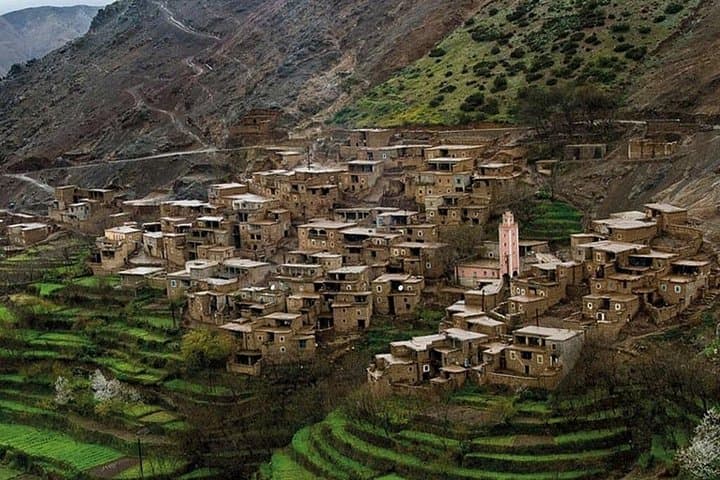
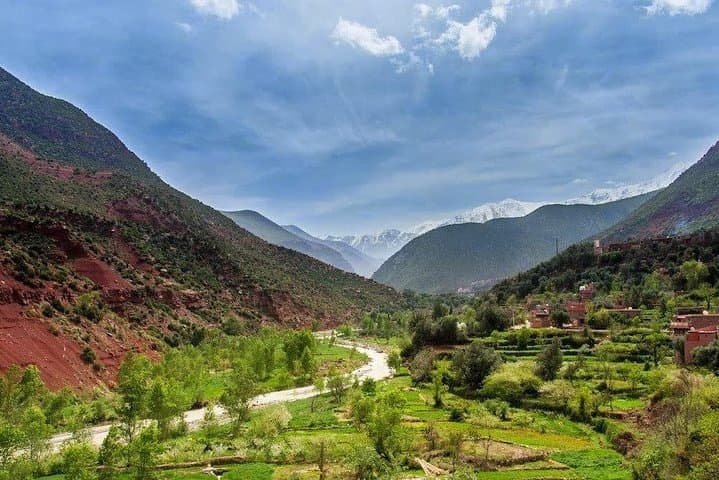
You leave Marrakech on a warm morning and the city’s clamor thins behind you as the road climbs toward the High Atlas. Olive groves give way to terraced fields, and the air sharpens—cooler, metallic with mountain rivers daring you forward. The minivan pulls into Ourika Valley; local women carry bundles of herbs while the river threads white rock and reed. A short walk leads to Setti Fatma and the chain of seven waterfalls, where spray and stone create a rhythm that pushes you uphill.
Verified experiences and guided adventures in the surrounding area.
Operated by Deep South Travel Marrakech · Marrakech, Marrakech-Safi
You leave Marrakech on a warm morning and the city’s clamor thins behind you as the road climbs toward the High Atlas. Olive groves give way to terraced fields, and the air sharpens—cooler, metallic with mountain rivers daring you forward. The minivan pulls into Ourika Valley; local women carry bundles of herbs while the river threads white rock and reed. A short walk leads to Setti Fatma and the chain of seven waterfalls, where spray and stone create a rhythm that pushes you uphill.
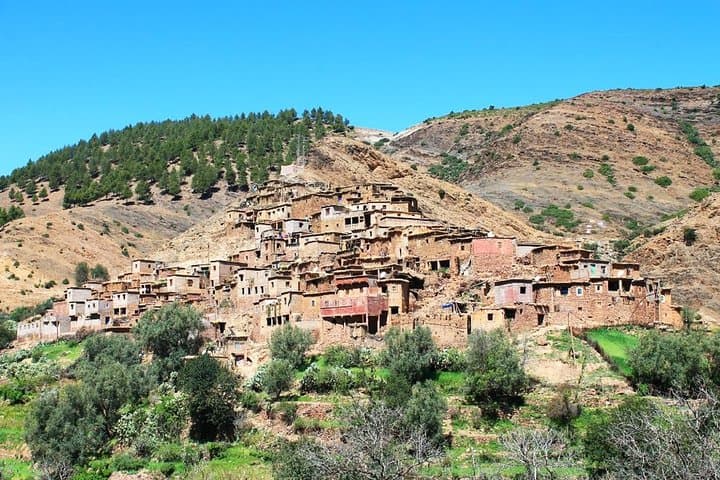
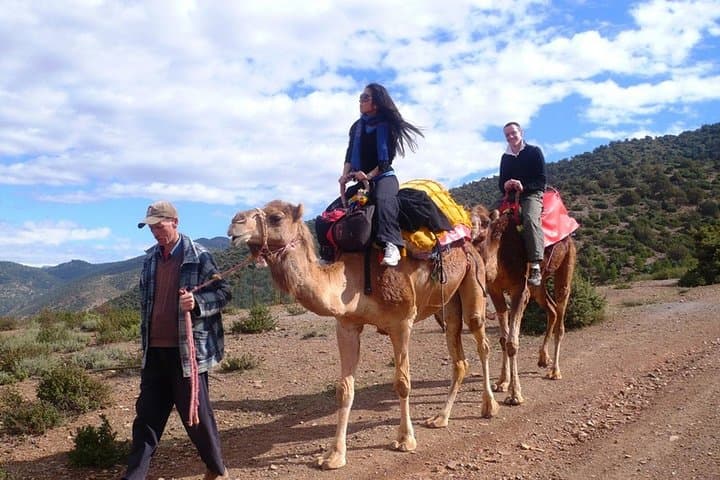
The Atlas Mountains are geologically young, uplifted by the African and Eurasian plates; their folded schist and granite create steep valleys that guided Berber settlement patterns for centuries. Culture here is hands-on—tea poured with practiced ceremony, stamped-steel kettles, and footpaths that connect villages rather than roads. Expect a camel ride on gentler valley slopes, a riverside lunch of tagine and zaalouk, and a pause on the Kik plateau for mint tea with locals and views over Lalla Takerkoust lake.
Practical guidance: this is a full-day, ~9-hour outing with several short hikes on uneven, sometimes rocky trails—good walking shoes are essential. Bring 1–2 liters of water, sun protection and light layers; mornings can be cool, afternoons hot. The hiking segments are moderate but family-friendly; guides provide local context and handle logistics. Keep small bills in dirhams for tips and hamlets’ shops, and follow Leave No Trace—water sources and fragile terraces are vulnerable. This trip balances accessible adventure with cultural contact, offering a compact but vivid slice of Atlas life.
moderate.
Approx. 9 hours.
Suitable for people who can walk 2–4 miles on uneven terrain and handle a full day out; basic endurance required
No—walks are short to moderate on uneven terrain; the guide keeps to accessible routes, but basic mobility and comfortable footwear are recommended.
Yes—camel rides in the valley are short and controlled, though infants must sit on an adult’s lap and operators recommend caution for very young children.
Lunch at a riverside restaurant is included; drinks like extra soft beverages or alcohol may not be—bring cash for extras.
Yes—pick up and drop off from Marrakech hotels/riads is typically included; confirm exact pickup location at booking.
Berber (Amazigh) communities have inhabited the High Atlas for millennia; valleys like Ourika were important seasonal grazing and terrace-farming zones linked by footpaths.
The region faces pressure from water use and informal trail erosion; support local guides, avoid single-use plastics, and stay on established paths to reduce impact.
Deep South Travel Marrakech operates guided outdoor trips and adventures with an emphasis on safety, stewardship, and memorable experiences.
You leave Marrakech on a warm morning and the city’s clamor thins behind you as the road climbs toward the High Atlas. Olive groves give way to terraced fields, and the air sharpens—cooler, metallic with mountain rivers daring you forward. The minivan pulls into Ourika Valley; local women carry bundles of herbs while the river threads white rock and reed. A short walk leads to Setti Fatma and the chain of seven waterfalls, where spray and stone create a rhythm that pushes you uphill.
You leave Marrakech on a warm morning and the city’s clamor thins behind you as the road climbs toward the High Atlas. Olive groves give way to terraced fields, and the air sharpens—cooler, metallic with mountain rivers daring you forward. The minivan pulls into Ourika Valley; local women carry bundles of herbs while the river threads white rock and reed. A short walk leads to Setti Fatma and the chain of seven waterfalls, where spray and stone create a rhythm that pushes you uphill.
The Atlas Mountains are geologically young, uplifted by the African and Eurasian plates; their folded schist and granite create steep valleys that guided Berber settlement patterns for centuries. Culture here is hands-on—tea poured with practiced ceremony, stamped-steel kettles, and footpaths that connect villages rather than roads. Expect a camel ride on gentler valley slopes, a riverside lunch of tagine and zaalouk, and a pause on the Kik plateau for mint tea with locals and views over Lalla Takerkoust lake.
Practical guidance: this is a full-day, ~9-hour outing with several short hikes on uneven, sometimes rocky trails—good walking shoes are essential. Bring 1–2 liters of water, sun protection and light layers; mornings can be cool, afternoons hot. The hiking segments are moderate but family-friendly; guides provide local context and handle logistics. Keep small bills in dirhams for tips and hamlets’ shops, and follow Leave No Trace—water sources and fragile terraces are vulnerable. This trip balances accessible adventure with cultural contact, offering a compact but vivid slice of Atlas life.