THE ADVENTURE COLLECTIVE® · Independent discovery and booking for outdoor travel

A full-day circuit from Marrakech that connects Ourika, Imlil and Asni—three contrasting Atlas valleys of rushing streams, terraced farms and Berber villages. Expect short hikes, cultural stops and sweeping mountain views.
A full-day circuit from Marrakech that connects Ourika, Imlil and Asni—three contrasting Atlas valleys of rushing streams, terraced farms and Berber villages. Expect short hikes, cultural stops and sweeping mountain views.
You leave the mosaic streets of Marrakech and the city’s heat peels away as the road climbs toward the High Atlas. The air sharpens; olive groves and almond trees band the slopes while the Atlas Mountains loom like a sequence of weathered ramparts. Rivers cut bright ribbons through the valleys, and mountain trails invite exploration.
Verified experiences and guided adventures in the surrounding area.
Operated by carresa.com · Marrakech, Marrakesh-Safi
You leave the mosaic streets of Marrakech and the city’s heat peels away as the road climbs toward the High Atlas. The air sharpens; olive groves and almond trees band the slopes while the Atlas Mountains loom like a sequence of weathered ramparts. Rivers cut bright ribbons through the valleys, and mountain trails invite exploration.
The Three Valleys route links Ourika, Imlil and Asni—each valley a different chapter of mountain life. Geologically, these valleys are carved from ancient sedimentary and volcanic layers folded by tectonic uplift; streams have gouged gorges and left terraced fields that Berber communities have farmed for centuries. Culture here is visible: stone houses, flat-roofed granaries and souks where walnuts and apples appear with the season. Guides often point out traditional irrigation channels (seguias) and tell stories of mountain clans whose rhythms follow harvests and snowfall.
Expect short hikes along marked tracks, village stops for mint tea, and viewpoints that open on snow-capped peaks in winter or sun-dulled plateaus in summer. The Kik plateau offers wide panoramas; Imlil provides access to higher trails; Ourika’s waterfalls are a quick, refreshing detour.
Practical guidance: travel by 4x4 or minibus on winding mountain roads—motion-sickness precautions help. Wear sturdy shoes for rocky, uneven trails and layers for temperature swings. Carry water, a small first-aid kit and local currency for village purchases. Plan the day early to avoid afternoon heat and allow time for unhurried walks in each valley.
moderate.
8 hours.
Suitable for travelers in average physical condition; involves multiple short to moderate hikes with uneven footing.
The tour is typically an 8-hour round trip, with about 1–2 hours spent at each main valley stop and travel between sites accounting for the remainder.
Hikes are generally short and moderate—well-marked village paths and waterfall approaches—though some sections are steep or rocky.
Yes; the tour accommodates varied fitness levels, but participants should be able to manage uneven ground and vehicle transfers on winding roads.
Local guides provide cultural context and navigation; while village paths are visible, a guide enhances safety and the experience.
The valleys have long been inhabited by Amazigh (Berber) communities whose agriculture and irrigation techniques date back centuries; many villages retain traditional stone architecture and communal fruit terraces.
Visitors should stick to trails, carry out waste and avoid feeding wildlife; water and firewood are limited resources and local guides emphasize low-impact travel.
carresa.com operates guided outdoor trips and adventures with an emphasis on safety, stewardship, and memorable experiences.
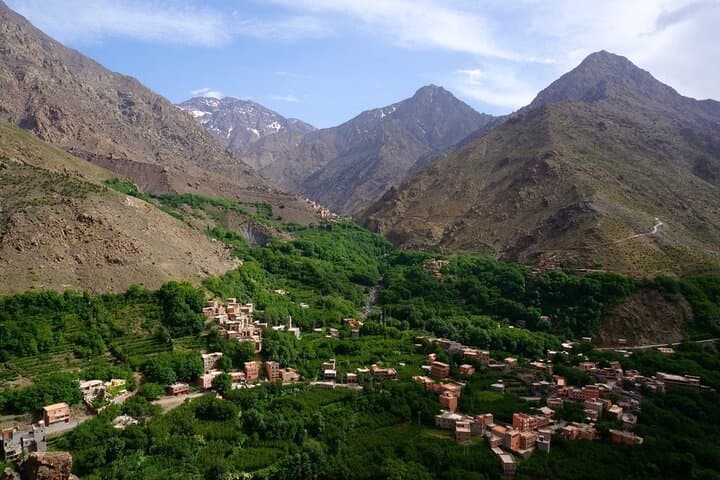
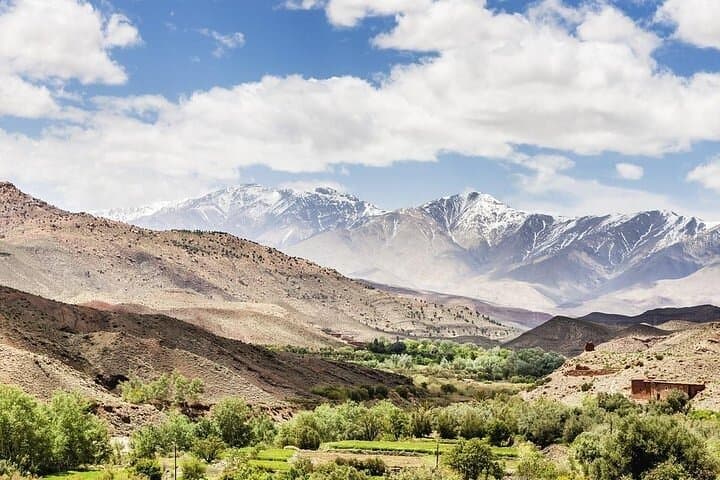
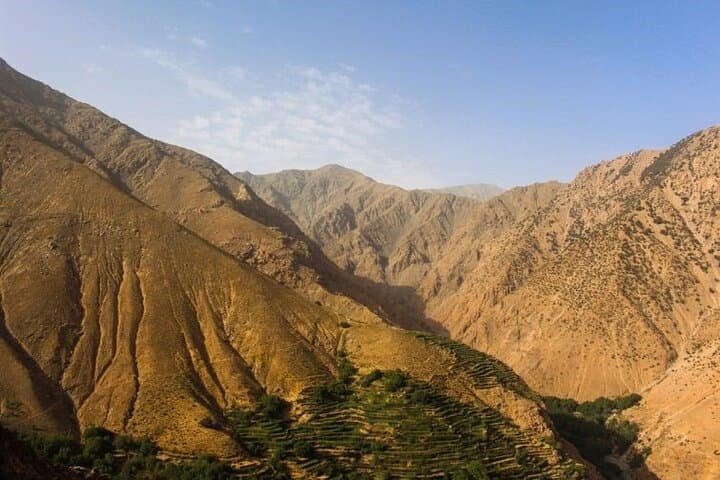
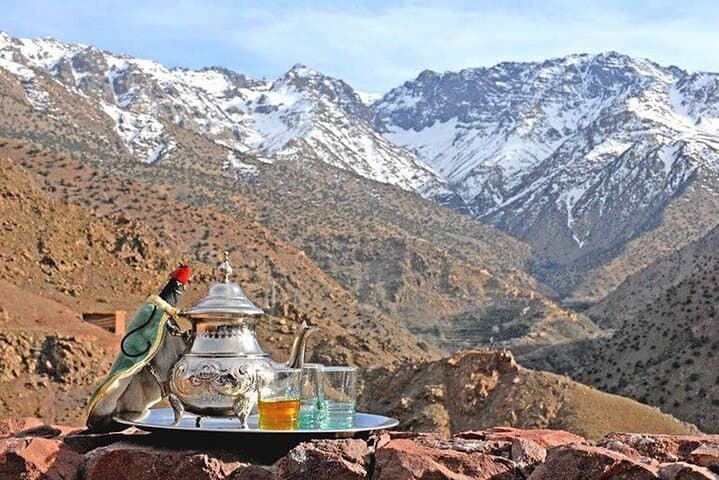
You leave the mosaic streets of Marrakech and the city’s heat peels away as the road climbs toward the High Atlas. The air sharpens; olive groves and almond trees band the slopes while the Atlas Mountains loom like a sequence of weathered ramparts. Rivers cut bright ribbons through the valleys, and mountain trails invite exploration.
You leave the mosaic streets of Marrakech and the city’s heat peels away as the road climbs toward the High Atlas. The air sharpens; olive groves and almond trees band the slopes while the Atlas Mountains loom like a sequence of weathered ramparts. Rivers cut bright ribbons through the valleys, and mountain trails invite exploration.
The Three Valleys route links Ourika, Imlil and Asni—each valley a different chapter of mountain life. Geologically, these valleys are carved from ancient sedimentary and volcanic layers folded by tectonic uplift; streams have gouged gorges and left terraced fields that Berber communities have farmed for centuries. Culture here is visible: stone houses, flat-roofed granaries and souks where walnuts and apples appear with the season. Guides often point out traditional irrigation channels (seguias) and tell stories of mountain clans whose rhythms follow harvests and snowfall.
Expect short hikes along marked tracks, village stops for mint tea, and viewpoints that open on snow-capped peaks in winter or sun-dulled plateaus in summer. The Kik plateau offers wide panoramas; Imlil provides access to higher trails; Ourika’s waterfalls are a quick, refreshing detour.
Practical guidance: travel by 4x4 or minibus on winding mountain roads—motion-sickness precautions help. Wear sturdy shoes for rocky, uneven trails and layers for temperature swings. Carry water, a small first-aid kit and local currency for village purchases. Plan the day early to avoid afternoon heat and allow time for unhurried walks in each valley.