THE ADVENTURE COLLECTIVE® · Independent discovery and booking for outdoor travel

Spend a day trading Marrakech’s bustle for the High Atlas: three valleys, a waterfall walk with a local guide, Berber hospitality, and a scenic camel ride. This accessible day trip blends culture, geology, and easy adventure in one full outing.
Spend a day trading Marrakech’s bustle for the High Atlas: three valleys, a waterfall walk with a local guide, Berber hospitality, and a scenic camel ride. This accessible day trip blends culture, geology, and easy adventure in one full outing.
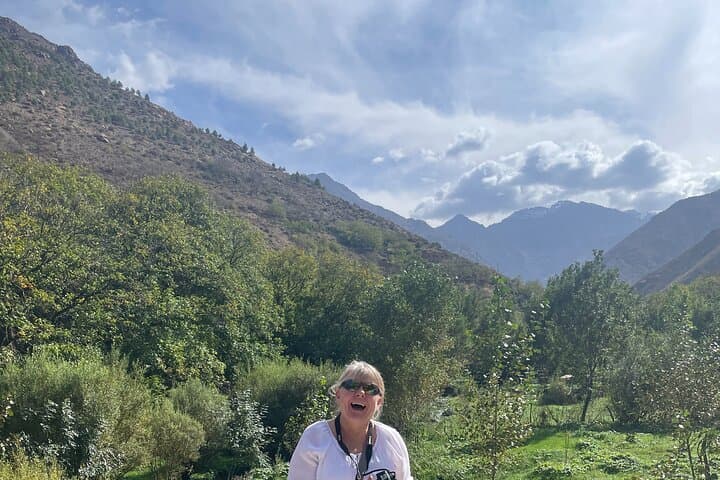
You leave Marrakech while the city is still rubbing sleep from its eyes, the medina shrinking behind you as the road tilts toward the High Atlas. Olive groves and terraced orchards slide past the window; distant peaks pin snow like a crown to the skyline. By mid-morning you’re walking with a local guide through Imlil’s mule tracks, the waterfall daring you to come closer while spray cools the air.
Verified experiences and guided adventures in the surrounding area.
Operated by Best Maroc Tours · Marrakech, Marrakech-Safi
You leave Marrakech while the city is still rubbing sleep from its eyes, the medina shrinking behind you as the road tilts toward the High Atlas. Olive groves and terraced orchards slide past the window; distant peaks pin snow like a crown to the skyline. By mid-morning you’re walking with a local guide through Imlil’s mule tracks, the waterfall daring you to come closer while spray cools the air.
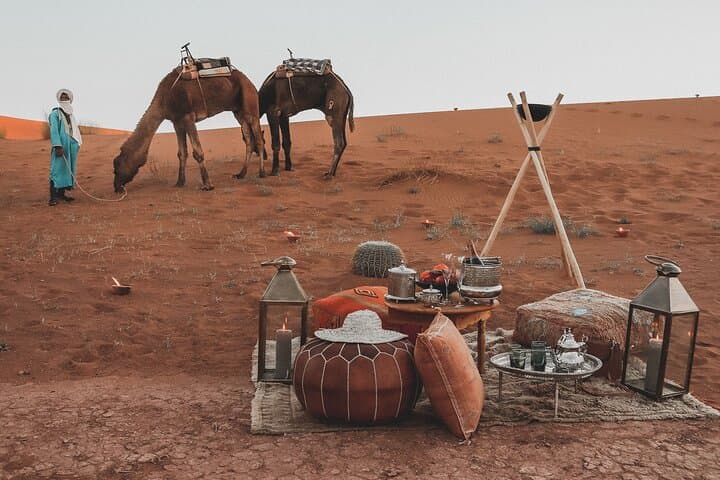
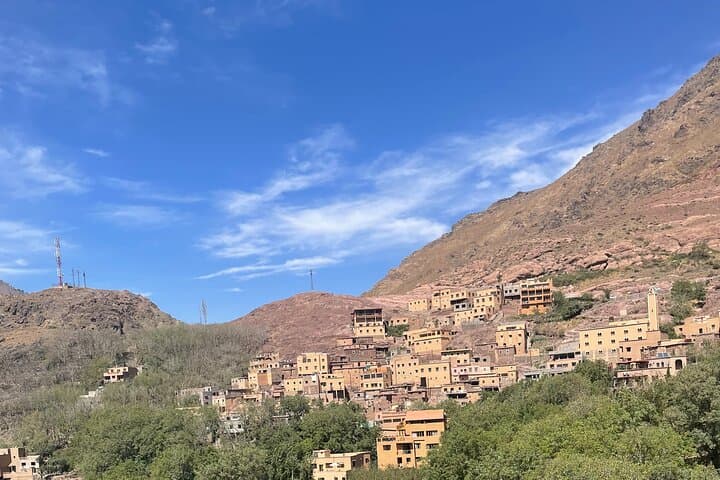
The Three Valleys—Ourika, Asni, and Imlil—trace a living map of geology and culture. These valleys were carved as Africa pushed north, folding rock into sharp ridges and bowl-shaped basins. Berber villages cling to the slopes; generations have farmed the terraces and pressed argan and fruit from the land. A stop in a Berber home offers mint tea and tagine, the rhythms of hospitality as practical as they are warm.
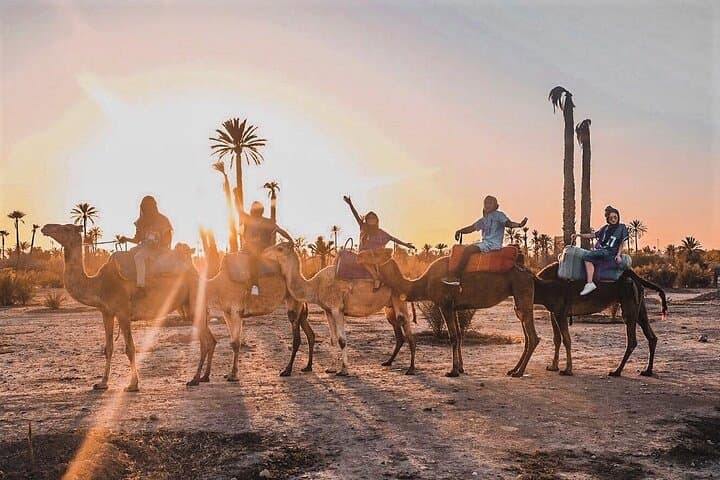
The route combines gentle village walks, a guided waterfall approach in Imlil, and a short camel ride on the Kik Plateau—each element designed for a full but accessible day. Expect dirt tracks, stone steps, and short slick sections near the falls; comfortable shoes and steady footing matter.
Practical notes: this is a 7–8 hour outing with air-conditioned transport and a small-group format. Start early to beat heat and crowds; bring layered clothing for mountain microclimates, at least 1.5–2 liters of water, sun protection, and a compact rain layer. Respect private properties, ask before photographing families, and be ready for a day that mixes culture, mild hiking, and wide mountain views.
moderate.
7–8 hours.
Suitable for travelers with moderate fitness—able to walk 2–4 miles on uneven terrain and short uphill sections.
The full excursion runs about 7–8 hours door-to-door with air-conditioned transport and multiple stops in the three valleys.
No—the guided walk to Imlil’s waterfalls is gentle to moderate with short uphill sections and some uneven, possibly slippery, terrain.
Yes—lunch with a Berber family is included, typically a tagine or couscous with vegetarian options available on request.
The short camel ride is gentle and designed for most ages, but inform the operator of mobility concerns so they can make accommodations.
The High Atlas has long been home to Amazigh (Berber) communities whose terraced agriculture and stone homes reflect centuries of adaptation to steep terrain.
Tourism is concentrated to limit impact—stick to trails, avoid feeding wildlife, and support families who use sustainable, locally sourced food for guest meals.
Best Maroc Tours operates guided outdoor trips and adventures with an emphasis on safety, stewardship, and memorable experiences.
You leave Marrakech while the city is still rubbing sleep from its eyes, the medina shrinking behind you as the road tilts toward the High Atlas. Olive groves and terraced orchards slide past the window; distant peaks pin snow like a crown to the skyline. By mid-morning you’re walking with a local guide through Imlil’s mule tracks, the waterfall daring you to come closer while spray cools the air.
You leave Marrakech while the city is still rubbing sleep from its eyes, the medina shrinking behind you as the road tilts toward the High Atlas. Olive groves and terraced orchards slide past the window; distant peaks pin snow like a crown to the skyline. By mid-morning you’re walking with a local guide through Imlil’s mule tracks, the waterfall daring you to come closer while spray cools the air.
The Three Valleys—Ourika, Asni, and Imlil—trace a living map of geology and culture. These valleys were carved as Africa pushed north, folding rock into sharp ridges and bowl-shaped basins. Berber villages cling to the slopes; generations have farmed the terraces and pressed argan and fruit from the land. A stop in a Berber home offers mint tea and tagine, the rhythms of hospitality as practical as they are warm.
The route combines gentle village walks, a guided waterfall approach in Imlil, and a short camel ride on the Kik Plateau—each element designed for a full but accessible day. Expect dirt tracks, stone steps, and short slick sections near the falls; comfortable shoes and steady footing matter.
Practical notes: this is a 7–8 hour outing with air-conditioned transport and a small-group format. Start early to beat heat and crowds; bring layered clothing for mountain microclimates, at least 1.5–2 liters of water, sun protection, and a compact rain layer. Respect private properties, ask before photographing families, and be ready for a day that mixes culture, mild hiking, and wide mountain views.