THE ADVENTURE COLLECTIVE® · Independent discovery and booking for outdoor travel

Leave Marrakech behind for a one-day sweep through the Ourika, Asni and Kik plateaus—Berber villages, an aromatic garden visit, Setti Fatma waterfalls and a short camel ride combine culture and mountain scenery in a single, well-paced day trip.
Leave Marrakech behind for a one-day sweep through the Ourika, Asni and Kik plateaus—Berber villages, an aromatic garden visit, Setti Fatma waterfalls and a short camel ride combine culture and mountain scenery in a single, well-paced day trip.
The morning light has not yet faded from Marrakech when your private driver nudges the road toward the High Atlas. By the time you crest the first ridge the city’s heat gives way to a dry, pine-scented air; villages of sunbaked stone and adobe slide past like chapters in a local history book. A single-humped camel waits at a rural stop, patient as the terraces and trails that shaped these valleys for centuries.
Verified experiences and guided adventures in the surrounding area.
Operated by Rana Holidays · Marrakech, Marrakech-Safi
The morning light has not yet faded from Marrakech when your private driver nudges the road toward the High Atlas. By the time you crest the first ridge the city’s heat gives way to a dry, pine-scented air; villages of sunbaked stone and adobe slide past like chapters in a local history book. A single-humped camel waits at a rural stop, patient as the terraces and trails that shaped these valleys for centuries.
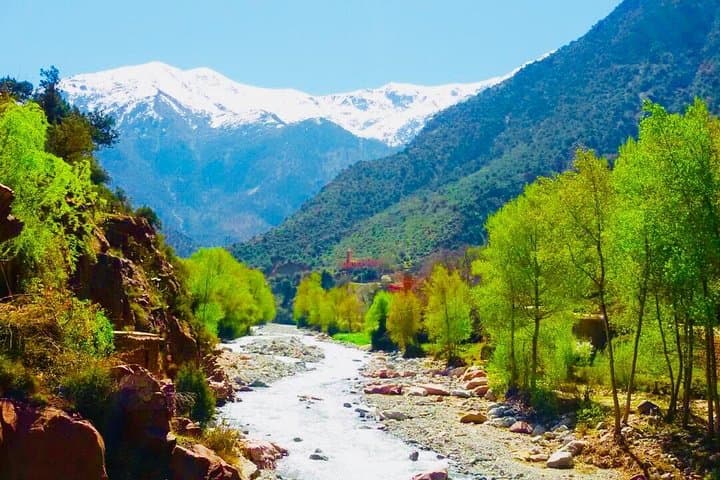
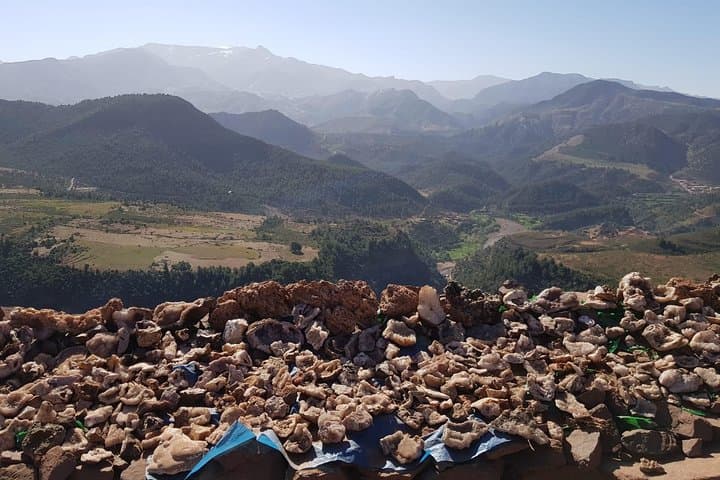
Geology here is blunt and immediate: folded schist and volcanic outcrops rising into peaks that catch winter snow. The Kik Plateau perches above 1,800 meters, a wide shelf of grass and rock that frames views back across Asni Valley. Culturally, this route threads small Berber settlements where mint tea is both greeting and custom; many families still work terraced plots and use medicinal plants gathered from the Ourika gardens.
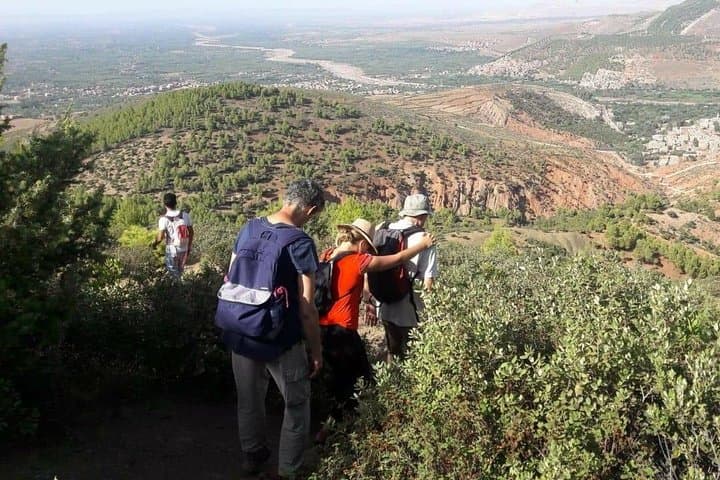
Expect several short walks and photo stops, a chance to sip tea in a family home, a visit to an aromatic garden, and a riverside lunch near the Setti Fatma waterfalls. Terrain is paved to dirt roads with short unpaved stretches; elevation changes are gentle compared with alpine treks but watch for loose rock on village lanes.
Practical tips: start early to avoid midday heat, bring sun protection and layers for higher elevations, carry cash for small purchases and tips, and confirm pickup details with your operator. The day pairs easy cultural access with tangible mountain scenery—an efficient way to feel the Atlas without committing to multi-day trekking.
moderate.
6–8 hours.
Suitable for travelers in average physical condition; includes short walks and light climbs but no sustained trekking.
The camel riding portion is typically a short, 15–30 minute experience designed for photos and a taste of local tradition rather than long desert treks.
Yes—routes are rated easy to moderate; the tour notes stroller accessibility and infant seats, but travelers with significant cardiovascular issues should avoid it.
Tea and coffee are included; a riverside lunch is often offered at an extra cost—confirm with the operator before booking.
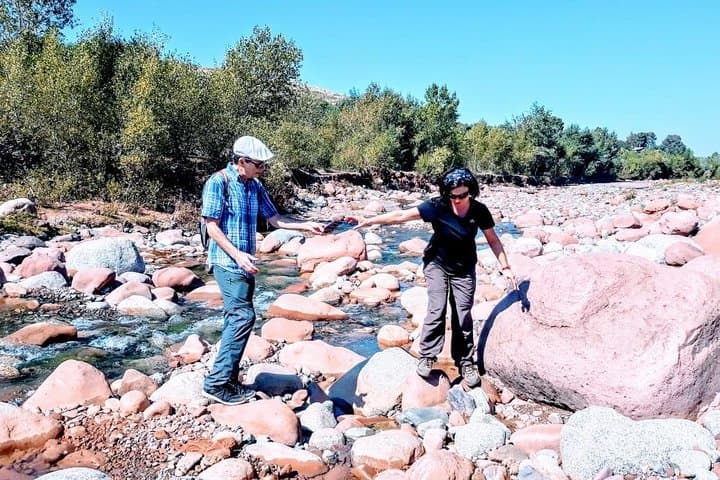
Yes; the itinerary includes a stop at Setti Fatma waterfalls with time for short walks near the river; paths can be uneven and slippery.
The High Atlas corridors served as trade and cultural routes for Berber communities for centuries; many villages still reflect traditional stone and adobe construction.
Tourism here impacts small rural communities and fragile mountain ecosystems—stick to paths, avoid single-use plastics, and support local guides and family-run stops.
Rana Holidays operates guided outdoor trips and adventures with an emphasis on safety, stewardship, and memorable experiences.
The morning light has not yet faded from Marrakech when your private driver nudges the road toward the High Atlas. By the time you crest the first ridge the city’s heat gives way to a dry, pine-scented air; villages of sunbaked stone and adobe slide past like chapters in a local history book. A single-humped camel waits at a rural stop, patient as the terraces and trails that shaped these valleys for centuries.
The morning light has not yet faded from Marrakech when your private driver nudges the road toward the High Atlas. By the time you crest the first ridge the city’s heat gives way to a dry, pine-scented air; villages of sunbaked stone and adobe slide past like chapters in a local history book. A single-humped camel waits at a rural stop, patient as the terraces and trails that shaped these valleys for centuries.
Geology here is blunt and immediate: folded schist and volcanic outcrops rising into peaks that catch winter snow. The Kik Plateau perches above 1,800 meters, a wide shelf of grass and rock that frames views back across Asni Valley. Culturally, this route threads small Berber settlements where mint tea is both greeting and custom; many families still work terraced plots and use medicinal plants gathered from the Ourika gardens.
Expect several short walks and photo stops, a chance to sip tea in a family home, a visit to an aromatic garden, and a riverside lunch near the Setti Fatma waterfalls. Terrain is paved to dirt roads with short unpaved stretches; elevation changes are gentle compared with alpine treks but watch for loose rock on village lanes.
Practical tips: start early to avoid midday heat, bring sun protection and layers for higher elevations, carry cash for small purchases and tips, and confirm pickup details with your operator. The day pairs easy cultural access with tangible mountain scenery—an efficient way to feel the Atlas without committing to multi-day trekking.