THE ADVENTURE COLLECTIVE® · Independent discovery and booking for outdoor travel

A full-day trek from Marrakech into the High Atlas that links Ait Mizan, Targa, Imoula and Ait Souka — with mint tea, terraced fields and a Berber home lunch. Expect 2–3 hours of uphill hiking, rocky mule tracks and broad valley views.
A full-day trek from Marrakech into the High Atlas that links Ait Mizan, Targa, Imoula and Ait Souka — with mint tea, terraced fields and a Berber home lunch. Expect 2–3 hours of uphill hiking, rocky mule tracks and broad valley views.
Dust from the road falls away as the High Atlas opens into terraced fields and stone hamlets. You step out of the van at Imlil and the valley breathes around you — a ribbon of irrigation channels, walnut trees, and flat-roofed houses stacked on steep slopes. The hike threads from village to village: Ait Mizan, Targa and Imoula, climbing to Armed and on to Ait Souka where mint tea and a family lunch await.
Verified experiences and guided adventures in the surrounding area.
Operated by Desertbrise Travel · Imlil, Marrakech-Safi
Dust from the road falls away as the High Atlas opens into terraced fields and stone hamlets. You step out of the van at Imlil and the valley breathes around you — a ribbon of irrigation channels, walnut trees, and flat-roofed houses stacked on steep slopes. The hike threads from village to village: Ait Mizan, Targa and Imoula, climbing to Armed and on to Ait Souka where mint tea and a family lunch await.
This landscape is shaped by volcanic and sedimentary rock folded by tectonic uplift; centuries of Berber agriculture carved terraces and irrigation channels into the slopes. The people here maintain a living mountain culture — Amazigh language, seasonal orchards, and homestay hospitality that’s remained consistent even as visitors arrive from Marrakech.
On trail you’ll cover uneven, rocky footpaths and stone-paved mule tracks, typically 2–3 hours of ascent (roughly 4–7 km depending on route) with several hundred meters of elevation gain; descent follows gentler valley tracks. Expect open, sun-exposed sections and shaded stretches through apricot and cherry trees.
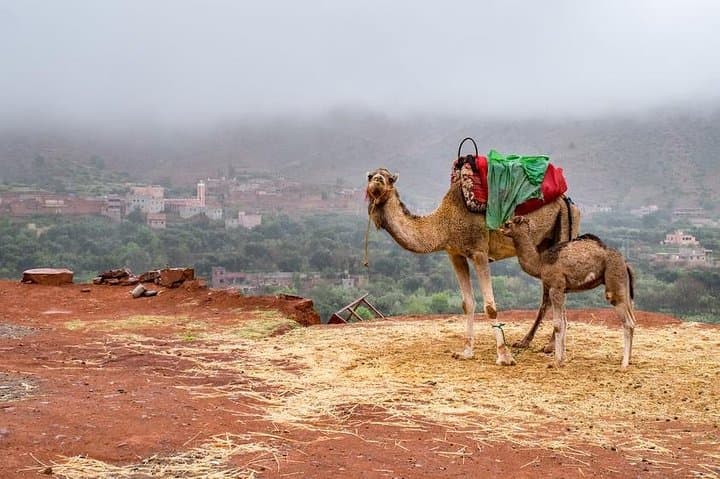
Practical edge: start early to avoid midday heat, pack layered clothing for cool mountain mornings and warmer afternoons, and bring cash for small purchases. The trip commonly includes an air-conditioned transfer, bottled water, a guide, and lunch in a Berber home; a short camel ride may be offered elsewhere on the full tour. Moderate fitness and steady footing are required, but no technical climbing skills are needed. The reward is direct contact with highland life and wide valley views within a day-trip from Marrakech.
moderate.
8 hours (full tour including transfers).
Should be comfortable walking on uneven terrain for several hours with moderate elevation gain
The walking portion is typically 2–3 hours uphill to reach the high village areas, with additional time for downhill return and transfers to/from Marrakech — expect a full 8-hour day.
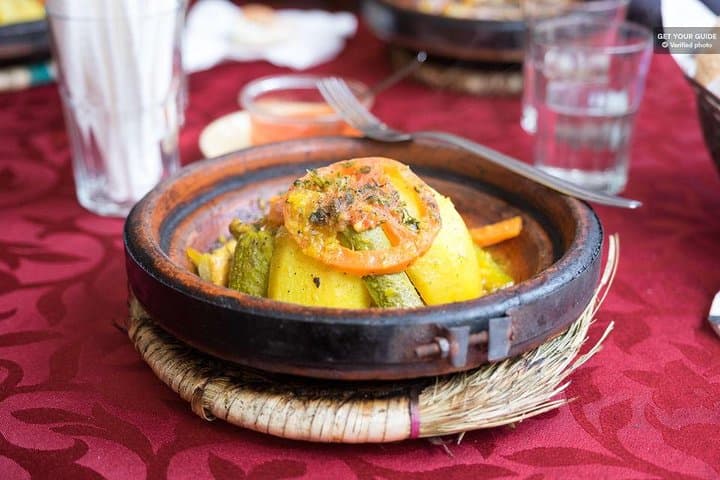
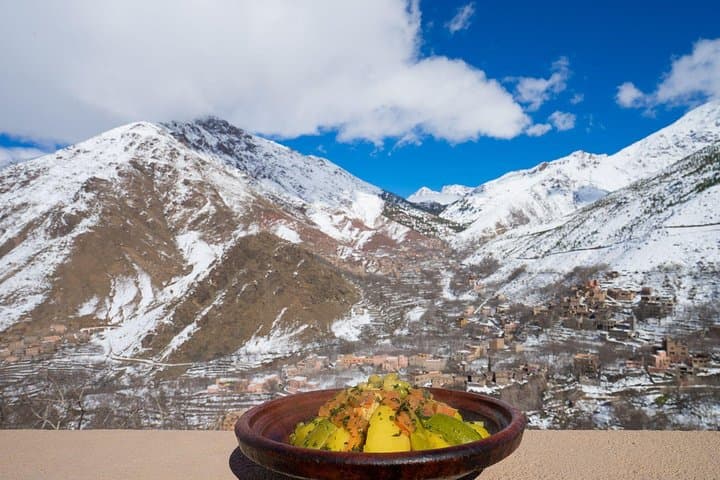
Yes — lunch is usually provided in a Berber family home and features local dishes, mint tea and seasonal produce; notify operators of dietary restrictions when booking.
No technical experience is required, but moderate fitness and comfort on uneven, sometimes steep trails is recommended.
Yes — the tour typically includes an English-speaking guide and air-conditioned transfers between Marrakech and the trek start point.
The High Atlas has been inhabited by Amazigh (Berber) communities for millennia; terraced agriculture and stone villages reflect long-standing mountain subsistence patterns.
Stick to marked paths and avoid taking water from irrigation channels; support local families by minimizing waste and using local guides to reduce impact.
Desertbrise Travel operates guided outdoor trips and adventures with an emphasis on safety, stewardship, and memorable experiences.
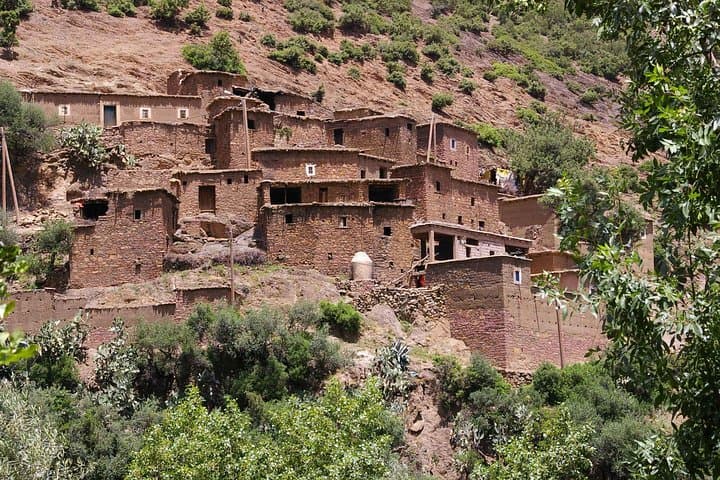
Dust from the road falls away as the High Atlas opens into terraced fields and stone hamlets. You step out of the van at Imlil and the valley breathes around you — a ribbon of irrigation channels, walnut trees, and flat-roofed houses stacked on steep slopes. The hike threads from village to village: Ait Mizan, Targa and Imoula, climbing to Armed and on to Ait Souka where mint tea and a family lunch await.
Dust from the road falls away as the High Atlas opens into terraced fields and stone hamlets. You step out of the van at Imlil and the valley breathes around you — a ribbon of irrigation channels, walnut trees, and flat-roofed houses stacked on steep slopes. The hike threads from village to village: Ait Mizan, Targa and Imoula, climbing to Armed and on to Ait Souka where mint tea and a family lunch await.
This landscape is shaped by volcanic and sedimentary rock folded by tectonic uplift; centuries of Berber agriculture carved terraces and irrigation channels into the slopes. The people here maintain a living mountain culture — Amazigh language, seasonal orchards, and homestay hospitality that’s remained consistent even as visitors arrive from Marrakech.
On trail you’ll cover uneven, rocky footpaths and stone-paved mule tracks, typically 2–3 hours of ascent (roughly 4–7 km depending on route) with several hundred meters of elevation gain; descent follows gentler valley tracks. Expect open, sun-exposed sections and shaded stretches through apricot and cherry trees.
Practical edge: start early to avoid midday heat, pack layered clothing for cool mountain mornings and warmer afternoons, and bring cash for small purchases. The trip commonly includes an air-conditioned transfer, bottled water, a guide, and lunch in a Berber home; a short camel ride may be offered elsewhere on the full tour. Moderate fitness and steady footing are required, but no technical climbing skills are needed. The reward is direct contact with highland life and wide valley views within a day-trip from Marrakech.