THE ADVENTURE COLLECTIVE® · Independent discovery and booking for outdoor travel

Explore three compact 14th-century temples and a village spice trail in a single day. This guided loop combines carved timber architecture, spice gardens, and a traditional village lunch just outside Kandy.
Explore three compact 14th-century temples and a village spice trail in a single day. This guided loop combines carved timber architecture, spice gardens, and a traditional village lunch just outside Kandy.
Morning light breaks over the central highlands and the first stone temple emerges from mist—an angular silhouette of carved pillars and tiled roofs that have watched rice fields and roads change for six centuries.
Verified experiences and guided adventures in the surrounding area.
Operated by Ceylon Travel Dream · Kandy, Central Province
Morning light breaks over the central highlands and the first stone temple emerges from mist—an angular silhouette of carved pillars and tiled roofs that have watched rice fields and roads change for six centuries.
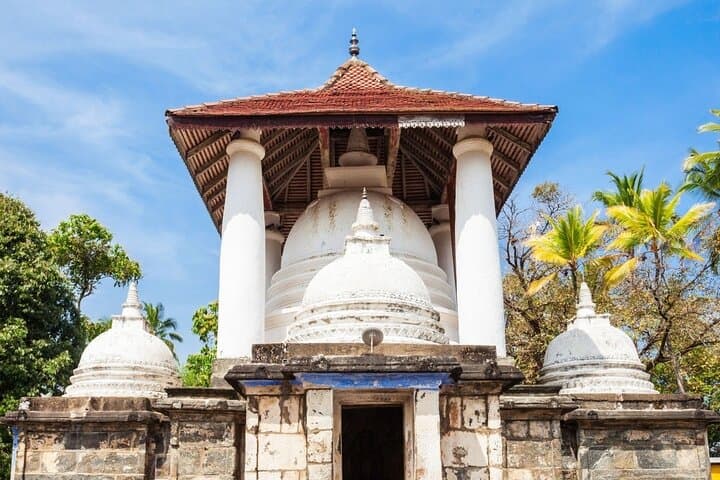
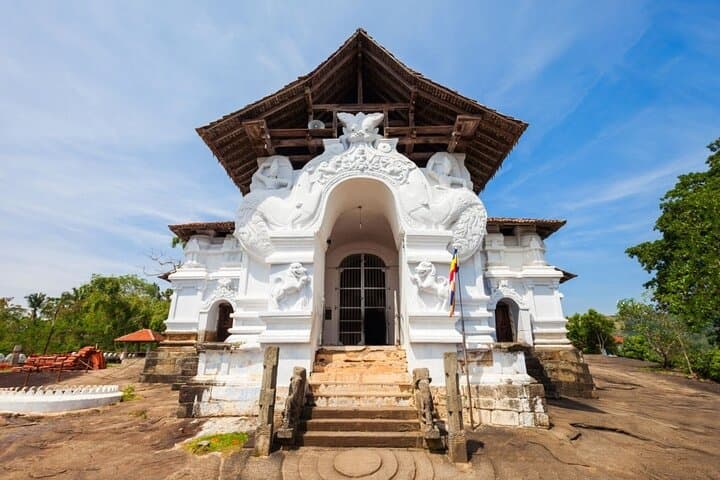
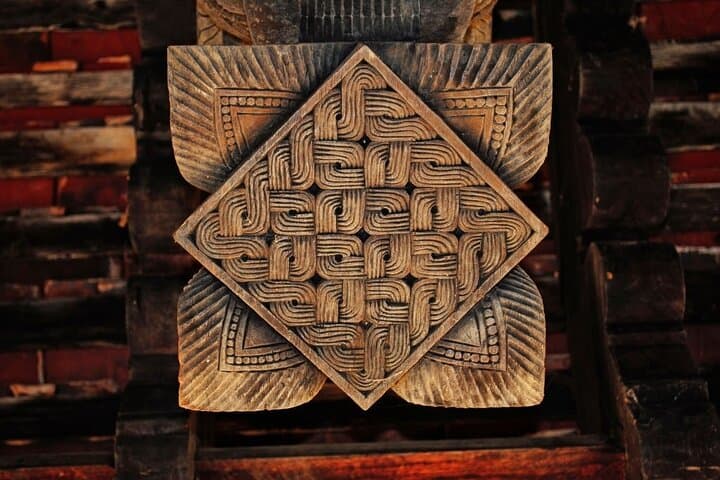
On this one-day loop travelers move through three compact 14th-century sites—Gadaladeniya, Lankathilake and Embekka—each offering a different chapter of medieval Sinhalese architecture: Gadaladeniya’s South Indian-influenced stonework, Lankathilake’s seated Buddha and mountain-perched setting, Embekka’s famously intricate timber carvings. The highland bedrock and red earth frame narrow village tracks that lead away from temple courtyards into hedgerows of spice plants where cinnamon bark, pepper vines and cardamom clumps hold the scent of the region.
A short, guided walk on the Hiripitiya village trail shifts the pace from monuments to everyday life—footpaths past paddy edges, a family-run spice plot, a local herbal drink and a traditional home-cooked lunch served in a village house. Conversation with hosts and the guide fills gaps in the stones’ histories: patronage patterns, restoration efforts, and how these temples function in living ritual.
Practical guidance: wear modest, quick-dry clothing that covers shoulders and knees for temple entry, bring sun and rain protection, and carry a reusable water bottle. Expect several short walks on uneven ground and to remove shoes at temple steps. Plan for an 8-hour outing with moderate walking and frequent stops to photograph details and sample spices—respectful curiosity keeps visits rewarding for hosts and travelers alike.
moderate.
8 hours.
Light to moderate fitness; comfortable with several short walks, standing and climbing a handful of temple steps.
Some temples charge a small local entrance or donation; your guide will explain and handle local payments where required.
Traditional meals are home-cooked; notify the operator in advance of vegetarian, vegan or allergy needs and they’ll accommodate when possible.
The day involves multiple short walks on uneven ground and steps but is rated suitable for most fitness levels; wear sturdy shoes and take breaks as needed.
Yes—remove shoes at temple thresholds and dress modestly (shoulders and knees covered); guides will remind visitors of local customs.
The three temples date from the 14th century, predating the solidification of the Kandyan Kingdom, and show a blend of Sinhalese and South Indian stylistic influences.
Support low-impact tourism by avoiding single-use plastics, staying on existing paths, and buying small goods from village families to benefit the local economy.
Ceylon Travel Dream operates guided outdoor trips and adventures with an emphasis on safety, stewardship, and memorable experiences.
Morning light breaks over the central highlands and the first stone temple emerges from mist—an angular silhouette of carved pillars and tiled roofs that have watched rice fields and roads change for six centuries.
Morning light breaks over the central highlands and the first stone temple emerges from mist—an angular silhouette of carved pillars and tiled roofs that have watched rice fields and roads change for six centuries.
On this one-day loop travelers move through three compact 14th-century sites—Gadaladeniya, Lankathilake and Embekka—each offering a different chapter of medieval Sinhalese architecture: Gadaladeniya’s South Indian-influenced stonework, Lankathilake’s seated Buddha and mountain-perched setting, Embekka’s famously intricate timber carvings. The highland bedrock and red earth frame narrow village tracks that lead away from temple courtyards into hedgerows of spice plants where cinnamon bark, pepper vines and cardamom clumps hold the scent of the region.
A short, guided walk on the Hiripitiya village trail shifts the pace from monuments to everyday life—footpaths past paddy edges, a family-run spice plot, a local herbal drink and a traditional home-cooked lunch served in a village house. Conversation with hosts and the guide fills gaps in the stones’ histories: patronage patterns, restoration efforts, and how these temples function in living ritual.
Practical guidance: wear modest, quick-dry clothing that covers shoulders and knees for temple entry, bring sun and rain protection, and carry a reusable water bottle. Expect several short walks on uneven ground and to remove shoes at temple steps. Plan for an 8-hour outing with moderate walking and frequent stops to photograph details and sample spices—respectful curiosity keeps visits rewarding for hosts and travelers alike.