THE ADVENTURE COLLECTIVE® · Independent discovery and booking for outdoor travel

Cover three very different Great Wall sections in one long, practical day from Beijing—Huanghuacheng’s lakeside ruins, Xiangshuihu’s forested sweep, and the restored towers of Mutianyu. Early starts, sturdy shoes, and an appetite for stairs make this self-guided route rewarding.
Cover three very different Great Wall sections in one long, practical day from Beijing—Huanghuacheng’s lakeside ruins, Xiangshuihu’s forested sweep, and the restored towers of Mutianyu. Early starts, sturdy shoes, and an appetite for stairs make this self-guided route rewarding.
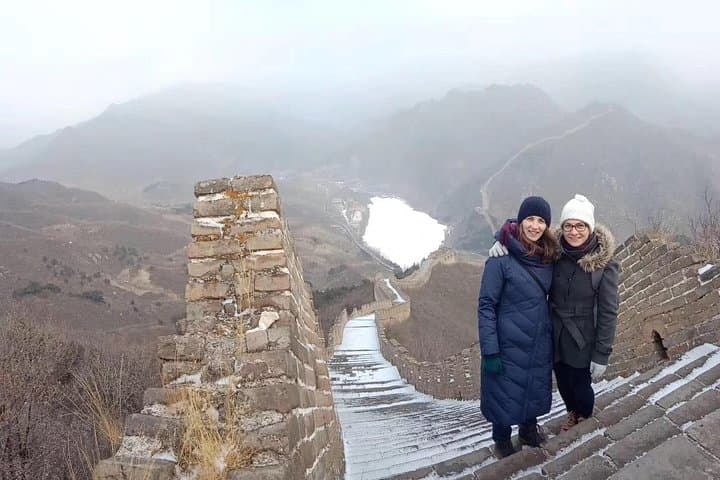
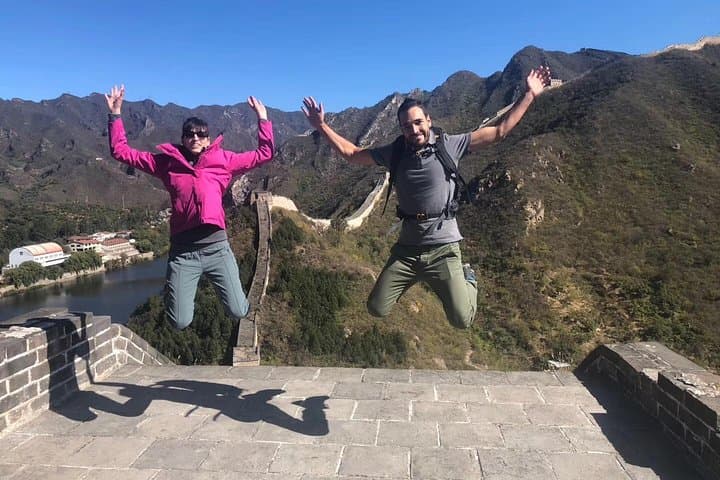
Morning light cuts across the crenellations as your private driver eases out of Beijing and onto country roads, the city giving way to ridgelines and reservoirs. By mid-morning you’re stepping onto stone laid centuries ago; wind and scrub push at your jacket, and the Wall pulls you forward with a steady, human-made rhythm.
Verified experiences and guided adventures in the surrounding area.
Operated by Leo's Guide & Driver Service · Beijing, Beijing
Morning light cuts across the crenellations as your private driver eases out of Beijing and onto country roads, the city giving way to ridgelines and reservoirs. By mid-morning you’re stepping onto stone laid centuries ago; wind and scrub push at your jacket, and the Wall pulls you forward with a steady, human-made rhythm.
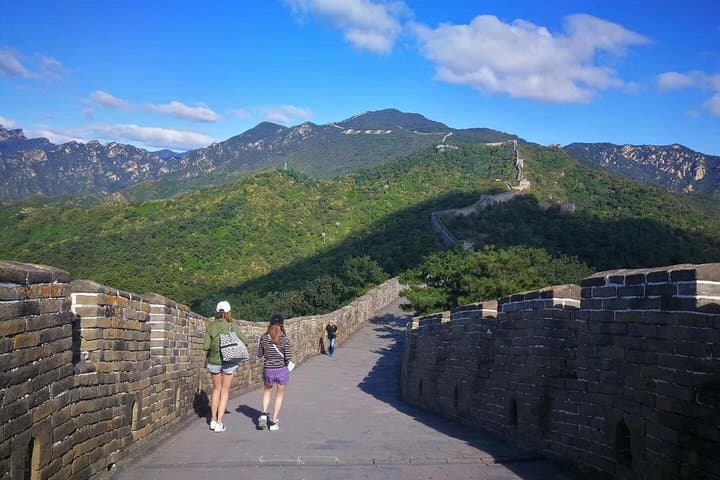
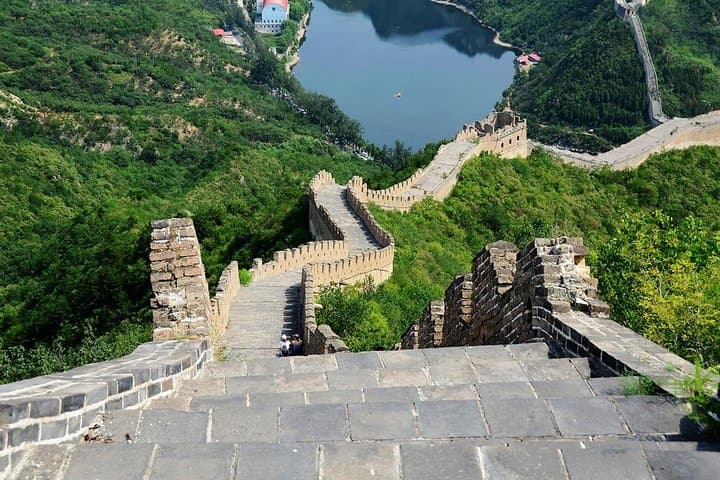
This single-day route stitches together three distinct faces of the Great Wall. Huanghuacheng shows the Wall meeting water—partly submerged by reservoir projects and favored by photographers for its weathered towers and lakeside reflections. Xiangshuihu sits near an old dam basin where forest claims the lower terraces, offering green, quieter stretches. Mutianyu, restored under the Ming dynasty, presents broad, walkable ramparts and options for cable car, chairlift, or toboggan descent.
Geology here is granite and schist cut into steep ridges; builders used local stone, which explains the Wall’s regional character. Culturally, these sections reflect imperial defense and local villages that once supported garrisons.
Practical guidance: start early to avoid traffic and crowds, bring 1–2 liters of water, and choose footwear with good tread—some paths are steep and uneven. The tour is self-guided on the Wall—your driver assists with parking and tickets but won’t hike with you. Mutianyu’s lift options save energy: cable cars lift you gently to Tower 14; the chairlift-plus-toboggan from Tower 6 is faster and more playful. Expect 8–9 hours total time door-to-door; pace your hikes, respect fragile masonry, and leave no trace—these stones have weathered centuries but not thoughtless feet.
moderate.
8–9 hours.
Should have good functional fitness for repeated stair climbs and uneven walking; able to ascend/descend long stair sections.
Yes—this tour description includes all Great Wall entrance tickets and the round-trip cable car or chairlift/toboggan option at Mutianyu as specified.
No—the driver is English-speaking and helps with logistics and tickets but does not hike with you; the Wall time is self-guided.
Expect roughly 1–1.5 hours of walking at Huanghuacheng and Mutianyu, and about 1 hour at Xiangshuihu—terrain ranges from steep restored steps to uneven, unrestored stretches.
Children must be accompanied by an adult; the operator does not recommend this tour for pregnant travelers due to the strenuous stair climbs and uneven surfaces.
These sections span defensive works largely expanded during the Ming dynasty; Mutianyu was restored for tourism while Huanghuacheng retains unrestored, water-tinged ruins.
Visitor wear is a concern—stick to marked paths, don’t remove stones or artifacts, and use provided facilities to limit erosion and litter.
Leo's Guide & Driver Service operates guided outdoor trips and adventures with an emphasis on safety, stewardship, and memorable experiences.
Morning light cuts across the crenellations as your private driver eases out of Beijing and onto country roads, the city giving way to ridgelines and reservoirs. By mid-morning you’re stepping onto stone laid centuries ago; wind and scrub push at your jacket, and the Wall pulls you forward with a steady, human-made rhythm.
Morning light cuts across the crenellations as your private driver eases out of Beijing and onto country roads, the city giving way to ridgelines and reservoirs. By mid-morning you’re stepping onto stone laid centuries ago; wind and scrub push at your jacket, and the Wall pulls you forward with a steady, human-made rhythm.
This single-day route stitches together three distinct faces of the Great Wall. Huanghuacheng shows the Wall meeting water—partly submerged by reservoir projects and favored by photographers for its weathered towers and lakeside reflections. Xiangshuihu sits near an old dam basin where forest claims the lower terraces, offering green, quieter stretches. Mutianyu, restored under the Ming dynasty, presents broad, walkable ramparts and options for cable car, chairlift, or toboggan descent.
Geology here is granite and schist cut into steep ridges; builders used local stone, which explains the Wall’s regional character. Culturally, these sections reflect imperial defense and local villages that once supported garrisons.
Practical guidance: start early to avoid traffic and crowds, bring 1–2 liters of water, and choose footwear with good tread—some paths are steep and uneven. The tour is self-guided on the Wall—your driver assists with parking and tickets but won’t hike with you. Mutianyu’s lift options save energy: cable cars lift you gently to Tower 14; the chairlift-plus-toboggan from Tower 6 is faster and more playful. Expect 8–9 hours total time door-to-door; pace your hikes, respect fragile masonry, and leave no trace—these stones have weathered centuries but not thoughtless feet.