THE ADVENTURE COLLECTIVE® · Independent discovery and booking for outdoor travel

Drive through river valleys and climb a mountain pass on a full-day pilgrimage to three Basque sanctuaries—Loiola, La Antigua and Arantzazu—where Baroque, Romanesque and contemporary art meet rugged scenery. Discover history, geology and practical tips for a day of accessible cultural hiking.
Drive through river valleys and climb a mountain pass on a full-day pilgrimage to three Basque sanctuaries—Loiola, La Antigua and Arantzazu—where Baroque, Romanesque and contemporary art meet rugged scenery. Discover history, geology and practical tips for a day of accessible cultural hiking.
Morning light slices the Galerian pines as the minivan threads the Urola valley toward Loiola, the first stop on a day that moves from Baroque basilica to Romanesque hermitage and finally up a mountain pass to a modern sanctuary carved into rock. Travelers step from climate-controlled transport into stone courtyards where bells punctuate the air and the landscape itself seems to watch.
Verified experiences and guided adventures in the surrounding area.
Operated by The good tour company · San Sebastián, Gipuzkoa
Morning light slices the Galerian pines as the minivan threads the Urola valley toward Loiola, the first stop on a day that moves from Baroque basilica to Romanesque hermitage and finally up a mountain pass to a modern sanctuary carved into rock. Travelers step from climate-controlled transport into stone courtyards where bells punctuate the air and the landscape itself seems to watch.
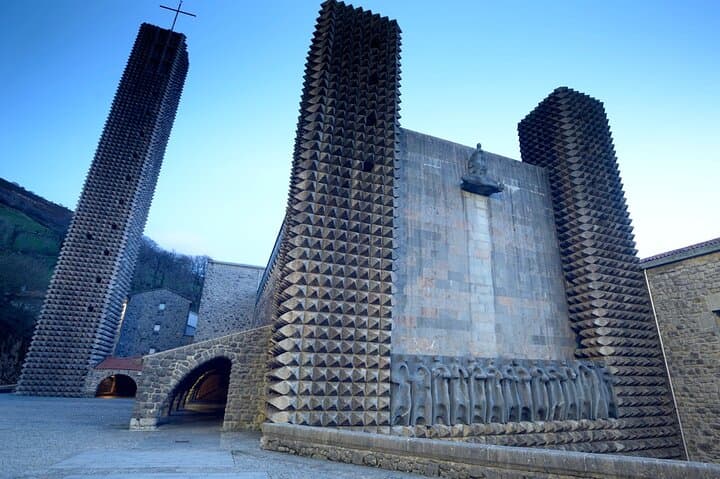
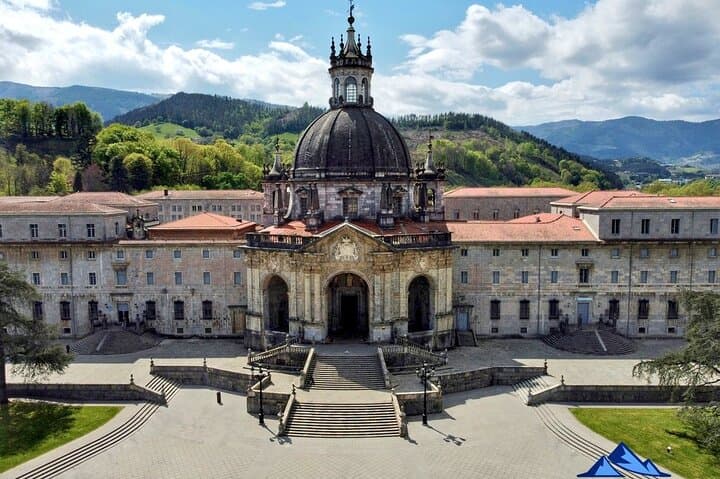
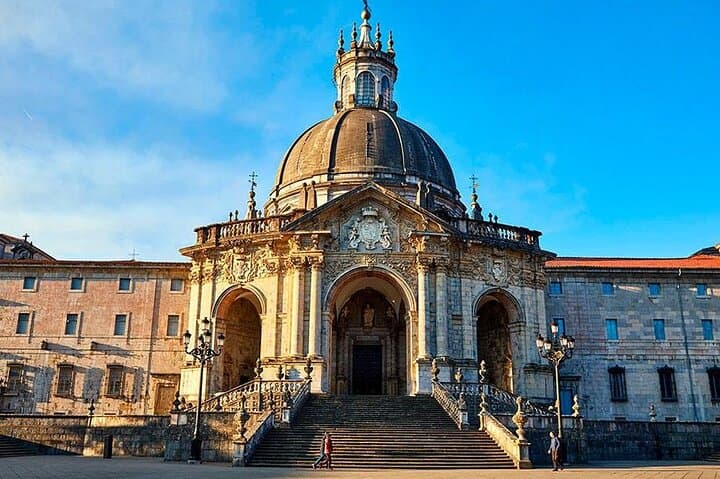
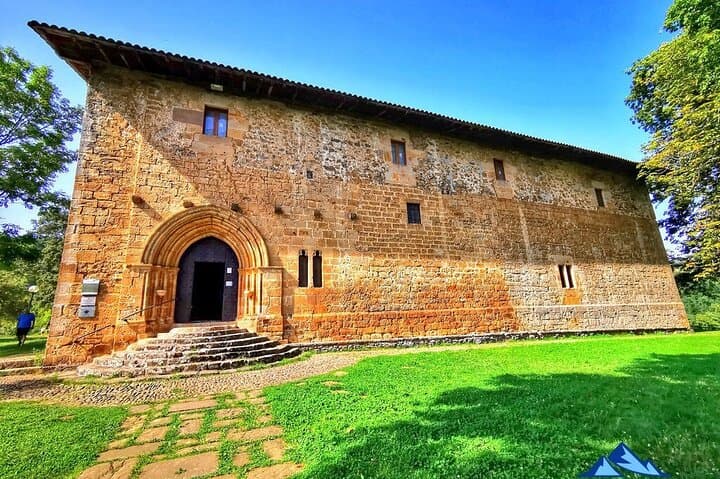
The route traces layers of Basque history: Saint Ignatius of Loyola’s birthplace and circular-domed basilica at Loiola; La Antigua, a compact Romanesque jewel reached along the Urola river; and Arantzazu, sited high above Oñati and known for bold 20th-century Basque sculpture and architecture. Geology matters here—the route climbs from river terraces through oak and beech slopes to limestone ridges that frame the pass to Arantzazu. Local culture threads through: Basque devotion, a pride in regional art, and village baking traditions in roadside cafés.
Practicality guides the pilgrimage. Expect a full 6–9 hour day with seated transfers between sites, short on-foot tours at each sanctuary, and uneven stone surfaces inside older chapels. Shoes with grip handle stone steps and damp floors; layers are useful for variable mountain weather. Bring water and a respectful tone—these are active religious sites where photography or noise may be restricted. Timing matters: midweek and early starts reduce crowds and give better light for the reliefs and sculptures.
This is a day for slow looking—art that argues with its setting, architecture that meets landscape—and a straightforward, accessible way to read Gipuzkoa’s past through its sacred places.
easy.
6–9 hours.
Suitable for most fitness levels; you should be able to walk short distances on uneven ground and climb stairs.
The private tour runs about 6–9 hours and includes private transport, bottled water, air-conditioned vehicle, and guided visits at Loiola and Arantzazu; some interiors restrict access during services.
The tour notes wheelchair and stroller accessibility for many areas and transport options, but older chapels may have steps—check with the operator about specific accessibility needs.
Admission to Loiola and Arantzazu is listed as included; confirm any special exhibitions or guided-only areas that might have extra fees.
Yes—San Sebastián is the typical departure town; pickup points and special requirements are confirmed at booking.
The route connects Ignatius of Loyola’s 16th-century birthplace and Baroque basilica with La Antigua’s Romanesque heritage and Arantzazu’s 20th-century Basque modernist interventions by artists like Chillida and Oteiza.
The sanctuaries sit within managed woodlands and cultural landscapes—stick to paths, avoid littering, and support local guides to minimize visitor impact.
The good tour company operates guided outdoor trips and adventures with an emphasis on safety, stewardship, and memorable experiences.
Morning light slices the Galerian pines as the minivan threads the Urola valley toward Loiola, the first stop on a day that moves from Baroque basilica to Romanesque hermitage and finally up a mountain pass to a modern sanctuary carved into rock. Travelers step from climate-controlled transport into stone courtyards where bells punctuate the air and the landscape itself seems to watch.
Morning light slices the Galerian pines as the minivan threads the Urola valley toward Loiola, the first stop on a day that moves from Baroque basilica to Romanesque hermitage and finally up a mountain pass to a modern sanctuary carved into rock. Travelers step from climate-controlled transport into stone courtyards where bells punctuate the air and the landscape itself seems to watch.
The route traces layers of Basque history: Saint Ignatius of Loyola’s birthplace and circular-domed basilica at Loiola; La Antigua, a compact Romanesque jewel reached along the Urola river; and Arantzazu, sited high above Oñati and known for bold 20th-century Basque sculpture and architecture. Geology matters here—the route climbs from river terraces through oak and beech slopes to limestone ridges that frame the pass to Arantzazu. Local culture threads through: Basque devotion, a pride in regional art, and village baking traditions in roadside cafés.
Practicality guides the pilgrimage. Expect a full 6–9 hour day with seated transfers between sites, short on-foot tours at each sanctuary, and uneven stone surfaces inside older chapels. Shoes with grip handle stone steps and damp floors; layers are useful for variable mountain weather. Bring water and a respectful tone—these are active religious sites where photography or noise may be restricted. Timing matters: midweek and early starts reduce crowds and give better light for the reliefs and sculptures.
This is a day for slow looking—art that argues with its setting, architecture that meets landscape—and a straightforward, accessible way to read Gipuzkoa’s past through its sacred places.