THE ADVENTURE COLLECTIVE® · Independent discovery and booking for outdoor travel

A demanding, remote circuit across three high passes and to Tilicho Lake, this trek combines high-altitude alpine scenery, Tibetan-influenced villages and multi-day camping. Read on for what to expect, key logistics and practical tips for planning.
A demanding, remote circuit across three high passes and to Tilicho Lake, this trek combines high-altitude alpine scenery, Tibetan-influenced villages and multi-day camping. Read on for what to expect, key logistics and practical tips for planning.
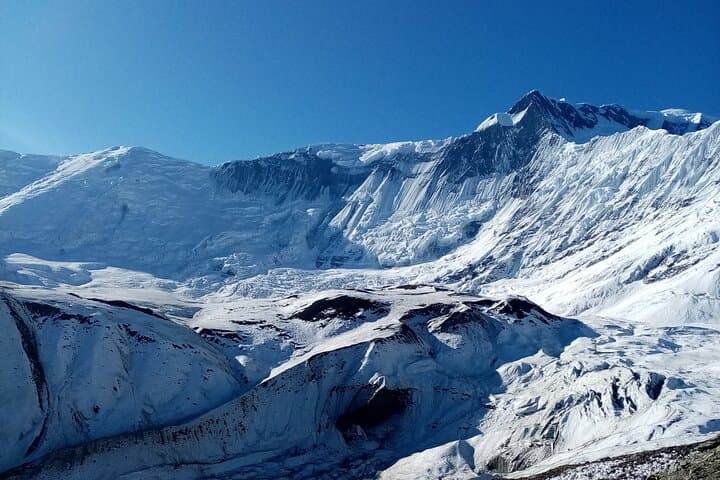
You stand on a wind-scoured ridge as the sun slides across a wall of granite—Annapurna, Dhaulagiri and Manaslu push the horizon into a jagged skyline. Cold air pinches the cheeks; a stream below dares you to follow it down into a green valley. This is the rhythm of the Three Passes and Tilicho Camping Trek: long days, remote villages, and three high passes that test lungs and resolve.
Verified experiences and guided adventures in the surrounding area.
Operated by Nepal Mountain Club Pvt Ltd · Kathmandu, Bagmati Province
You stand on a wind-scoured ridge as the sun slides across a wall of granite—Annapurna, Dhaulagiri and Manaslu push the horizon into a jagged skyline. Cold air pinches the cheeks; a stream below dares you to follow it down into a green valley. This is the rhythm of the Three Passes and Tilicho Camping Trek: long days, remote villages, and three high passes that test lungs and resolve.
The route threads classical Annapurna geology—glacial moraines, carved limestone basins and moraine-dammed lakes—shaped over millennia by ice and tectonic uplift. Cultural waypoints alternate Gurung and Thakali villages with Tibetan-style hamlets in Naar and Phu, where prayer flags and stone chortens mark trade routes that predate roads.
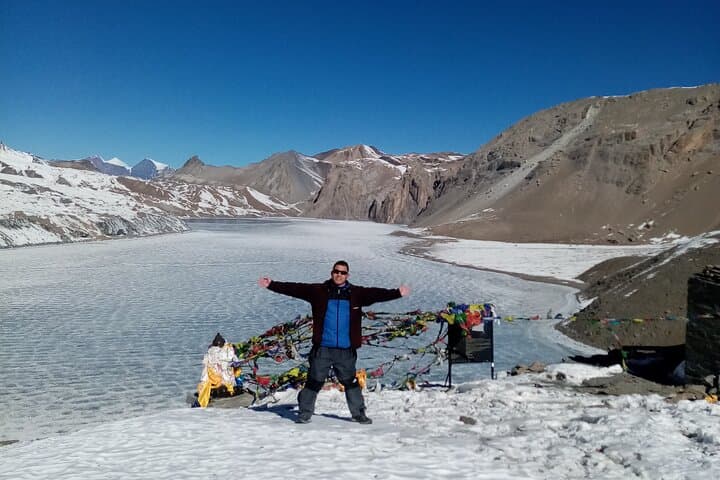
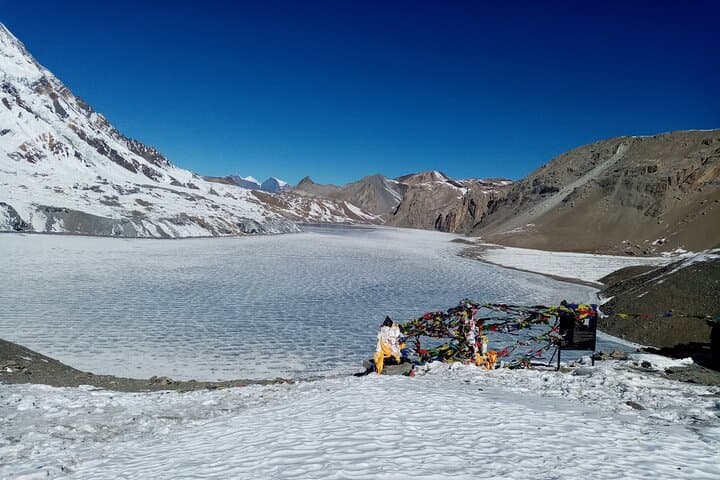
Expect steep ascents of 700–1,200 m on pass days and long ridge walks; Kang La tops around 5,300 m and Mesokanto La about 5,099 m, while Tilicho Lake sits near 4,919 m. Most daily stages are 4–8 hours of uphill, rocky trails, scree slopes and river crossings. Acclimatization days in Manang and Phu are built into the itinerary for safety.
Practically: pack layered insulation, a four-season sleeping system for tented camps, and sturdy boots with good ankle support. Hydration, slow pacing and recognizing early altitude symptoms are essential. Trek in spring or autumn for the most stable weather; winter demands technical snow experience and summer monsoon brings slippery trails and limited visibility. Guides, porters and permits (Annapurna Conservation Area, TIMS) are standard—respect local customs and leave no trace as you cross high, fragile landscapes.
difficult.
25 days.
Strong cardiovascular fitness and stamina for consecutive high‑altitude days; prior multi-day trekking experience recommended.
These are long, steep passes—expect sustained ascents to ~5,000–5,300 m with loose scree and possible snow; good fitness and acclimatization are required.
Spring (April–May) and autumn (late Sept–Nov) offer the most stable weather and clear mountain views; monsoon makes trails slippery and winter brings deep snow.
Yes—Annapurna Conservation Area permit and TIMS registration are required; operators typically arrange these for you.
Not recommended for beginners—participants should have prior multi-day trekking experience, high fitness and familiarity with altitude effects.
The route follows historic salt-and-trade passages between Manang and Mustang; villages preserve Tibetan-influenced architecture and Buddhist practice.
The trek runs inside the Annapurna Conservation Area—stick to established campsites, pack out waste and support local lodges to sustain community conservation.
Nepal Mountain Club Pvt Ltd operates guided outdoor trips and adventures with an emphasis on safety, stewardship, and memorable experiences.
You stand on a wind-scoured ridge as the sun slides across a wall of granite—Annapurna, Dhaulagiri and Manaslu push the horizon into a jagged skyline. Cold air pinches the cheeks; a stream below dares you to follow it down into a green valley. This is the rhythm of the Three Passes and Tilicho Camping Trek: long days, remote villages, and three high passes that test lungs and resolve.
You stand on a wind-scoured ridge as the sun slides across a wall of granite—Annapurna, Dhaulagiri and Manaslu push the horizon into a jagged skyline. Cold air pinches the cheeks; a stream below dares you to follow it down into a green valley. This is the rhythm of the Three Passes and Tilicho Camping Trek: long days, remote villages, and three high passes that test lungs and resolve.
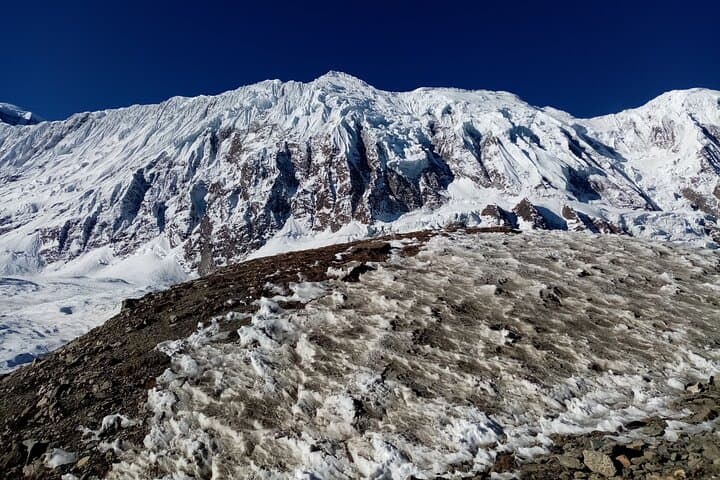
The route threads classical Annapurna geology—glacial moraines, carved limestone basins and moraine-dammed lakes—shaped over millennia by ice and tectonic uplift. Cultural waypoints alternate Gurung and Thakali villages with Tibetan-style hamlets in Naar and Phu, where prayer flags and stone chortens mark trade routes that predate roads.
Expect steep ascents of 700–1,200 m on pass days and long ridge walks; Kang La tops around 5,300 m and Mesokanto La about 5,099 m, while Tilicho Lake sits near 4,919 m. Most daily stages are 4–8 hours of uphill, rocky trails, scree slopes and river crossings. Acclimatization days in Manang and Phu are built into the itinerary for safety.
Practically: pack layered insulation, a four-season sleeping system for tented camps, and sturdy boots with good ankle support. Hydration, slow pacing and recognizing early altitude symptoms are essential. Trek in spring or autumn for the most stable weather; winter demands technical snow experience and summer monsoon brings slippery trails and limited visibility. Guides, porters and permits (Annapurna Conservation Area, TIMS) are standard—respect local customs and leave no trace as you cross high, fragile landscapes.