THE ADVENTURE COLLECTIVE® · Independent discovery and booking for outdoor travel

Sail the Nile in style on a 3‑night luxury cruise from Aswan to Luxor, including an early‑morning visit to Abu Simbel and guided tours of Egypt’s most iconic temples. Expect curated archaeology, panoramic sun decks and practical tips for temple touring.
Sail the Nile in style on a 3‑night luxury cruise from Aswan to Luxor, including an early‑morning visit to Abu Simbel and guided tours of Egypt’s most iconic temples. Expect curated archaeology, panoramic sun decks and practical tips for temple touring.
Morning light strips the desert down to gold as the Nile slips you away from Aswan’s riverbank. Onboard a five‑star cruise, teak decks and shaded lounges frame the river’s slow motion; sailboats and fishing skiffs bob like punctuation as the current urges you toward temples carved in stone.
Verified experiences and guided adventures in the surrounding area.
Operated by Nile Cruisers Egypt · Aswan, Aswan Governorate
Morning light strips the desert down to gold as the Nile slips you away from Aswan’s riverbank. Onboard a five‑star cruise, teak decks and shaded lounges frame the river’s slow motion; sailboats and fishing skiffs bob like punctuation as the current urges you toward temples carved in stone.
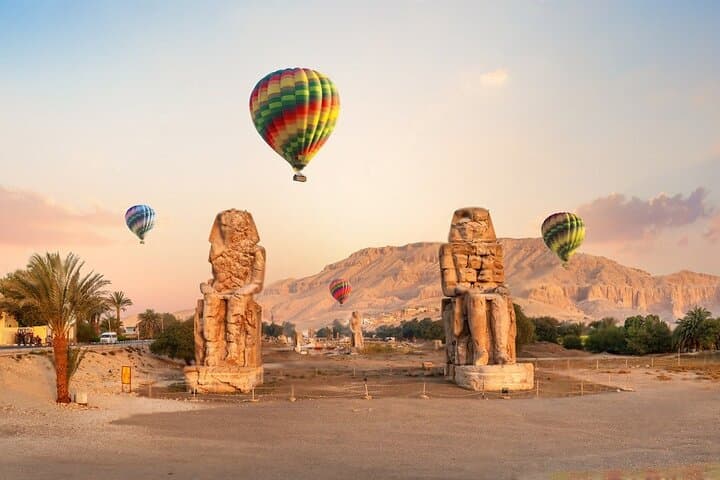
This itinerary threads Egypt’s high points: Philae’s relocated Temple of Isis, the engineering of the Aswan High Dam and the granite scars of the Unfinished Obelisk, the colossal façades of Abu Simbel, the twin sanctuaries of Kom Ombo, Edfu’s Horus temple, and Luxor’s Valley of the Kings and Karnak. Geology here is simple and stark—red desert cliffs, river silt plains and quarried granite—yet history is layered: New Kingdom pharaohs, Roman laterities and 20th‑century archaeological rescue projects like the relocation of Abu Simbel and Philae to save them from the rising Nile.
Expect guided walks across uneven stone, shaded boat transfers, and early departures for Abu Simbel’s morning light. Local culture is palpable in Nubian hamlets and market stalls along the quay; keep small bills for café tips and local guides. Conservation efforts from the 1960s set a precedent—today, visitors help by following site rules and avoiding contact with reliefs.
Practical guidance: carry a large water bottle, sun protection and comfortable walking shoes with a firm sole. Plan for early wake‑ups and quiet evenings on deck; the desert stars are part of the itinerary. Confirm pickup and specific admissions with your operator before travel.
easy.
3–4 days.
Suitable for travelers with average mobility; requires walking on uneven ground and short stair/climb sections at sites.
The itinerary includes many admissions listed in the tour schedule; confirm which specific sites are covered with the operator before booking.
The tour notes stroller access and infant seating but is not recommended for travelers with serious spinal or cardiovascular problems; contact the operator to discuss mobility assistance.
This product is sold as all sales final—no refunds are available for cancellations, so review your plans and travel insurance options before booking.
Tipping is customary for guides and crew; prepare small bills in Egyptian pounds and follow the guide’s recommendations for distribution.
Many sites visited were central to New Kingdom Egypt; the 1960s UNESCO relocation projects—most famously Abu Simbel and Philae—preserved these monuments from the Aswan High Dam reservoir.
Responsible visitation matters—avoid touching reliefs, pack out waste and follow guides’ advice to limit impact on fragile archaeological sites.
Nile Cruisers Egypt operates guided outdoor trips and adventures with an emphasis on safety, stewardship, and memorable experiences.
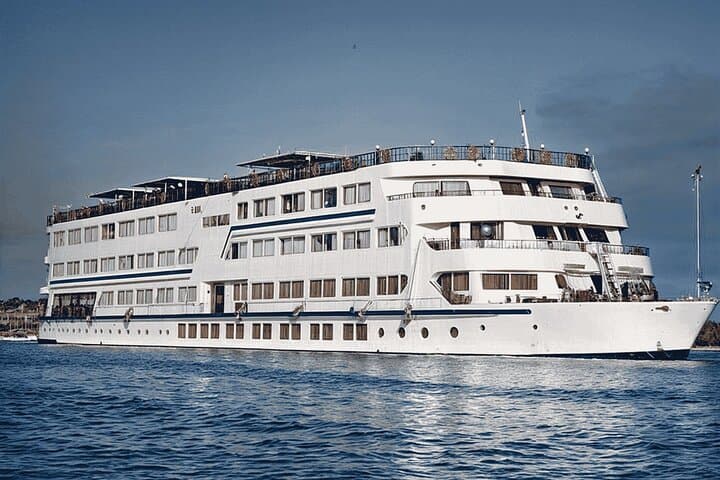
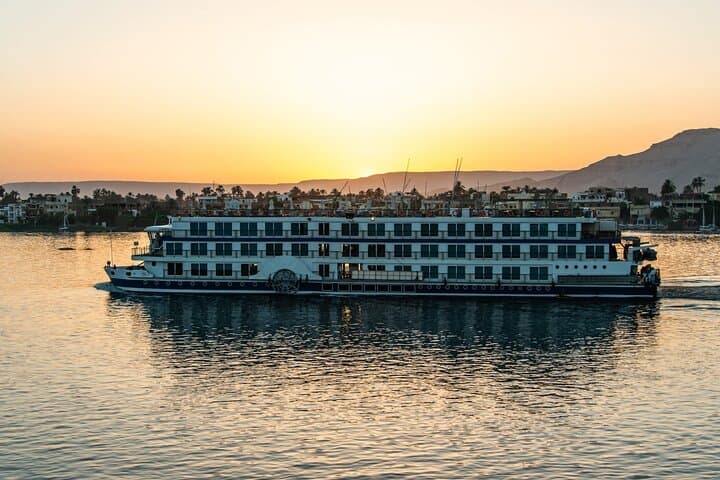
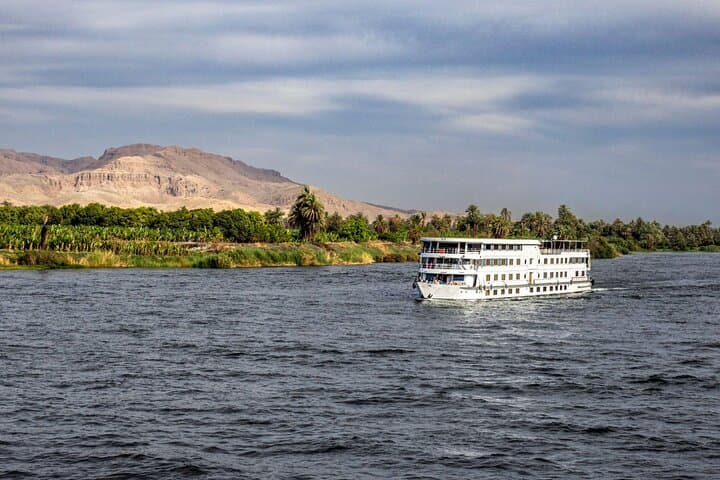
Morning light strips the desert down to gold as the Nile slips you away from Aswan’s riverbank. Onboard a five‑star cruise, teak decks and shaded lounges frame the river’s slow motion; sailboats and fishing skiffs bob like punctuation as the current urges you toward temples carved in stone.
Morning light strips the desert down to gold as the Nile slips you away from Aswan’s riverbank. Onboard a five‑star cruise, teak decks and shaded lounges frame the river’s slow motion; sailboats and fishing skiffs bob like punctuation as the current urges you toward temples carved in stone.
This itinerary threads Egypt’s high points: Philae’s relocated Temple of Isis, the engineering of the Aswan High Dam and the granite scars of the Unfinished Obelisk, the colossal façades of Abu Simbel, the twin sanctuaries of Kom Ombo, Edfu’s Horus temple, and Luxor’s Valley of the Kings and Karnak. Geology here is simple and stark—red desert cliffs, river silt plains and quarried granite—yet history is layered: New Kingdom pharaohs, Roman laterities and 20th‑century archaeological rescue projects like the relocation of Abu Simbel and Philae to save them from the rising Nile.
Expect guided walks across uneven stone, shaded boat transfers, and early departures for Abu Simbel’s morning light. Local culture is palpable in Nubian hamlets and market stalls along the quay; keep small bills for café tips and local guides. Conservation efforts from the 1960s set a precedent—today, visitors help by following site rules and avoiding contact with reliefs.
Practical guidance: carry a large water bottle, sun protection and comfortable walking shoes with a firm sole. Plan for early wake‑ups and quiet evenings on deck; the desert stars are part of the itinerary. Confirm pickup and specific admissions with your operator before travel.