THE ADVENTURE COLLECTIVE® · Independent discovery and booking for outdoor travel

A five-day circuit from Mumbai that links three of Maharashtra’s sacred Jyotirlingas with UNESCO caves, fortresses and a wildlife sanctuary. Expect long drives, stair-climbed rock temples and a mix of ritual, archaeology and verdant Sahyadri hillscapes.
A five-day circuit from Mumbai that links three of Maharashtra’s sacred Jyotirlingas with UNESCO caves, fortresses and a wildlife sanctuary. Expect long drives, stair-climbed rock temples and a mix of ritual, archaeology and verdant Sahyadri hillscapes.
You step out of the car and the air changes—thick monsoon-green hills breathe around the stone spires of Bhimashankar, while days earlier the dry heat of Aurangabad made the white marble of Bibi Ka Maqbara flare in the sun. This is a pilgrimage on wheels: long highway stretches between Mumbai, Nashik, Aurangabad and the Sahyadri foothills, punctuated by caverns where centuries of carving still hold their breath.
Verified experiences and guided adventures in the surrounding area.
Operated by Agora Voyages Pvt. Ltd. · Aurangabad, Maharashtra
You step out of the car and the air changes—thick monsoon-green hills breathe around the stone spires of Bhimashankar, while days earlier the dry heat of Aurangabad made the white marble of Bibi Ka Maqbara flare in the sun. This is a pilgrimage on wheels: long highway stretches between Mumbai, Nashik, Aurangabad and the Sahyadri foothills, punctuated by caverns where centuries of carving still hold their breath.
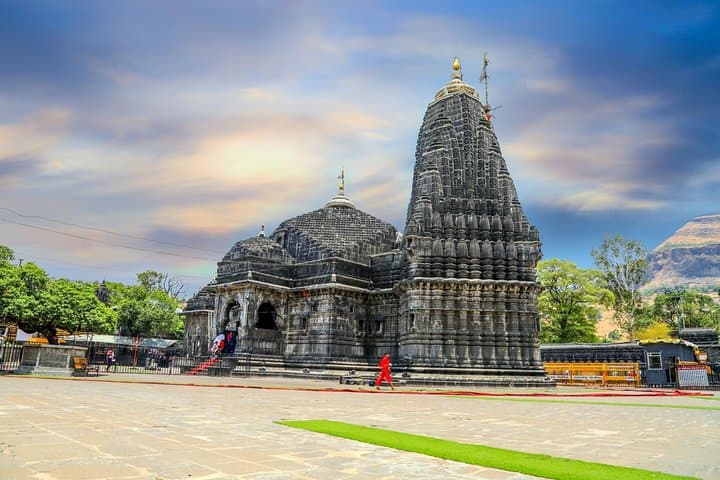
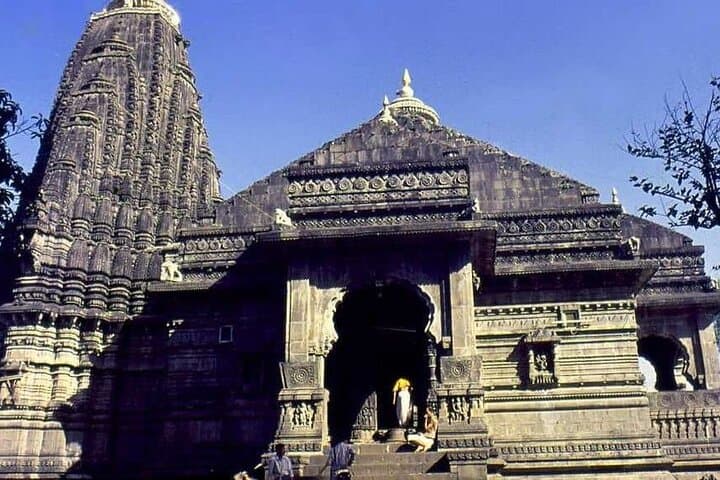
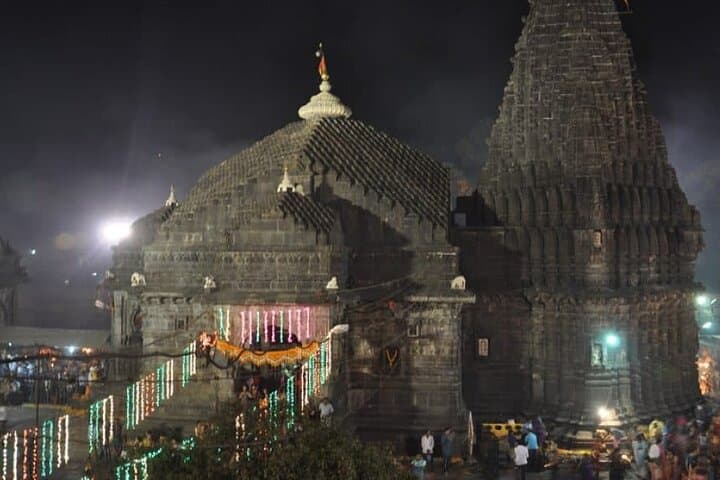
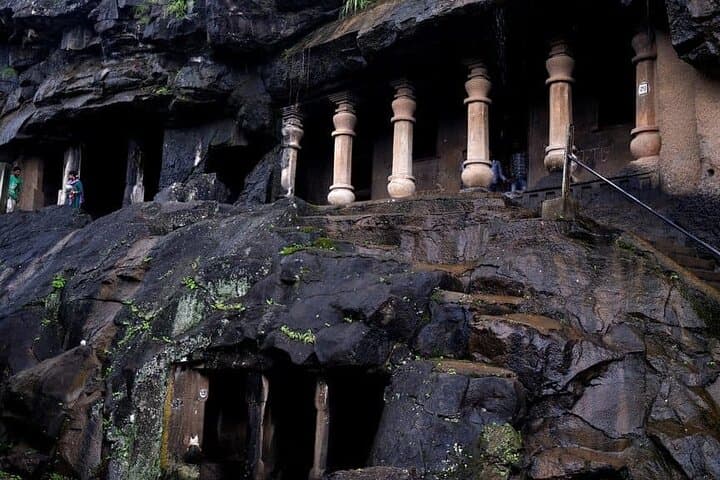
The route threads living religion into ancient geology. Trimbakeshwar and Grishneshwar are two of Shiva’s twelve Jyotirlingas—active ritual centers where priests tend lamps and pilgrims draw water from nearby ghats. Ellora and Ajanta, both UNESCO sites, expose volcanic basalt that artisans hollowed into temples and frescoed halls, while Daulatabad’s fortress crowns a strategic volcanic plug. Local culture mixes Marathi rural rhythms with temple festivals, and Nashik’s vineyards add an unexpected viticultural note.
Practical edge: this is a mostly low-impact tour with substantial driving—expect several 2–4 hour car legs and repeated stair climbs at cave sites. Wear sturdy shoes for uneven rock steps, carry a refillable water bottle (some stops provide bottled water), and schedule cave visits for mornings to avoid the heat and crowds. Respect temple customs: modest dress, remove shoes, and follow photography rules. If you want wildlife, build in Bhimashankar’s sanctuary time for early-morning bird and mammal sightings. Pack light layers for hill mornings and keep a small daypack with essentials—snacks, sunscreen, and a charged phone. This itinerary balances devotion, history and landscape: temples demand stillness, the caves insist on attention, and the hills quietly pull you toward slower rhythms.
easy.
5 days.
Light fitness—able to walk stairs and on uneven ground for short periods; mostly car-based travel.
No special permits are required for standard tourism; both sites charge entry fees and may have restricted areas—check local signage for photography rules.
Yes—most days are car-based with short walks, but caves and temples require stair climbing; consider mobility limits when booking.
October through March offers cooler, drier weather and clearer views; monsoon (June–September) brings lush hills but heavy rain may disrupt travel.
Yes—Maharashtra has abundant vegetarian cuisine and the itinerary includes breakfasts; inform providers of dietary needs in advance.
The Jyotirlinga temples are ancient Shiva shrines woven into local pilgrimage traditions, while Ajanta and Ellora are rock-cut complexes carved from basalt between the 2nd century BCE and 10th century CE.
These sites face visitor pressure—stick to marked paths, avoid touching frescoes, and support local guides to promote sustainable tourism.
Agora Voyages Pvt. Ltd. operates guided outdoor trips and adventures with an emphasis on safety, stewardship, and memorable experiences.
You step out of the car and the air changes—thick monsoon-green hills breathe around the stone spires of Bhimashankar, while days earlier the dry heat of Aurangabad made the white marble of Bibi Ka Maqbara flare in the sun. This is a pilgrimage on wheels: long highway stretches between Mumbai, Nashik, Aurangabad and the Sahyadri foothills, punctuated by caverns where centuries of carving still hold their breath.
You step out of the car and the air changes—thick monsoon-green hills breathe around the stone spires of Bhimashankar, while days earlier the dry heat of Aurangabad made the white marble of Bibi Ka Maqbara flare in the sun. This is a pilgrimage on wheels: long highway stretches between Mumbai, Nashik, Aurangabad and the Sahyadri foothills, punctuated by caverns where centuries of carving still hold their breath.
The route threads living religion into ancient geology. Trimbakeshwar and Grishneshwar are two of Shiva’s twelve Jyotirlingas—active ritual centers where priests tend lamps and pilgrims draw water from nearby ghats. Ellora and Ajanta, both UNESCO sites, expose volcanic basalt that artisans hollowed into temples and frescoed halls, while Daulatabad’s fortress crowns a strategic volcanic plug. Local culture mixes Marathi rural rhythms with temple festivals, and Nashik’s vineyards add an unexpected viticultural note.
Practical edge: this is a mostly low-impact tour with substantial driving—expect several 2–4 hour car legs and repeated stair climbs at cave sites. Wear sturdy shoes for uneven rock steps, carry a refillable water bottle (some stops provide bottled water), and schedule cave visits for mornings to avoid the heat and crowds. Respect temple customs: modest dress, remove shoes, and follow photography rules. If you want wildlife, build in Bhimashankar’s sanctuary time for early-morning bird and mammal sightings. Pack light layers for hill mornings and keep a small daypack with essentials—snacks, sunscreen, and a charged phone. This itinerary balances devotion, history and landscape: temples demand stillness, the caves insist on attention, and the hills quietly pull you toward slower rhythms.