THE ADVENTURE COLLECTIVE® · Independent discovery and booking for outdoor travel

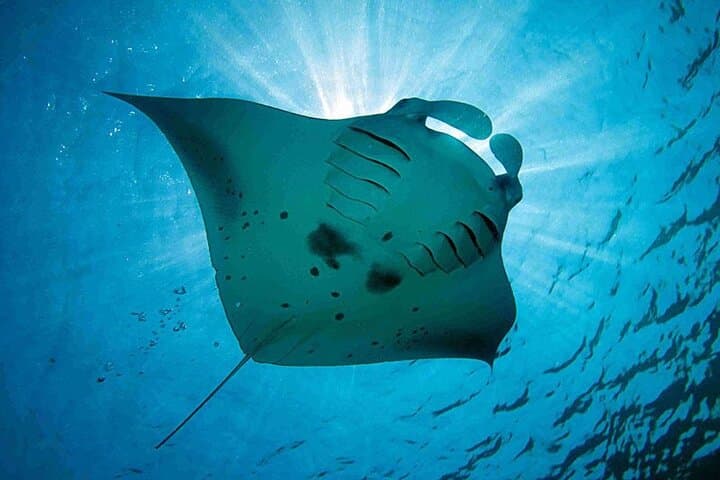
Float over clear reefs, watch manta rays turn and feed, and explore three distinct snorkel sites around Nusa Lembongan on a 2.5–3 hour guided trip. Guides, life vests, and snorkel gear are provided—sightings common but not guaranteed.
Float over clear reefs, watch manta rays turn and feed, and explore three distinct snorkel sites around Nusa Lembongan on a 2.5–3 hour guided trip. Guides, life vests, and snorkel gear are provided—sightings common but not guaranteed.
Morning light fractures across the bay as the boat slips away from Jungut Batu, engines soft and the ocean ahead promising kinetic encounters.
Verified experiences and guided adventures in the surrounding area.
Operated by Telaga Waja River Rafting · Nusa Lembongan, Bali
Morning light fractures across the bay as the boat slips away from Jungut Batu, engines soft and the ocean ahead promising kinetic encounters.
This three-point snorkel runs 2.5–3 hours, visiting Manta Bay, Toya Pakeh Wall (sometimes listed as Gamat Bay), and Mangrove Point near Nusa Lembongan and the southern edge of Nusa Penida. Geologically these isles are uplifted limestone and volcanic outcrops; currents sweep nutrients through clean drop-offs and shallow reef flats, which help concentrate plankton and attract cleaning mantas and turtles. The area has long been part of local fishing and seaweed farming cultures; today tourism supports dive guides and small harbor communities.
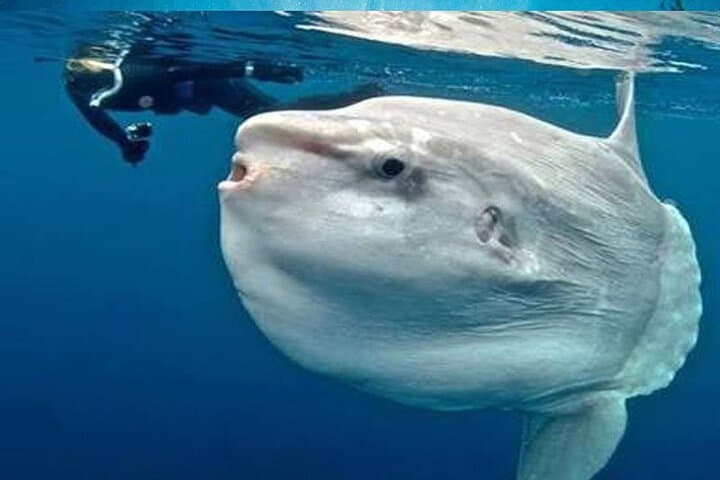
Expect close, guided snorkel swims rather than deep scuba dives. Guides provide masks, fins, life vests, and basic instruction; non-swimmers and children can participate with buoyancy support. Manta sightings are frequent at cleaning stations but not guaranteed—mantas follow currents and seasonal plankton blooms.
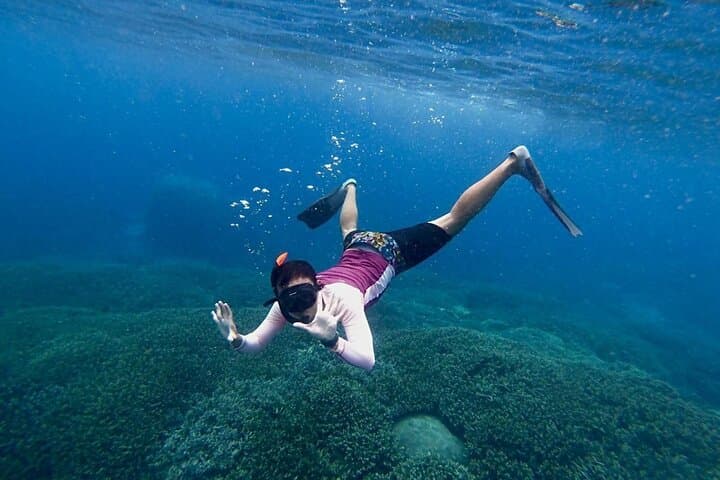
Practical tips: depart early for calmer seas and best visibility; bring reef-safe sunscreen, a lightweight rash guard, and a dry bag for electronics. Respect marine life—observe mantas from a distance, avoid touching coral, and let guides position you for photos and safety. Pickup on Nusa Lembongan is typically 30–60 minutes before departure; tours include towels, shower access, lockers, and often photos. Stay hydrated, secure loose gear, and plan transit time from Sanur or other Bali ports if arriving the same day.
moderate.
2.5–3 hours.
Moderate fitness—able to swim short distances and tread or float for several minutes; non-swimmers can participate with vests and guidance.
No—manta sightings are common at known cleaning stations but depend on plankton, currents, and animal movement; operators cannot guarantee encounters.
Yes—life vests and guide support are provided so non-swimmers and nervous guests can float and observe safely.
Two departures run daily, typically 08:00 and 10:30; island pickup from accommodations is provided 30–60 minutes before departure depending on location.
Many operators accommodate children and older guests with flotation, short swim legs, and close guide supervision, but those with serious mobility, heart, or spinal issues should avoid it.
Local communities have long combined seaweed farming and artisanal fishing; tourism developed around the islands’ clear water and unique cleaning stations for large pelagics.
Operators encourage no-touch policies and use of reef-safe product; be mindful of anchors and support operators who use mooring buoys to protect coral.
Telaga Waja River Rafting operates guided outdoor trips and adventures with an emphasis on safety, stewardship, and memorable experiences.
Morning light fractures across the bay as the boat slips away from Jungut Batu, engines soft and the ocean ahead promising kinetic encounters.
Morning light fractures across the bay as the boat slips away from Jungut Batu, engines soft and the ocean ahead promising kinetic encounters.
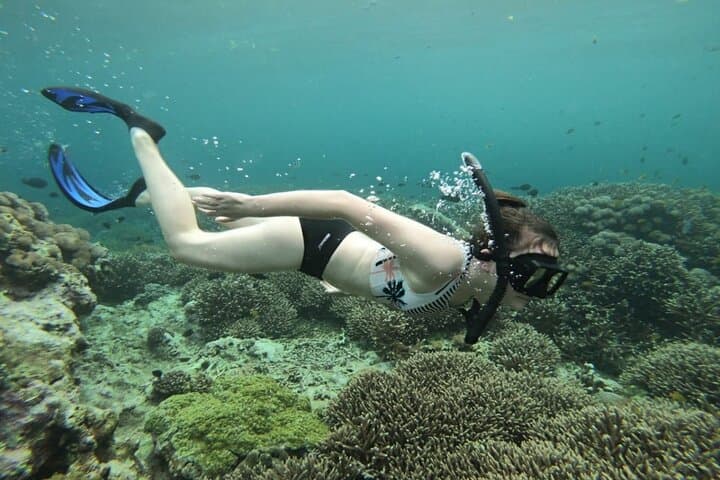
This three-point snorkel runs 2.5–3 hours, visiting Manta Bay, Toya Pakeh Wall (sometimes listed as Gamat Bay), and Mangrove Point near Nusa Lembongan and the southern edge of Nusa Penida. Geologically these isles are uplifted limestone and volcanic outcrops; currents sweep nutrients through clean drop-offs and shallow reef flats, which help concentrate plankton and attract cleaning mantas and turtles. The area has long been part of local fishing and seaweed farming cultures; today tourism supports dive guides and small harbor communities.
Expect close, guided snorkel swims rather than deep scuba dives. Guides provide masks, fins, life vests, and basic instruction; non-swimmers and children can participate with buoyancy support. Manta sightings are frequent at cleaning stations but not guaranteed—mantas follow currents and seasonal plankton blooms.
Practical tips: depart early for calmer seas and best visibility; bring reef-safe sunscreen, a lightweight rash guard, and a dry bag for electronics. Respect marine life—observe mantas from a distance, avoid touching coral, and let guides position you for photos and safety. Pickup on Nusa Lembongan is typically 30–60 minutes before departure; tours include towels, shower access, lockers, and often photos. Stay hydrated, secure loose gear, and plan transit time from Sanur or other Bali ports if arriving the same day.