THE ADVENTURE COLLECTIVE® · Independent discovery and booking for outdoor travel

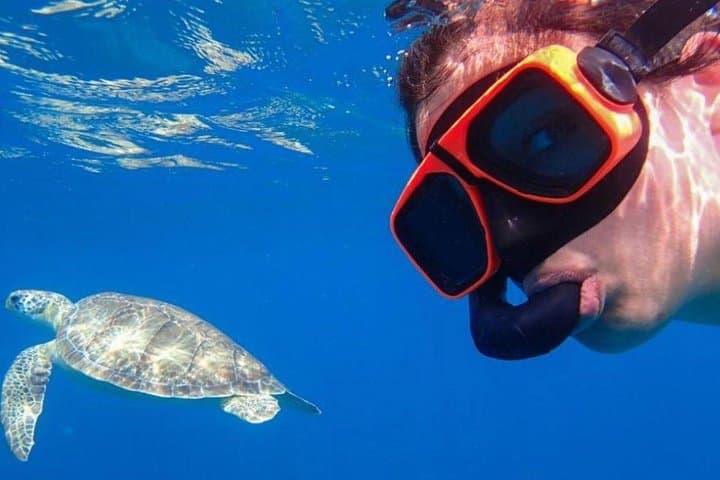
A swift, four-hour powerboat circuit visiting Pinel, Tintamarre and Creole Rock for guided snorkeling with turtles, shallow reefs and a short beach stop — ideal for those wanting maximum water time with minimal transit.
A swift, four-hour powerboat circuit visiting Pinel, Tintamarre and Creole Rock for guided snorkeling with turtles, shallow reefs and a short beach stop — ideal for those wanting maximum water time with minimal transit.
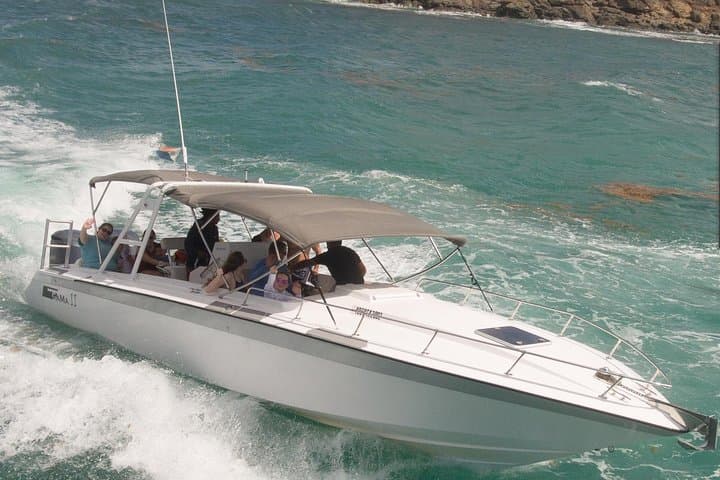
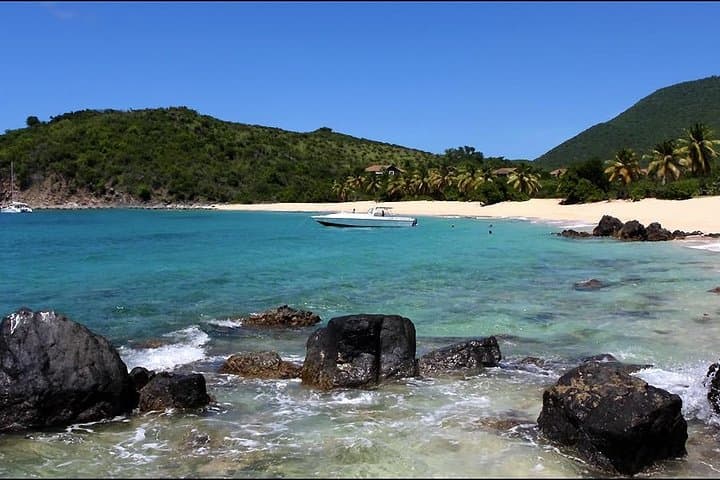
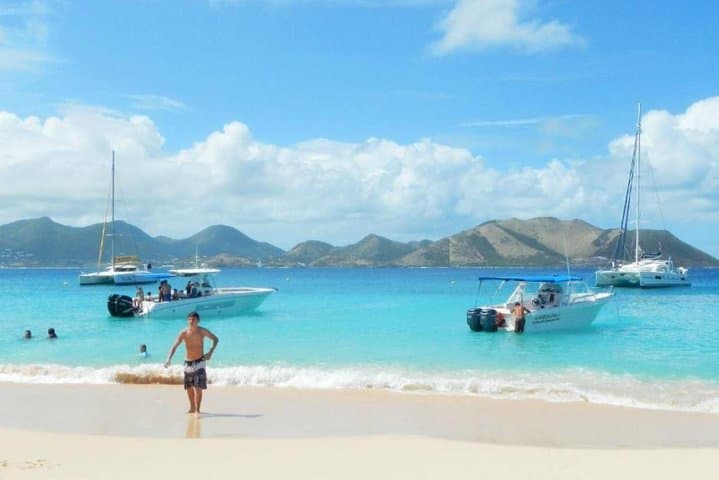
The boat slips free from the dock and the island line sharpens: reef-rimmed shallows give way to turquoise lanes that dare you to dive in. On Captain Alan’s four-hour ride, the engine’s low rumble sets the pace while the crew points out turtle slicks and the low-profile elbows of islets ahead — Pinel, Tintamarre and Creole Rock — each with its own shallow reefs and small beaches.
Verified experiences and guided adventures in the surrounding area.
Operated by Captain Alan's Boat Charters · Philipsburg, Sint Maarten
The boat slips free from the dock and the island line sharpens: reef-rimmed shallows give way to turquoise lanes that dare you to dive in. On Captain Alan’s four-hour ride, the engine’s low rumble sets the pace while the crew points out turtle slicks and the low-profile elbows of islets ahead — Pinel, Tintamarre and Creole Rock — each with its own shallow reefs and small beaches.
These isles sit off the northern flank of Saint Martin, a geological hinge of volcanic core and sedimentary apron carved by centuries of Caribbean swell. The French and Dutch halves of the island carry different coastal cultures: fishermen’s sheds and beach shacks on the French side, tour operators and marinas on the Dutch. Historically, these coves were stopovers for fishermen and later for small‑boat commerce; today they are protected feeding grounds for hawksbill and green turtles and hotspots for coral and reef fish.
Practically, expect repeated shallow snorkel stops (30–60 minutes each), short beach breaks where iguanas may approach, and a personable crew handling gear and guiding in-water time. Visibility is best in calmer mornings; trade winds can push the boat slightly farther offshore on windy days. Bring reef-safe sunscreen, a snug mask, and a lightweight cover-up for boat spray. If prone to seasickness, plan medication and sit forward where motion is least. Cash is useful for local transfers.
This tour suits travelers who want concentrated reef time without a long transit: quick boat rides between diverse snorkeling sites, guided entry and exits, and a compact taste of Saint Martin’s marine life and shoreline culture.
moderate.
4 hours.
Suitable for most fitness levels; participants should be comfortable in open water and able to swim short distances
Yes — participants should be comfortable swimming and treading water; guided snorkeling takes place in shallow reef areas but does require basic swimming ability.
Yes — standard snorkel masks, fins and life vests are provided, though many guests bring personal masks for better fit.
Turtles are commonly seen at these sites but are wild animals, so sightings can’t be guaranteed; morning stops tend to be more productive.
Transfers vary by operator; this tour notes transport rates are paid locally in cash—confirm pickup details when booking.
The northern coast of Saint Martin has long been used by local fishermen and small-boat sailors; the islets were traditional stopovers and feeding grounds for marine life.
Visitors should avoid touching coral or feeding wildlife; operators often encourage reef-safe sunscreen and no‑touch policies to reduce human impact.
Captain Alan's Boat Charters operates guided outdoor trips and adventures with an emphasis on safety, stewardship, and memorable experiences.
The boat slips free from the dock and the island line sharpens: reef-rimmed shallows give way to turquoise lanes that dare you to dive in. On Captain Alan’s four-hour ride, the engine’s low rumble sets the pace while the crew points out turtle slicks and the low-profile elbows of islets ahead — Pinel, Tintamarre and Creole Rock — each with its own shallow reefs and small beaches.
The boat slips free from the dock and the island line sharpens: reef-rimmed shallows give way to turquoise lanes that dare you to dive in. On Captain Alan’s four-hour ride, the engine’s low rumble sets the pace while the crew points out turtle slicks and the low-profile elbows of islets ahead — Pinel, Tintamarre and Creole Rock — each with its own shallow reefs and small beaches.
These isles sit off the northern flank of Saint Martin, a geological hinge of volcanic core and sedimentary apron carved by centuries of Caribbean swell. The French and Dutch halves of the island carry different coastal cultures: fishermen’s sheds and beach shacks on the French side, tour operators and marinas on the Dutch. Historically, these coves were stopovers for fishermen and later for small‑boat commerce; today they are protected feeding grounds for hawksbill and green turtles and hotspots for coral and reef fish.
Practically, expect repeated shallow snorkel stops (30–60 minutes each), short beach breaks where iguanas may approach, and a personable crew handling gear and guiding in-water time. Visibility is best in calmer mornings; trade winds can push the boat slightly farther offshore on windy days. Bring reef-safe sunscreen, a snug mask, and a lightweight cover-up for boat spray. If prone to seasickness, plan medication and sit forward where motion is least. Cash is useful for local transfers.
This tour suits travelers who want concentrated reef time without a long transit: quick boat rides between diverse snorkeling sites, guided entry and exits, and a compact taste of Saint Martin’s marine life and shoreline culture.