THE ADVENTURE COLLECTIVE® · Independent discovery and booking for outdoor travel

In three hours a knowledgeable local guide will steer you to Bryce Canyon’s best rim viewpoints, explain the geology that formed the hoodoos and skip the worst parking lines. Perfect for travelers who want a high-impact visit without hiking all day.
In three hours a knowledgeable local guide will steer you to Bryce Canyon’s best rim viewpoints, explain the geology that formed the hoodoos and skip the worst parking lines. Perfect for travelers who want a high-impact visit without hiking all day.
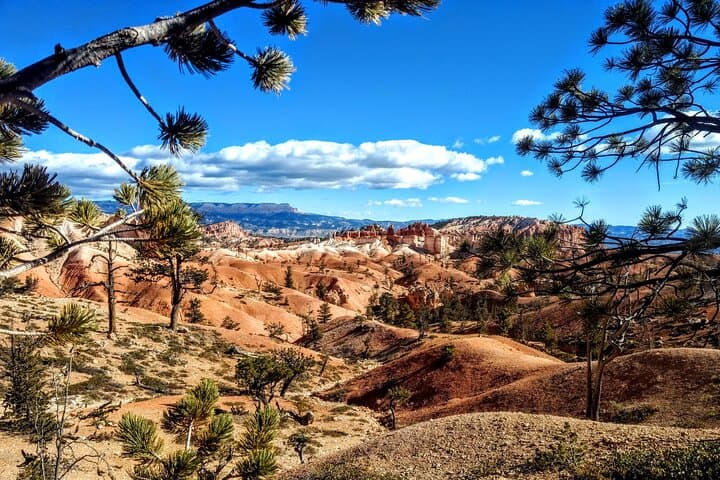
You step off the mini bus and the air feels thinner, colder in the way high plateaus do — sharp and clear enough to make the hoodoos ahead look almost sculpted against the sky.
Verified experiences and guided adventures in the surrounding area.
Operated by Bryce Canyon Scenic Tours · Bryce Canyon City, Utah
You step off the mini bus and the air feels thinner, colder in the way high plateaus do — sharp and clear enough to make the hoodoos ahead look almost sculpted against the sky.
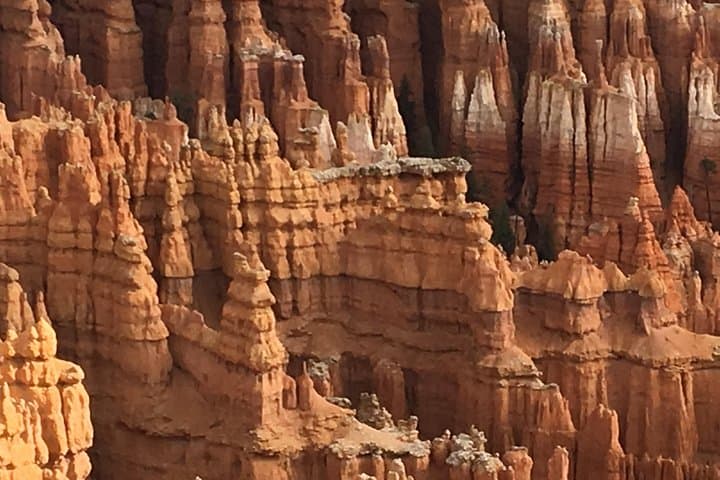
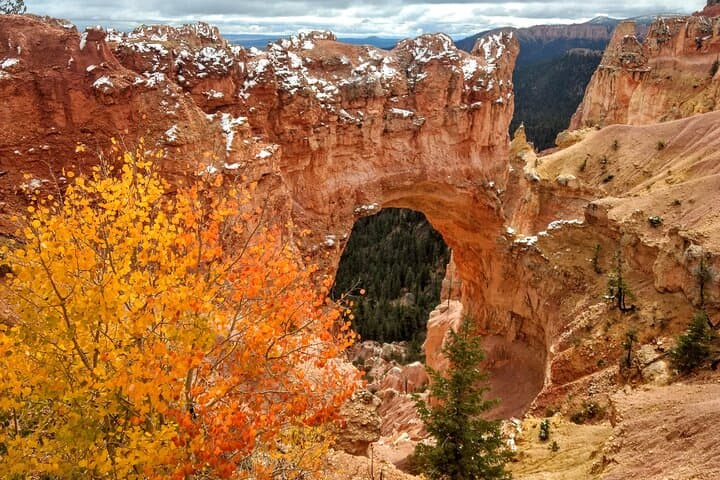
This three-hour scenic tour threads the rim road of Bryce Canyon National Park, pausing at Sunrise Point, Inspiration Point and lesser-known overlooks so the group can drink in the amphitheater of stone. The guide, a local who reads weather and crowds like a map, points out the white, pink and red bands of the Claron Formation and explains how long winters, freeze-thaw cycles and ancient lakes carved these spires into improbable towers.
Bryce sits on the Paunsaugunt Plateau; its amphitheater is not a canyon but an eroded edge of uplifted sedimentary layers. The Paiute people passed through and left oral histories that nearby communities still share. Mormon settlers later mapped wagon roads and place names; the park itself was designated in 1928. Today, management balances heavy visitation with fragile high-elevation soils and a brief growing season for the sparse pinyon-juniper and sage that cling to edges.
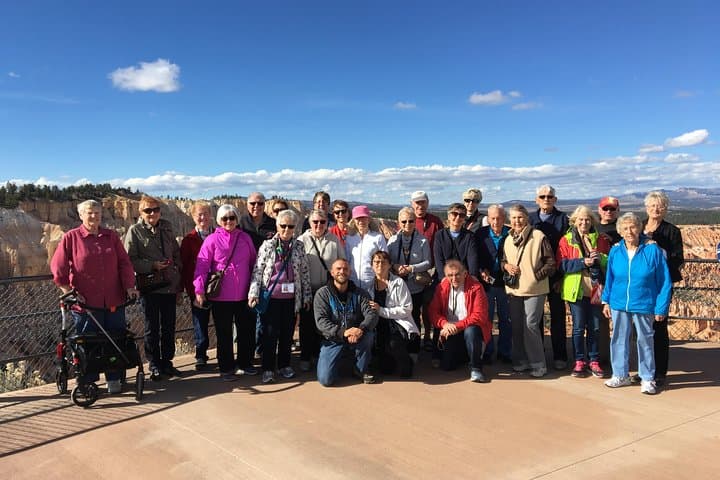
Guides on this small-group mini bus tour combine geology with operational know-how: they navigate parking and closures to maximize viewing time, and they know when to detour to Mossy Cave or Yovimpa Point if conditions favor it. Snacks and bottled water are included, and groups are capped to keep things conversational and quick to reboard.
Practicalities shape the experience. The tour departs from an office adjacent to Bryce Wildlife Adventure — not from inside the park — so allow a buffer for arrival and heed the company’s directions (don’t follow the dirt roads or rely on Waze for final approach). Park entrance fees are not included, so have your pass or cash ready. Expect altitude; even a short walk can raise heart rates and spark headaches for those unused to 8,000–9,000 feet.
Dress in layers: mornings can be below freezing in shoulder seasons, afternoons warm fast under high desert sun. Footwear should be sturdy enough for short rim walks and uneven overlooks. Photography requires patience; shifting light sculpts the hoodoos by the minute.
If you want to squeeze more out of the day, ask the guide about extended hikes like Navajo Loop or a stop at Mossy Cave trailhead for a quick waterfall view outside the amphitheater. For quieter moments, linger at Yovimpa Point where the platform feels a world away from the busiest overlooks. With local storytelling, logistical smarts, and a compact itinerary, this three-hour tour is a practical way to see the park’s essentials without losing the sense of being somewhere geologic time still speaks.
easy.
3 hours.
Suitable for most fitness levels; some short standing and easy walks at high elevation so basic mobility is required
Yes — admission to Bryce Canyon National Park is not included in the tour price; have your pass or payment ready at the entrance.
Meet at the company office on the same property as Bryce Wildlife Adventure; follow the operator’s directions rather than Waze to avoid a dirt road error.
Yes — infants may ride in a stroller or sit on a lap as noted, and the tour is rated easy, but caregivers should monitor altitude effects on small children.
The operator may cancel or reschedule for severe weather; the cancellation policy allows full refund with 24+ hours notice when the trip is canceled for weather.
The tour involves short, mostly level walks to overlooks; travelers with limited mobility should contact the operator in advance to discuss specific needs.
Yes — bottled water and light snacks are included in the tour inclusions.
The Paunsaugunt Plateau was used seasonally by Paiute peoples; Bryce Canyon became a national park in 1928 after local efforts to protect its unique hoodoo amphitheater.
Stay on designated trails and avoid trampling fragile vegetation; small-group tours help reduce vehicle congestion and localized soil erosion.
Bryce Canyon Scenic Tours operates guided outdoor trips and adventures with an emphasis on safety, stewardship, and memorable experiences.
You step off the mini bus and the air feels thinner, colder in the way high plateaus do — sharp and clear enough to make the hoodoos ahead look almost sculpted against the sky.
You step off the mini bus and the air feels thinner, colder in the way high plateaus do — sharp and clear enough to make the hoodoos ahead look almost sculpted against the sky.
This three-hour scenic tour threads the rim road of Bryce Canyon National Park, pausing at Sunrise Point, Inspiration Point and lesser-known overlooks so the group can drink in the amphitheater of stone. The guide, a local who reads weather and crowds like a map, points out the white, pink and red bands of the Claron Formation and explains how long winters, freeze-thaw cycles and ancient lakes carved these spires into improbable towers.
Bryce sits on the Paunsaugunt Plateau; its amphitheater is not a canyon but an eroded edge of uplifted sedimentary layers. The Paiute people passed through and left oral histories that nearby communities still share. Mormon settlers later mapped wagon roads and place names; the park itself was designated in 1928. Today, management balances heavy visitation with fragile high-elevation soils and a brief growing season for the sparse pinyon-juniper and sage that cling to edges.
Guides on this small-group mini bus tour combine geology with operational know-how: they navigate parking and closures to maximize viewing time, and they know when to detour to Mossy Cave or Yovimpa Point if conditions favor it. Snacks and bottled water are included, and groups are capped to keep things conversational and quick to reboard.
Practicalities shape the experience. The tour departs from an office adjacent to Bryce Wildlife Adventure — not from inside the park — so allow a buffer for arrival and heed the company’s directions (don’t follow the dirt roads or rely on Waze for final approach). Park entrance fees are not included, so have your pass or cash ready. Expect altitude; even a short walk can raise heart rates and spark headaches for those unused to 8,000–9,000 feet.
Dress in layers: mornings can be below freezing in shoulder seasons, afternoons warm fast under high desert sun. Footwear should be sturdy enough for short rim walks and uneven overlooks. Photography requires patience; shifting light sculpts the hoodoos by the minute.
If you want to squeeze more out of the day, ask the guide about extended hikes like Navajo Loop or a stop at Mossy Cave trailhead for a quick waterfall view outside the amphitheater. For quieter moments, linger at Yovimpa Point where the platform feels a world away from the busiest overlooks. With local storytelling, logistical smarts, and a compact itinerary, this three-hour tour is a practical way to see the park’s essentials without losing the sense of being somewhere geologic time still speaks.