THE ADVENTURE COLLECTIVE® · Independent discovery and booking for outdoor travel

Walk Pompeii with an expert for three hours of concentrated discovery — from bakeries and baths to newly opened houses and street graffiti. This guided tour balances rich history with practical tips to help you navigate uneven streets, frescoes, and volcanic terrain.
Walk Pompeii with an expert for three hours of concentrated discovery — from bakeries and baths to newly opened houses and street graffiti. This guided tour balances rich history with practical tips to help you navigate uneven streets, frescoes, and volcanic terrain.
You step from the modern pavement and the ruined city opens like a city frozen mid-breath: alleys cut by cart ruts, painted walls with pigments that still catch the sun, and Vesuvius watching the plain beyond as if keeping time.
Verified experiences and guided adventures in the surrounding area.
Operated by Campaniaguide · Pompeii, Campania
You step from the modern pavement and the ruined city opens like a city frozen mid-breath: alleys cut by cart ruts, painted walls with pigments that still catch the sun, and Vesuvius watching the plain beyond as if keeping time.
This three-hour guided walk moves beyond postcard views into the everyday mechanics of Pompeii — its bakeries, baths, brothel, the amphitheater and the Street of Abundance. The eruption of AD 79 and the volcanic materials that followed created a unique archaeological record; ash and pumice preserved wooden doors, frescoes, and even voids where bodies once lay, later filled to create the famous casts.
Geology here is immediate: volcanic tuff underfoot, pumice layers in the excavation trenches and a landscape carved by centuries of human reuse. Cultural notes surface in mosaics and graffiti — messages from market sellers, political slogans, and graffiti that make the past surprisingly contemporary.
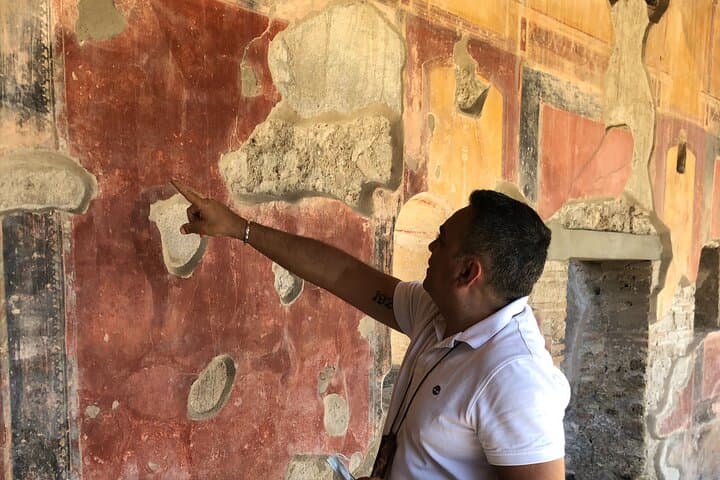
Practical guidance: wear sturdy shoes — streets are uneven and occasionally slippery. Expect slow walking with frequent stops; the expert guide will lead you through both the classic itineraries and newly opened houses and graffiti-rich corners. Bring water and sun protection in summer; layered clothing works for shoulder seasons. Restrooms and a few shaded spots exist but plan bathroom breaks before entering the site.
This itinerary is best for curious travelers who want detail over speed: it’s immersive, interpretive and paced to let the architecture and everyday traces of Roman life speak. Arrival early or late in the day reduces crowds and makes frescoes and alleys easier to appreciate.
easy.
3 hours.
Light fitness required: standing and walking on uneven surfaces for several hours; suitable for most travelers.
This tour description notes admission is not included; confirm whether tickets are provided or need purchase separately.
Some pathways are accessible for strollers, but many archaeological streets are uneven; visitors with mobility concerns should contact the operator in advance.
Photography for personal use is generally allowed, but avoid flash on frescoes and follow any signage restricting access or tripods.
Full refund available if canceled at least 24 hours before departure; bad weather or low passenger numbers may cancel the tour.
Pompeii was buried by Mount Vesuvius in AD 79; successive excavations since the 18th century have revealed streets, houses and public buildings that illuminate Roman daily life.
The site is vulnerable to weathering and visitor impact; remain on marked paths, avoid touching frescoes and consider supporting conservation fees or local preservation programs.
Campaniaguide operates guided outdoor trips and adventures with an emphasis on safety, stewardship, and memorable experiences.
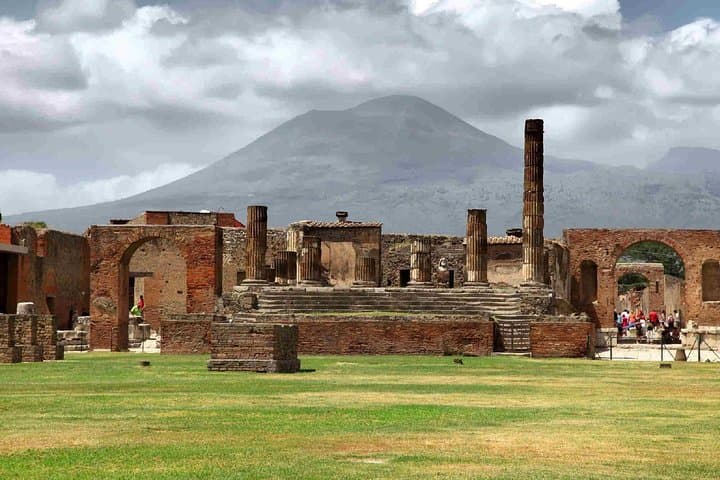
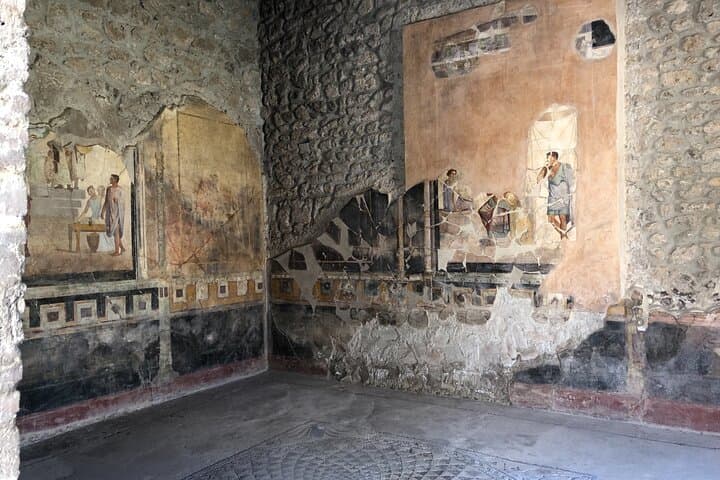
You step from the modern pavement and the ruined city opens like a city frozen mid-breath: alleys cut by cart ruts, painted walls with pigments that still catch the sun, and Vesuvius watching the plain beyond as if keeping time.
You step from the modern pavement and the ruined city opens like a city frozen mid-breath: alleys cut by cart ruts, painted walls with pigments that still catch the sun, and Vesuvius watching the plain beyond as if keeping time.
This three-hour guided walk moves beyond postcard views into the everyday mechanics of Pompeii — its bakeries, baths, brothel, the amphitheater and the Street of Abundance. The eruption of AD 79 and the volcanic materials that followed created a unique archaeological record; ash and pumice preserved wooden doors, frescoes, and even voids where bodies once lay, later filled to create the famous casts.
Geology here is immediate: volcanic tuff underfoot, pumice layers in the excavation trenches and a landscape carved by centuries of human reuse. Cultural notes surface in mosaics and graffiti — messages from market sellers, political slogans, and graffiti that make the past surprisingly contemporary.
Practical guidance: wear sturdy shoes — streets are uneven and occasionally slippery. Expect slow walking with frequent stops; the expert guide will lead you through both the classic itineraries and newly opened houses and graffiti-rich corners. Bring water and sun protection in summer; layered clothing works for shoulder seasons. Restrooms and a few shaded spots exist but plan bathroom breaks before entering the site.
This itinerary is best for curious travelers who want detail over speed: it’s immersive, interpretive and paced to let the architecture and everyday traces of Roman life speak. Arrival early or late in the day reduces crowds and makes frescoes and alleys easier to appreciate.