THE ADVENTURE COLLECTIVE® · Independent discovery and booking for outdoor travel

A three-hour guided walk from Houston City Hall explores Hermann Park’s Centennial and Japanese Gardens, the Rienzi landscape, and a stretch of the Houston Arboretum. Expect flat, stroller-friendly paths, abundant photo spots, and seasonal peaks for flowers in spring and cooler October weather.
A three-hour guided walk from Houston City Hall explores Hermann Park’s Centennial and Japanese Gardens, the Rienzi landscape, and a stretch of the Houston Arboretum. Expect flat, stroller-friendly paths, abundant photo spots, and seasonal peaks for flowers in spring and cooler October weather.
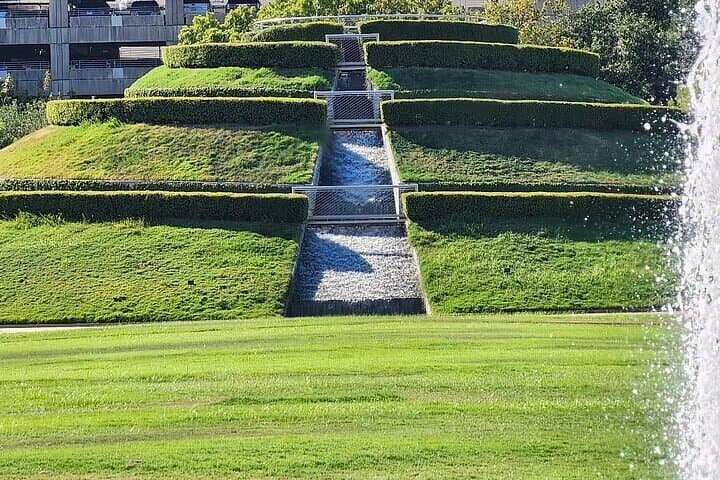
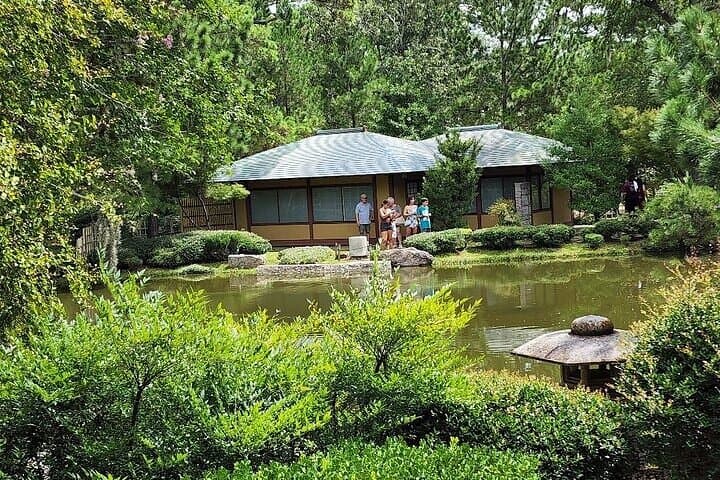
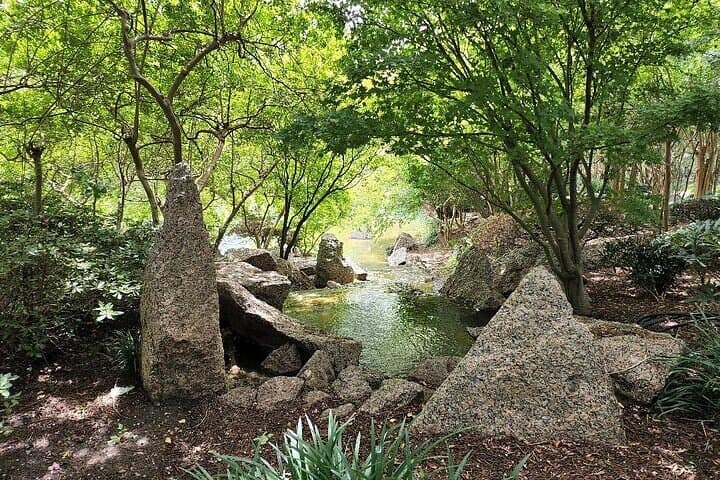
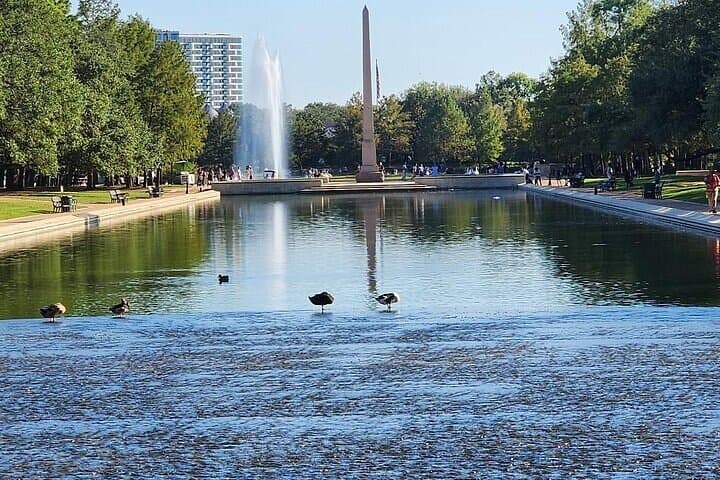
You step out of the rotunda at Houston City Hall and the city’s noise recedes into the green hush of parkland — magnolias, crepe myrtles and maples guiding the route. Over three hours the tour threads through designed landscapes: the compact, Daimyo-style Japanese Garden with its waterfall and stone lanterns; the McGovern Centennial Gardens’ sculpted ramps, pagoda and reflective pools; the refined Rienzi grounds with ravines that slope toward Buffalo Bayou; and a stretch of the Houston Arboretum’s five miles of trails.
Verified experiences and guided adventures in the surrounding area.
Operated by Houston Historical Tours - Day Tours · Houston, Texas
You step out of the rotunda at Houston City Hall and the city’s noise recedes into the green hush of parkland — magnolias, crepe myrtles and maples guiding the route. Over three hours the tour threads through designed landscapes: the compact, Daimyo-style Japanese Garden with its waterfall and stone lanterns; the McGovern Centennial Gardens’ sculpted ramps, pagoda and reflective pools; the refined Rienzi grounds with ravines that slope toward Buffalo Bayou; and a stretch of the Houston Arboretum’s five miles of trails.
These sites map more than botanical variety; they reflect Houston’s mid-20th-century park-making and later cultural investments — Ken Nakajima’s Japanese Garden (1992), Ralph Gunn’s plantings at Rienzi, and the Centennial Gardens’ 2014 redesign. Geologically the terrain is flat and bayou-influenced, with boardwalks over swampy low spots and native oaks and pines that tolerate Houston’s clay soils and humidity.
Wildlife is urban and unafraid: ducks and koi in ponds, songbirds among understory shrubs, and squirrels darting stone paths. Photography opportunities concentrate at the pagodas, the waterfall ramp in Centennial Gardens, and the Arboretum’s overlooks.
Practical guidance: the walking is easy and mostly on paved paths or boardwalks; plan for roughly 1.5–3 miles total with negligible elevation gain. Peak comfort is late February through April and October; summers are hot and humid, and winters require a warm layer. Bring water, sun protection, comfortable walking shoes, and a compact umbrella if rain is forecast. The route is stroller-friendly and accessible by public transit; tours are private and run by reservation.
easy.
3 hours.
Suitable for most fitness levels; walkers should be able to handle 1.5–3 miles on mostly flat terrain.
Meet inside the rotunda of Houston City Hall at 901 Bagby Street on weekdays; on weekends the meeting point is a park bench on the east side of City Hall.
The route is stroller-accessible and service animals are allowed; pets beyond service animals are not indicated as permitted.
Expect roughly 1.5–3 miles of walking over mostly paved paths and boardwalks with negligible elevation gain across the three-hour itinerary.
The tour listing notes entrance fees are included where required and guided services are part of the booking.
Gardens visited span mid-20th-century landscape design through 21st-century civic renewals — Nakajima’s Japanese Garden (1992) and the Centennial Gardens’ 2014 redesign are highlights.
The Arboretum emphasizes native plantings and habitat restoration; visitors are asked to stay on paths to protect understory species and avoid feeding wildlife.
Houston Historical Tours - Day Tours operates guided outdoor trips and adventures with an emphasis on safety, stewardship, and memorable experiences.
You step out of the rotunda at Houston City Hall and the city’s noise recedes into the green hush of parkland — magnolias, crepe myrtles and maples guiding the route. Over three hours the tour threads through designed landscapes: the compact, Daimyo-style Japanese Garden with its waterfall and stone lanterns; the McGovern Centennial Gardens’ sculpted ramps, pagoda and reflective pools; the refined Rienzi grounds with ravines that slope toward Buffalo Bayou; and a stretch of the Houston Arboretum’s five miles of trails.
You step out of the rotunda at Houston City Hall and the city’s noise recedes into the green hush of parkland — magnolias, crepe myrtles and maples guiding the route. Over three hours the tour threads through designed landscapes: the compact, Daimyo-style Japanese Garden with its waterfall and stone lanterns; the McGovern Centennial Gardens’ sculpted ramps, pagoda and reflective pools; the refined Rienzi grounds with ravines that slope toward Buffalo Bayou; and a stretch of the Houston Arboretum’s five miles of trails.
These sites map more than botanical variety; they reflect Houston’s mid-20th-century park-making and later cultural investments — Ken Nakajima’s Japanese Garden (1992), Ralph Gunn’s plantings at Rienzi, and the Centennial Gardens’ 2014 redesign. Geologically the terrain is flat and bayou-influenced, with boardwalks over swampy low spots and native oaks and pines that tolerate Houston’s clay soils and humidity.
Wildlife is urban and unafraid: ducks and koi in ponds, songbirds among understory shrubs, and squirrels darting stone paths. Photography opportunities concentrate at the pagodas, the waterfall ramp in Centennial Gardens, and the Arboretum’s overlooks.
Practical guidance: the walking is easy and mostly on paved paths or boardwalks; plan for roughly 1.5–3 miles total with negligible elevation gain. Peak comfort is late February through April and October; summers are hot and humid, and winters require a warm layer. Bring water, sun protection, comfortable walking shoes, and a compact umbrella if rain is forecast. The route is stroller-friendly and accessible by public transit; tours are private and run by reservation.