THE ADVENTURE COLLECTIVE® · Independent discovery and booking for outdoor travel

A focused three-hour game drive from Kasane into Chobe National Park delivers high-density wildlife viewing — from elephant herds on the floodplain to hippos in river eddies. This guide explains what to expect and how to prepare for a short, wildlife-packed safari.
A focused three-hour game drive from Kasane into Chobe National Park delivers high-density wildlife viewing — from elephant herds on the floodplain to hippos in river eddies. This guide explains what to expect and how to prepare for a short, wildlife-packed safari.
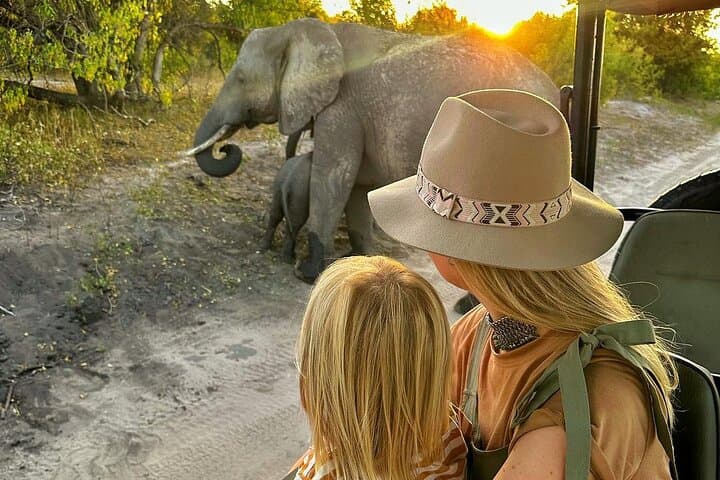
The vehicle bumps off the gravel and the floodplain opens: tawny dust gives way to riverine grass, and a line of stately elephants moves like a slow, deliberate current. In a three-hour game drive from Kasane into Chobe National Park, the landscape directs the rhythm — between mopane woodland and broad floodplains where hippos wallow and crocodiles flick their tails.
Verified experiences and guided adventures in the surrounding area.
Operated by Afrinature Safaris · Kasane, Chobe District
The vehicle bumps off the gravel and the floodplain opens: tawny dust gives way to riverine grass, and a line of stately elephants moves like a slow, deliberate current. In a three-hour game drive from Kasane into Chobe National Park, the landscape directs the rhythm — between mopane woodland and broad floodplains where hippos wallow and crocodiles flick their tails.
Chobe is one of southern Africa’s oldest protected areas, carved along the Chobe and Linyanti systems; its seasonal floods shape the plain and concentrate wildlife. The geology is gentle — sedimentary soils and alluvial fans feed the grasslands — while human history here includes Tswana and San peoples who read the land by spoor. Guides often share local cultural notes about river crossings, fisheries, and the long relationship between communities and game.
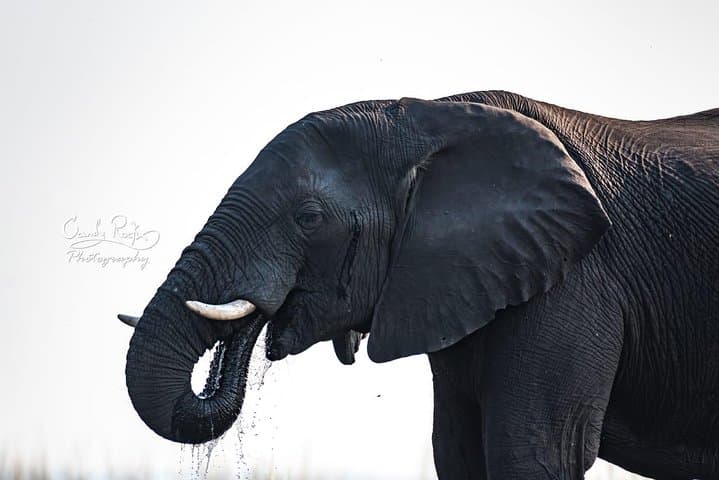
Expect intimate sightings: large herds of elephant, pods of hippo at the river edge, and the patient shapes of lions and leopards if luck is on your side. Birdlife is abundant; kingfishers and herons puncture the skyline.
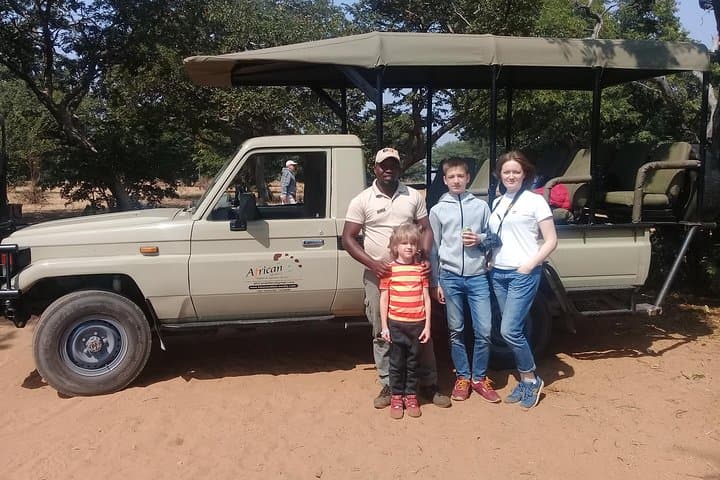
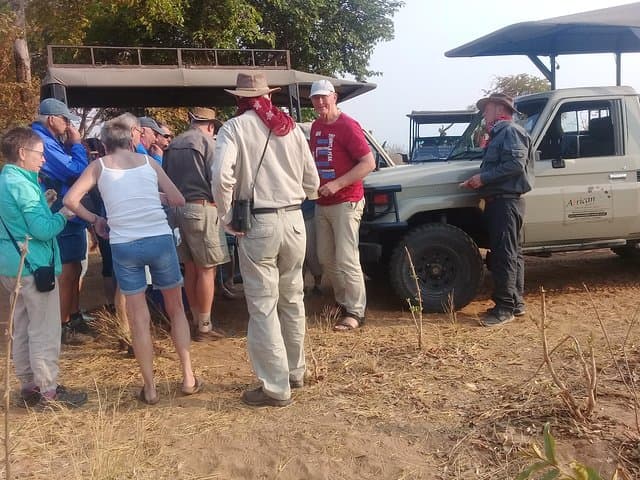
Practical guidance: drives last about three hours in open 4x4 vehicles with naturalist guides; stops are made for photography and short stretches with tea or coffee. Wear neutral clothing, a sun hat, and closed shoes for dusty approaches. Carry water, sunscreen, and binoculars. Morning and late-afternoon departures give the best light and animal activity; mid-day can be quiet and hot. Respect the guide’s instructions — wildlife sets the pace here — and keep noise low to improve sightings.
easy.
3 hours.
Suitable for most fitness levels; involves short vehicle exits and brief walks at stops.
Pickup is typically scheduled around dawn or mid-afternoon; arrive 15–30 minutes early to ensure a timely departure and to complete any check-in requirements.
Elephants are common in Chobe and frequently seen on most drives, but wildlife sightings can’t be guaranteed — movement depends on season and recent water distribution.
Yes — vehicles often accommodate children and specialized infant seats may be available; confirm at booking and follow safety guidance from your guide.
Most operators provide English-speaking guides and naturalists; check ahead if you require another language or have special interpretive needs.
Chobe has long been a crossroads for Tswana and San communities and was formalized as a protected area in the 20th century to conserve its riverine ecosystems and large mammals.
Park management focuses on managing water resources, anti-poaching patrols, and community-based tourism revenue to reduce human-wildlife conflict and support local livelihoods.
Afrinature Safaris operates guided outdoor trips and adventures with an emphasis on safety, stewardship, and memorable experiences.
The vehicle bumps off the gravel and the floodplain opens: tawny dust gives way to riverine grass, and a line of stately elephants moves like a slow, deliberate current. In a three-hour game drive from Kasane into Chobe National Park, the landscape directs the rhythm — between mopane woodland and broad floodplains where hippos wallow and crocodiles flick their tails.
The vehicle bumps off the gravel and the floodplain opens: tawny dust gives way to riverine grass, and a line of stately elephants moves like a slow, deliberate current. In a three-hour game drive from Kasane into Chobe National Park, the landscape directs the rhythm — between mopane woodland and broad floodplains where hippos wallow and crocodiles flick their tails.
Chobe is one of southern Africa’s oldest protected areas, carved along the Chobe and Linyanti systems; its seasonal floods shape the plain and concentrate wildlife. The geology is gentle — sedimentary soils and alluvial fans feed the grasslands — while human history here includes Tswana and San peoples who read the land by spoor. Guides often share local cultural notes about river crossings, fisheries, and the long relationship between communities and game.
Expect intimate sightings: large herds of elephant, pods of hippo at the river edge, and the patient shapes of lions and leopards if luck is on your side. Birdlife is abundant; kingfishers and herons puncture the skyline.
Practical guidance: drives last about three hours in open 4x4 vehicles with naturalist guides; stops are made for photography and short stretches with tea or coffee. Wear neutral clothing, a sun hat, and closed shoes for dusty approaches. Carry water, sunscreen, and binoculars. Morning and late-afternoon departures give the best light and animal activity; mid-day can be quiet and hot. Respect the guide’s instructions — wildlife sets the pace here — and keep noise low to improve sightings.