THE ADVENTURE COLLECTIVE® · Independent discovery and booking for outdoor travel

See Edo-era power, piety, and merchant life in a single, long day from Tokyo. This coach tour links the Imperial Palace with Nikko’s Toshogu and Kawagoe’s kurazukuri streets — a compact cultural circuit for time‑pressed travelers.
See Edo-era power, piety, and merchant life in a single, long day from Tokyo. This coach tour links the Imperial Palace with Nikko’s Toshogu and Kawagoe’s kurazukuri streets — a compact cultural circuit for time‑pressed travelers.
You step out in Shinjuku before dawn, the city still rubbing sleep from its eyes as the coach hums toward the mountains. The road north slips under low cloud and the dark spine of the Nikko range rises to meet you — stone gates and cedar groves like quiet sentries guiding the way.
Verified experiences and guided adventures in the surrounding area.
Operated by VAS · Tokyo, Tokyo
You step out in Shinjuku before dawn, the city still rubbing sleep from its eyes as the coach hums toward the mountains. The road north slips under low cloud and the dark spine of the Nikko range rises to meet you — stone gates and cedar groves like quiet sentries guiding the way.
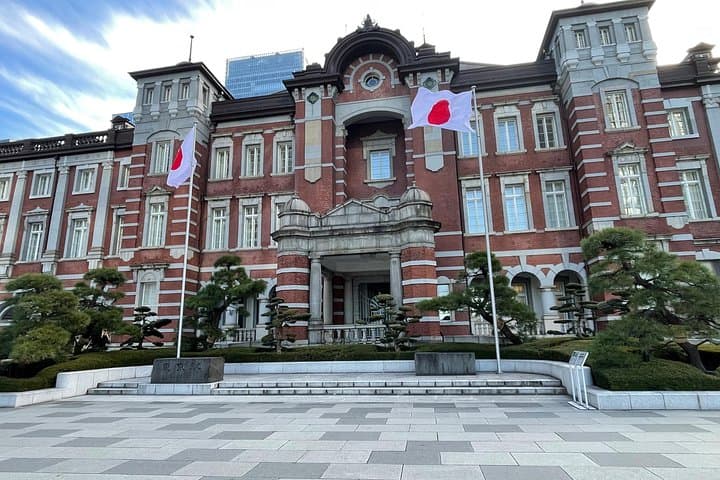
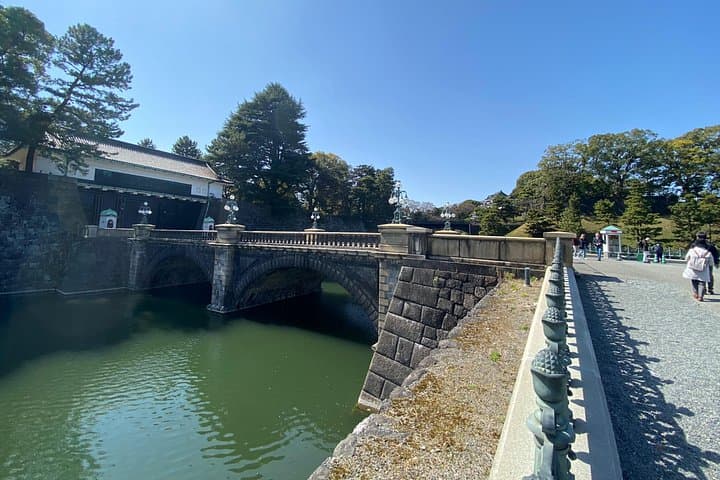
This day tour threads three eras of Edo-era Japan. In Tokyo you’ll walk the outer circle of the Imperial Palace, reading the defensive geometry and ceremonial gates that defined political power. In Nikko, Toshogu’s lacquered carvings and towering torii reflect the Tokugawa shogunate’s desire to project order; the site was positioned to guard Edo against the Kimon, the “demon gate,” giving the landscape spiritual purpose as well as strategic value. Kawagoe’s kurazukuri streets and bell tower reveal merchant life — a small-town response to Edo modernization after the Meiji reforms.
Geology and climate matter: Nikko’s volcanic soils and steep river valleys shaped pilgrimage routes and timber supply for shrine construction, while Kawagoe sits on low alluvial plain that supported merchant warehouses.
Practical guidance: expect a long day (roughly 10–12 hours), with periods of walking on paved and gravel surfaces; wear sturdy shoes and bring a light rain layer. Carry small bills for shrine offerings and local snacks; a charged phone and portable charger will keep maps and photos flowing. The itinerary balances guided interpretation with free time to explore shrines, museum displays, and Kawagoe’s traditional shops.
moderate.
10–12 hours.
Moderate fitness—able to stand and walk several hours with short uphill sections and stairs at shrines.
Meet and end point is in front of the Shinjuku Post Office near Shinjuku Station West Exit; exact meeting instructions will be provided at booking.
Yes, the tour notes indicate admission to the Nikko world heritage site is included in the itinerary.
The tour includes staircases, uneven paths and several hours of walking; it is not recommended for those with significant mobility limitations or spinal injuries.
Lunch is included; inform the operator of dietary restrictions when booking and again before departure so alternatives can be arranged when possible.
The tour centers on Tokugawa-era power and religion: Toshogu enshrines Tokugawa Ieyasu and was deliberately located to protect Edo; Kawagoe preserves merchant architecture that adapted after the Meiji Restoration.
Historic sites near Nikko and Kawagoe face visitor pressure—stay on marked paths, avoid feeding wildlife, and respect shrine rules to reduce impact.
VAS operates guided outdoor trips and adventures with an emphasis on safety, stewardship, and memorable experiences.
You step out in Shinjuku before dawn, the city still rubbing sleep from its eyes as the coach hums toward the mountains. The road north slips under low cloud and the dark spine of the Nikko range rises to meet you — stone gates and cedar groves like quiet sentries guiding the way.
You step out in Shinjuku before dawn, the city still rubbing sleep from its eyes as the coach hums toward the mountains. The road north slips under low cloud and the dark spine of the Nikko range rises to meet you — stone gates and cedar groves like quiet sentries guiding the way.
This day tour threads three eras of Edo-era Japan. In Tokyo you’ll walk the outer circle of the Imperial Palace, reading the defensive geometry and ceremonial gates that defined political power. In Nikko, Toshogu’s lacquered carvings and towering torii reflect the Tokugawa shogunate’s desire to project order; the site was positioned to guard Edo against the Kimon, the “demon gate,” giving the landscape spiritual purpose as well as strategic value. Kawagoe’s kurazukuri streets and bell tower reveal merchant life — a small-town response to Edo modernization after the Meiji reforms.
Geology and climate matter: Nikko’s volcanic soils and steep river valleys shaped pilgrimage routes and timber supply for shrine construction, while Kawagoe sits on low alluvial plain that supported merchant warehouses.
Practical guidance: expect a long day (roughly 10–12 hours), with periods of walking on paved and gravel surfaces; wear sturdy shoes and bring a light rain layer. Carry small bills for shrine offerings and local snacks; a charged phone and portable charger will keep maps and photos flowing. The itinerary balances guided interpretation with free time to explore shrines, museum displays, and Kawagoe’s traditional shops.