THE ADVENTURE COLLECTIVE® · Independent discovery and booking for outdoor travel

Spend a full day diving Nusa Penida’s famous sites: manta cleaning stations, steep reef walls and a third afternoon dive after lunch. This trip is best for certified divers who can handle currents and want high-likelihood encounters with manta rays and seasonal mola-mola.
Spend a full day diving Nusa Penida’s famous sites: manta cleaning stations, steep reef walls and a third afternoon dive after lunch. This trip is best for certified divers who can handle currents and want high-likelihood encounters with manta rays and seasonal mola-mola.
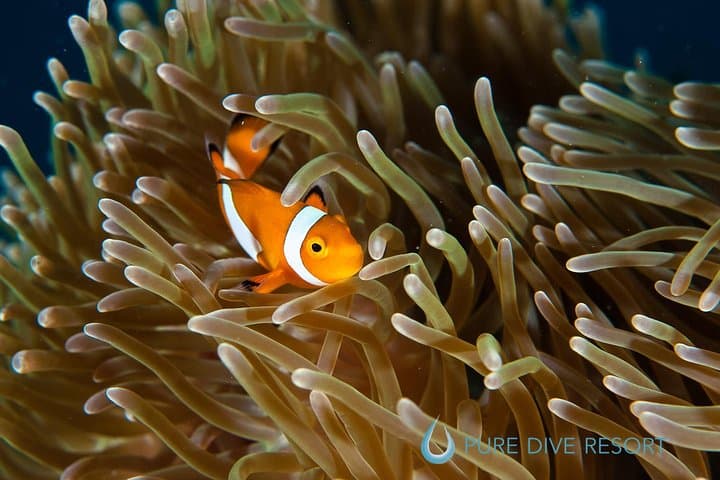
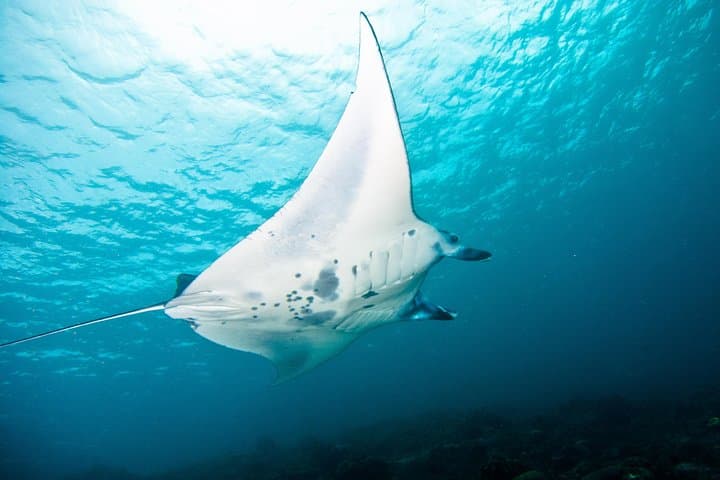
Slipping off the Sanur coast at dawn, the boat cuts through a slow blue current and the underside of Nusa Penida rises like a coral cliff from the sea—sheer walls, pinnacles and cleaning stations where mantas sweep like living kites. The first plunge often drops onto a busy reef: schools of fusiliers flash; turtles tuck into ledges; eagle rays wheel in the blue.
Verified experiences and guided adventures in the surrounding area.
Operated by Pure Dive Resort · Nusa Penida, Bali
Slipping off the Sanur coast at dawn, the boat cuts through a slow blue current and the underside of Nusa Penida rises like a coral cliff from the sea—sheer walls, pinnacles and cleaning stations where mantas sweep like living kites. The first plunge often drops onto a busy reef: schools of fusiliers flash; turtles tuck into ledges; eagle rays wheel in the blue.
Geology here is driven by the Lombok Strait. Strong tides sweep nutrient-rich water across the island’s steep limestone faces, feeding plankton blooms and attracting large pelagics. Nusa Penida’s marine history is tied to local fishing and temple culture on land, while dive sites evolved into internationally known biodiversity hotspots over recent decades.
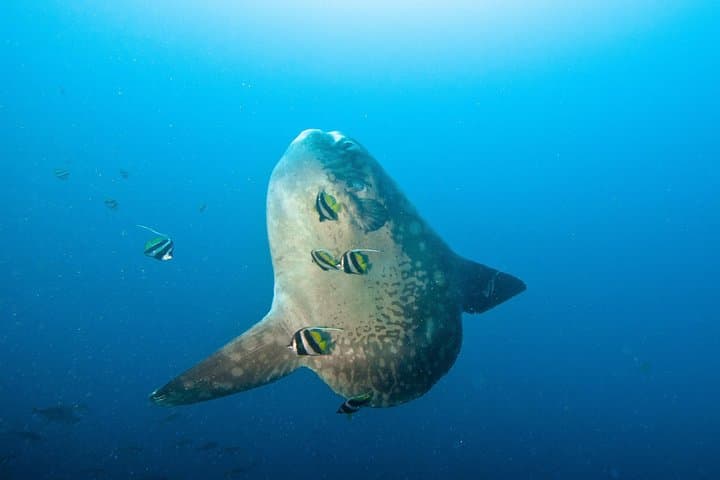
Expect variable currents, dramatic drop-offs and pockets of sheltered reef. Manta Point’s cleaning stations are magnet-like; Crystal Bay and East Penida serve up sheltered coral gardens and, seasonally, mola-mola encounters.
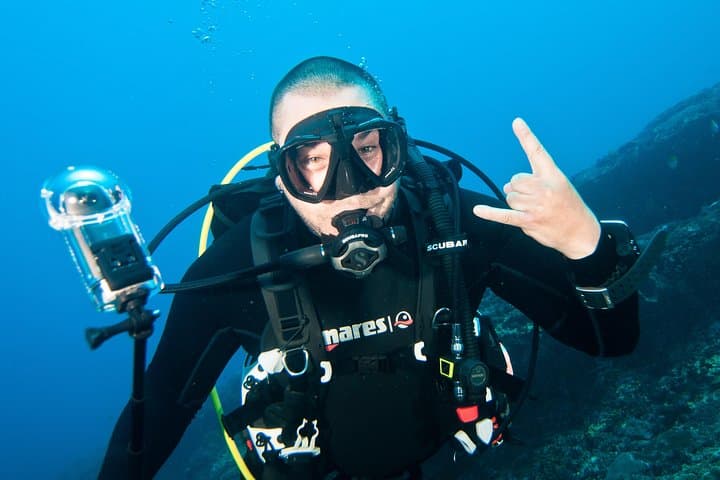
Practical guidance: this full-day trip runs about seven hours, with two morning dives, lunch on a beach cafe and a third afternoon dive. A valid scuba certification and moderate fitness are required; operators usually provide standard gear except dive computers. Manage nitrogen exposure—plan surface intervals, monitor depth, and stay hydrated. Bring a reef-safe sunscreen, a good mask (many divers prefer their own), and seasickness remedies if you’re prone. Pay attention to briefings: currents determine entry, exit and buddy protocols. Operators use moorings and small groups for safety; ask about diver-to-guide ratios and sighting likelihoods for manta and mola visits. With preparation, a three-dive day around Nusa Penida delivers big animals, colorful reef work and long, memorable walls.
moderate.
7 hours.
Moderate fitness—able to do three dives in a day, carry kit on/off a boat, and execute surface swims.
Yes—valid certification from a recognized agency is required and will be checked before boarding.
Standard rental gear is included but dive computers are typically not—bring your own or request one in advance if available.
Common encounters include manta rays, turtles, eagle rays, reef fish and, seasonally (Jul–Nov), mola-mola.
All sales are final, but operators will cancel for bad weather and provide no-refund policies mean rescheduling options depend on the provider.
Nusa Penida sits off Bali’s southeast coast and is made of uplifted limestone; fishing and temple culture shaped island life before dive tourism grew in the 2000s.
Respect mooring buoys, avoid touching or chasing wildlife, and use reef-safe sunscreen—local operators emphasize low-impact diving to protect reef health.
Pure Dive Resort operates guided outdoor trips and adventures with an emphasis on safety, stewardship, and memorable experiences.
Slipping off the Sanur coast at dawn, the boat cuts through a slow blue current and the underside of Nusa Penida rises like a coral cliff from the sea—sheer walls, pinnacles and cleaning stations where mantas sweep like living kites. The first plunge often drops onto a busy reef: schools of fusiliers flash; turtles tuck into ledges; eagle rays wheel in the blue.
Slipping off the Sanur coast at dawn, the boat cuts through a slow blue current and the underside of Nusa Penida rises like a coral cliff from the sea—sheer walls, pinnacles and cleaning stations where mantas sweep like living kites. The first plunge often drops onto a busy reef: schools of fusiliers flash; turtles tuck into ledges; eagle rays wheel in the blue.
Geology here is driven by the Lombok Strait. Strong tides sweep nutrient-rich water across the island’s steep limestone faces, feeding plankton blooms and attracting large pelagics. Nusa Penida’s marine history is tied to local fishing and temple culture on land, while dive sites evolved into internationally known biodiversity hotspots over recent decades.
Expect variable currents, dramatic drop-offs and pockets of sheltered reef. Manta Point’s cleaning stations are magnet-like; Crystal Bay and East Penida serve up sheltered coral gardens and, seasonally, mola-mola encounters.
Practical guidance: this full-day trip runs about seven hours, with two morning dives, lunch on a beach cafe and a third afternoon dive. A valid scuba certification and moderate fitness are required; operators usually provide standard gear except dive computers. Manage nitrogen exposure—plan surface intervals, monitor depth, and stay hydrated. Bring a reef-safe sunscreen, a good mask (many divers prefer their own), and seasickness remedies if you’re prone. Pay attention to briefings: currents determine entry, exit and buddy protocols. Operators use moorings and small groups for safety; ask about diver-to-guide ratios and sighting likelihoods for manta and mola visits. With preparation, a three-dive day around Nusa Penida delivers big animals, colorful reef work and long, memorable walls.