THE ADVENTURE COLLECTIVE® · Independent discovery and booking for outdoor travel

Walk from the shadow of Khufu’s pyramid to the Roman ruins of Alexandria in a focused three-day itinerary that pairs major archaeological sites with practical travel logistics. Expect desert plains, coastal wind, and intensive walking between world-class monuments.
Walk from the shadow of Khufu’s pyramid to the Roman ruins of Alexandria in a focused three-day itinerary that pairs major archaeological sites with practical travel logistics. Expect desert plains, coastal wind, and intensive walking between world-class monuments.
Book with Book My Egypt Tours
Book directly with Book My Egypt Tours for the best rates and real-time scheduling.
Reserve NowVerified experiences and guided adventures in the surrounding area.
Operated by Book My Egypt Tours · Cairo, Cairo Governorate
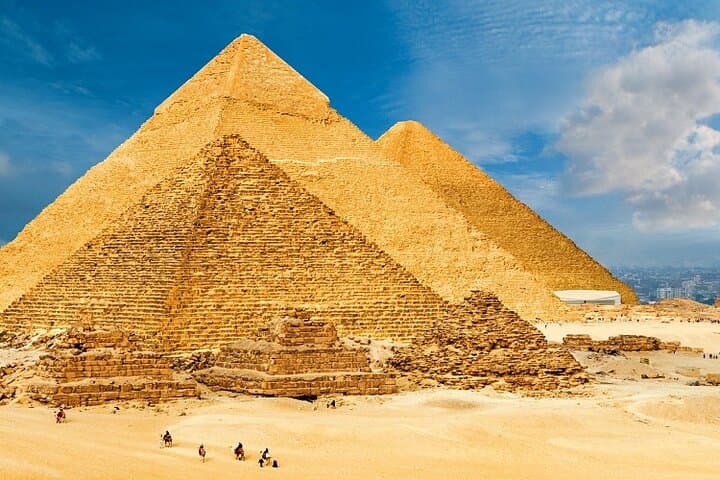
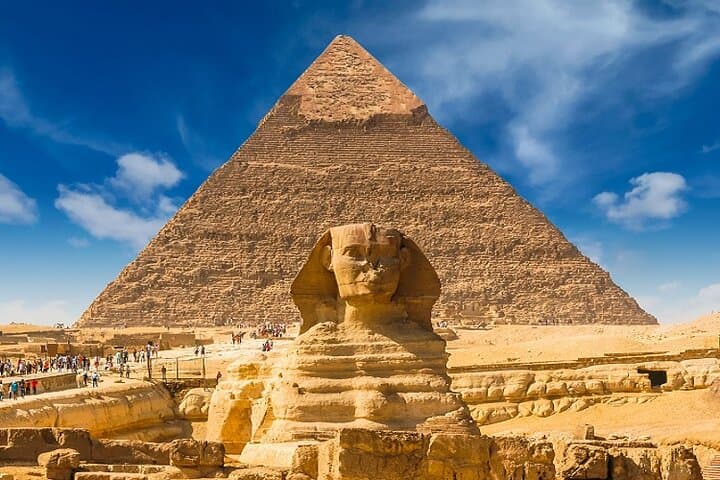
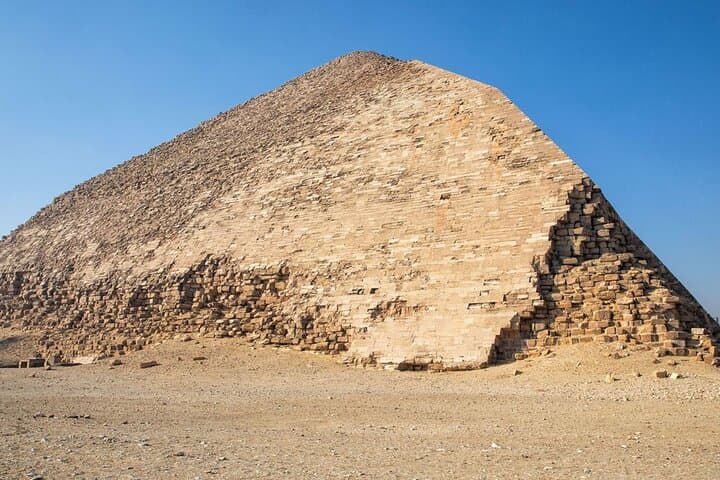
Morning light washes the limestone of the Giza Plateau as the city’s chatter fades into sand and stone. Stand at the base of Khufu’s pyramid and the Sphinx feels less like a relic and more like an old guard watching the Nile’s doorways. Over three days you move between monuments that mark distinct chapters of Egyptian history — the Old Kingdom mastabas and step pyramid at Saqqara, the experimental profiles of Dahshur’s Bent and Red Pyramids, and the Mediterranean layers of Alexandria where Roman theaters rub shoulders with a modern library. Geology here is blunt and honest: wind-polished limestone, Nile silt plains, and coastal sandstone at Alexandria. Culturally the route threads pharaonic funerary practice, Greco-Roman Alexandria and modern Egyptian city life; Memphis preserves colossal statuary that echoes statecraft from 3100 BCE. Expect long drives (Cairo–Alexandria ≈220 km) and short, intense walks across uneven stone surfaces and desert gravel. Practically, plan early starts, light breathable layers, and sun protection; most sites are exposed with limited shade. Bring cash for entry fees and tipping — admission is often ticketed separately and can vary by site. The tour uses a private A/C vehicle and typically supplies bottled water, but carry an insulated bottle for longer stretches. Timing matters: visit high-traffic sites early to avoid heat and crowds. Respect restricted areas in active archaeological zones and follow guides’ instructions inside tombs and museums. With steady shoes and a measured pace, this three-day circuit rewards with a concentrated, tangible sequence of Egypt’s monumental past.
easy.
3 days (approx. 72 hours).
Suitable for all fitness levels; expect multiple short walks, stairways and periods of standing—basic mobility required.
Entrance fees vary by site and tour options; the operator may exclude some admissions—confirm which tickets are covered when booking.
The journey is roughly 220 km and typically takes about 3 to 4 hours each way depending on traffic and route.
The itinerary is rated easy physically, but involves long days, walking and staircases; travelers with mobility issues should check specifics and request assistance.
The itinerary includes a visit to the Library, but note that the Bibliotheca Alexandrina has variable opening hours and parts may be closed—photographs from outside are possible if interior access is limited.
This circuit moves from Egypt’s Old Kingdom court centers (Giza, Saqqara, Dahshur) to Hellenistic and Roman Alexandria, highlighting a continuous urban and funerary evolution across millennia.
Archaeological sites are fragile; stay on marked paths, avoid touching reliefs, and support local conservation by following guide rules and using established facilities.
Book My Egypt Tours operates guided outdoor trips and adventures with an emphasis on safety, stewardship, and memorable experiences.

Book with Book My Egypt Tours
Book directly with Book My Egypt Tours for the best rates and real-time scheduling.
Reserve Now