THE ADVENTURE COLLECTIVE® · Independent discovery and booking for outdoor travel

From Tel Aviv to the rose-hued Treasury and the wind-swept canyons of Wadi Rum: this three-day loop pairs Petra’s carved streets with Bedouin nights and jeep safaris. Expect long walks, border paperwork, and desert skies that demand you look up.
From Tel Aviv to the rose-hued Treasury and the wind-swept canyons of Wadi Rum: this three-day loop pairs Petra’s carved streets with Bedouin nights and jeep safaris. Expect long walks, border paperwork, and desert skies that demand you look up.
A bus eases out of Tel Aviv before dawn and the Mediterranean’s halo slips from the rear window. By midmorning the highway gives way to the Jordanian plateau—an ungloved landscape of ochre folds and ridgelines that seem to hold their breath. In Petra the canyon walls close in, the Siq’s towering ribs funnel you toward a sudden, carved façade: the Treasury’s rose-glow appears like a city remembering itself.
Verified experiences and guided adventures in the surrounding area.
Operated by Abraham Tlalim Tours LTD · Wadi Musa, Ma'an Governorate
A bus eases out of Tel Aviv before dawn and the Mediterranean’s halo slips from the rear window. By midmorning the highway gives way to the Jordanian plateau—an ungloved landscape of ochre folds and ridgelines that seem to hold their breath. In Petra the canyon walls close in, the Siq’s towering ribs funnel you toward a sudden, carved façade: the Treasury’s rose-glow appears like a city remembering itself.
Petra is not merely a site; it’s an accumulation of human ambition stacked in sandstone. The Nabateans refined water engineering and rock-carving into civic art—cisterns, channels and façades that channel both function and drama. Walk farther and the Royal Tombs and the Monastery reward the uphill effort with layered views that map ancient trade routes and climatic forces that sculpted the region for millennia.
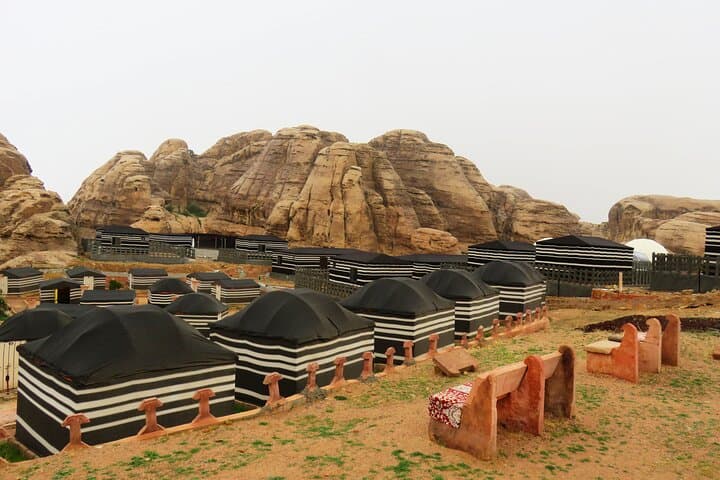
Then the desert shifts. Wadi Rum’s horizon is a slow-motion sculpture of monoliths, canyons and wind-sanded walls. A 4WD jeep climbs and drops, the vehicle’s motion punctuating silence until dunes flatten out like an ocean made of dust. Bedouin camps break the emptiness with woven tents, shared meals and conversation over steaming black coffee. The nights here are a canopy—stars that feel close enough to reach.
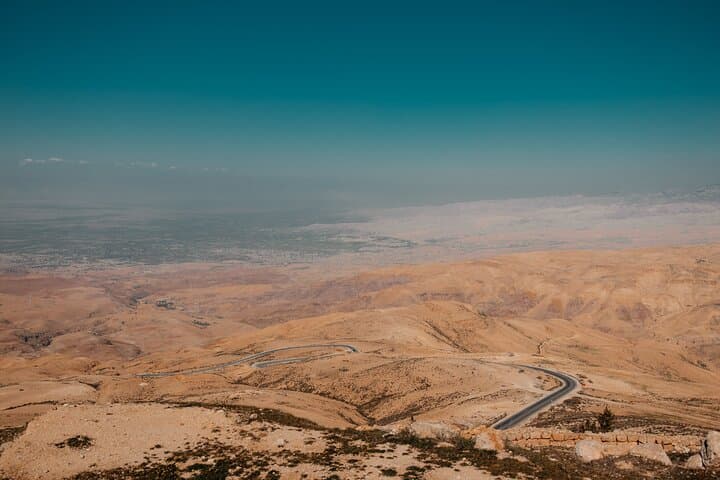
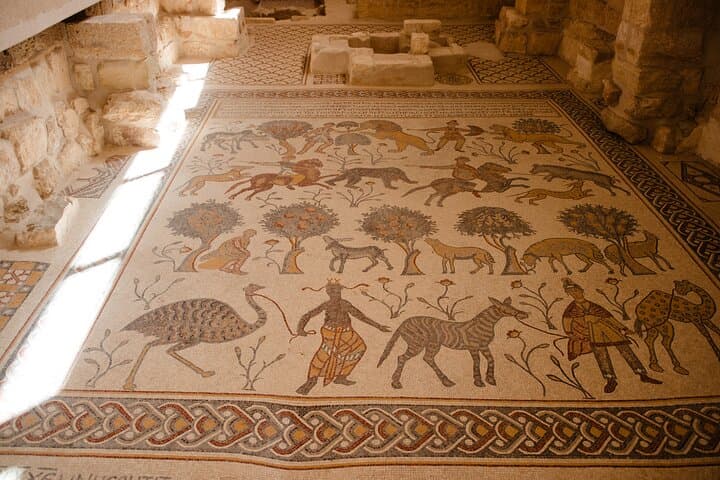
Cultural seams run through the trip: Byzantine mosaics in Madaba and Mount Nebo’s biblical overlook, Crusader fortresses like Shobak, and the modern choreography of border crossings that mark the practicalities of regional travel. Geology and human history are braided; sandstone beds tell of ancient seas, while the town of Wadi Musa supplies the local services that make visiting Petra possible.
Practical guidance: bring sturdy shoes and a daypack for the Siq’s uneven flagstone and the Monastery’s incline—expect 7–10 kilometers of walking across the two full days in Jordan. Border formalities require passports valid beyond your travel dates and, for some nationalities, advance visas; Jordanian departure taxes are paid in JOD cash. Nights in the desert can be cold; pack a warm layer even when daytime is hot. Hydration matters—water refills are available at major sites but carry at least 1.5–2 liters for Petra days.
Timing matters: visit Petra early to avoid heat and the crowd surge, and plan golden-hour shots at the Treasury and the High Place of Sacrifice. In Wadi Rum, a late-afternoon jeep run followed by an overnight at a Bedouin camp delivers the best blend of light and solitude. Respect local rules: off-road driving is regulated in the reserve and drone use is restricted in Jordan.
Three days is a compressed portrait—intense, tactile and logistical—but designed to leave you with carved cliffs, wind-swept dunes and the rare clarity of desert nights.
moderate.
3 days (approx. 72 hours).
Moderate fitness required: expect multiple hours of walking on uneven ground and short uphill sections.
Visa requirements vary by nationality; some travelers receive visas on arrival at the King Hussein Bridge, but check your embassy for pre-entry rules and ensure your passport has sufficient validity.
Yes—solo travelers are welcome but may need to share accommodation with someone of the same gender depending on group size.
Entrance fees to Petra and Wadi Rum are included in this tour’s inclusions as listed, but check for any optional extras you might want to add on site.
Drones are forbidden in Jordan; very large telephoto lenses may also be restricted—check local regulations before packing photography gear.
Expect moderate exertion: the site involves up to several hours of walking on uneven stones and uphill sections to reach viewpoints like the Monastery.
Carry Jordanian dinars (JOD) for local purchases and border taxes; Israeli side may accept ILS, EUR or USD—plan for both when crossing.
Petra was the Nabatean capital and a crossroads of caravan routes; Wadi Rum has hosted Bedouin communities for centuries and features inscriptions from millennia of travelers.
Wadi Rum is a protected reserve—stay on marked routes in 4WD tours and support local camps to help preserve both landscape and livelihoods.
Abraham Tlalim Tours LTD operates guided outdoor trips and adventures with an emphasis on safety, stewardship, and memorable experiences.
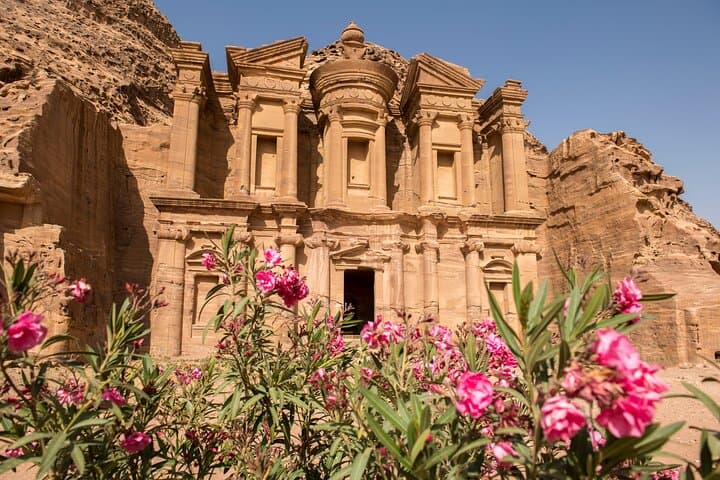
A bus eases out of Tel Aviv before dawn and the Mediterranean’s halo slips from the rear window. By midmorning the highway gives way to the Jordanian plateau—an ungloved landscape of ochre folds and ridgelines that seem to hold their breath. In Petra the canyon walls close in, the Siq’s towering ribs funnel you toward a sudden, carved façade: the Treasury’s rose-glow appears like a city remembering itself.
A bus eases out of Tel Aviv before dawn and the Mediterranean’s halo slips from the rear window. By midmorning the highway gives way to the Jordanian plateau—an ungloved landscape of ochre folds and ridgelines that seem to hold their breath. In Petra the canyon walls close in, the Siq’s towering ribs funnel you toward a sudden, carved façade: the Treasury’s rose-glow appears like a city remembering itself.
Petra is not merely a site; it’s an accumulation of human ambition stacked in sandstone. The Nabateans refined water engineering and rock-carving into civic art—cisterns, channels and façades that channel both function and drama. Walk farther and the Royal Tombs and the Monastery reward the uphill effort with layered views that map ancient trade routes and climatic forces that sculpted the region for millennia.
Then the desert shifts. Wadi Rum’s horizon is a slow-motion sculpture of monoliths, canyons and wind-sanded walls. A 4WD jeep climbs and drops, the vehicle’s motion punctuating silence until dunes flatten out like an ocean made of dust. Bedouin camps break the emptiness with woven tents, shared meals and conversation over steaming black coffee. The nights here are a canopy—stars that feel close enough to reach.
Cultural seams run through the trip: Byzantine mosaics in Madaba and Mount Nebo’s biblical overlook, Crusader fortresses like Shobak, and the modern choreography of border crossings that mark the practicalities of regional travel. Geology and human history are braided; sandstone beds tell of ancient seas, while the town of Wadi Musa supplies the local services that make visiting Petra possible.
Practical guidance: bring sturdy shoes and a daypack for the Siq’s uneven flagstone and the Monastery’s incline—expect 7–10 kilometers of walking across the two full days in Jordan. Border formalities require passports valid beyond your travel dates and, for some nationalities, advance visas; Jordanian departure taxes are paid in JOD cash. Nights in the desert can be cold; pack a warm layer even when daytime is hot. Hydration matters—water refills are available at major sites but carry at least 1.5–2 liters for Petra days.
Timing matters: visit Petra early to avoid heat and the crowd surge, and plan golden-hour shots at the Treasury and the High Place of Sacrifice. In Wadi Rum, a late-afternoon jeep run followed by an overnight at a Bedouin camp delivers the best blend of light and solitude. Respect local rules: off-road driving is regulated in the reserve and drone use is restricted in Jordan.
Three days is a compressed portrait—intense, tactile and logistical—but designed to leave you with carved cliffs, wind-swept dunes and the rare clarity of desert nights.