THE ADVENTURE COLLECTIVE® · Independent discovery and booking for outdoor travel

Move from Giza’s monumental standing stones to Alexandria’s wind-buffed corniche in a compact three-day route that pairs private transfers with an Egyptologist guide. Practical, paced, and rich in context for first-time visitors.
Move from Giza’s monumental standing stones to Alexandria’s wind-buffed corniche in a compact three-day route that pairs private transfers with an Egyptologist guide. Practical, paced, and rich in context for first-time visitors.
The morning air at Giza carries dust and sun; the pyramids cut silhouettes against a city that never really sleeps. On this three-day circuit, travelers move from the slow dignity of ancient stone to the brisk salt-scented corniche of Alexandria, switching tempos with private transfers and an English-speaking Egyptologist who threads context through each stop.
Verified experiences and guided adventures in the surrounding area.
Operated by Elias Tours - إلياس للسياحة · Cairo, Cairo Governorate
The morning air at Giza carries dust and sun; the pyramids cut silhouettes against a city that never really sleeps. On this three-day circuit, travelers move from the slow dignity of ancient stone to the brisk salt-scented corniche of Alexandria, switching tempos with private transfers and an English-speaking Egyptologist who threads context through each stop.
Cairo’s layers are visible in a single day: Pharaonic collections at the Egyptian Museum, medieval ramparts at the Citadel, and Coptic alleys in Old Cairo where churches and synagogues speak of late antique communities. Geologically, the limestone of Giza’s plateau contrasts with the Nile’s alluvial plain—two different processes that shaped where people settled and where monuments were raised. Alexandria’s seaside story is Hellenistic and Roman: Kom El Shoqafa catacombs and Pompey’s Pillar speak to a port-city built as much on trade as on conquest; the Mediterranean laps the harbor with a steady patience.
Practical guidance is straightforward. Expect city walking on uneven pavement, steps and museum floors; comfortable shoes and sun protection matter. Transfers run about 2.5–3 hours each way between Cairo and Alexandria—plan for an early start. Carry modest clothing for mosque visits, a photocopy of your passport for museum entry, and a small day pack for water and camera gear. If museums are a priority, schedule the Egyptian Museum early to avoid crowds and mid-afternoon heat.
This itinerary blends big-ticket archaeology with local rhythm—bazaars, street food, coastal light—giving a compact yet measured introduction to Egypt’s capital and its Mediterranean neighbor.
easy.
3 days.
Suitable for most fitness levels; requires moderate walking on uneven city pavements and museum stairs.
Expect approximately 2.5–3 hours each way by private transfer, depending on traffic.
This itinerary includes lunch and private transfers; check confirmation for which museum entry fees or skip-the-line access are included or optional.
The tour is described as suitable for all fitness levels, but note there is walking on uneven surfaces and stairs—inform the operator about mobility needs in advance.
Both men and women should wear modest clothing—cover shoulders and knees; women may be asked to cover hair with a scarf at certain mosques.
Cairo grew as the political center of successive empires; Alexandria was founded by Alexander the Great and became a major Hellenistic and Roman port with a long tradition of learning.
Archaeological sites are vulnerable to erosion and urban pressure—stick to marked paths, avoid touching artifacts, and support local guides who work with preservation initiatives.
Elias Tours - إلياس للسياحة operates guided outdoor trips and adventures with an emphasis on safety, stewardship, and memorable experiences.
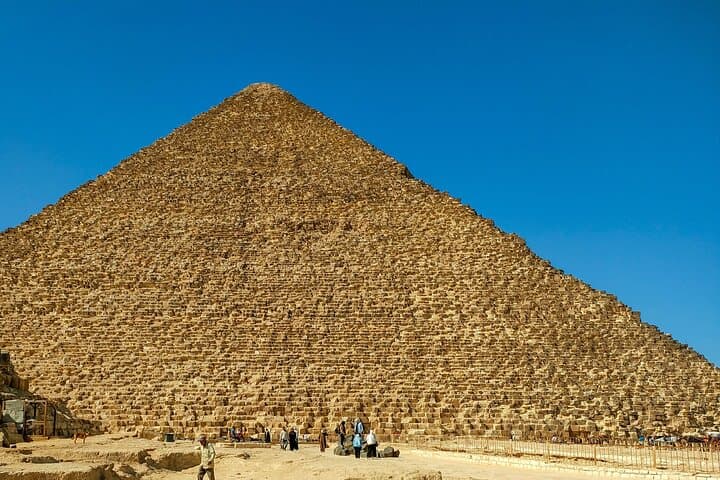

The morning air at Giza carries dust and sun; the pyramids cut silhouettes against a city that never really sleeps. On this three-day circuit, travelers move from the slow dignity of ancient stone to the brisk salt-scented corniche of Alexandria, switching tempos with private transfers and an English-speaking Egyptologist who threads context through each stop.
The morning air at Giza carries dust and sun; the pyramids cut silhouettes against a city that never really sleeps. On this three-day circuit, travelers move from the slow dignity of ancient stone to the brisk salt-scented corniche of Alexandria, switching tempos with private transfers and an English-speaking Egyptologist who threads context through each stop.
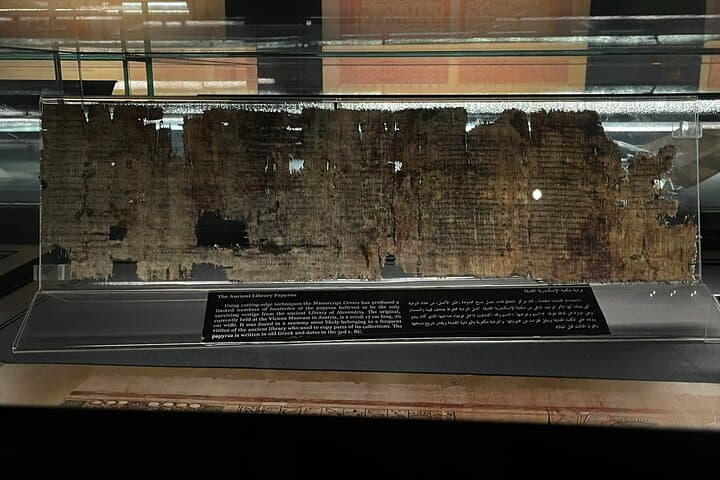
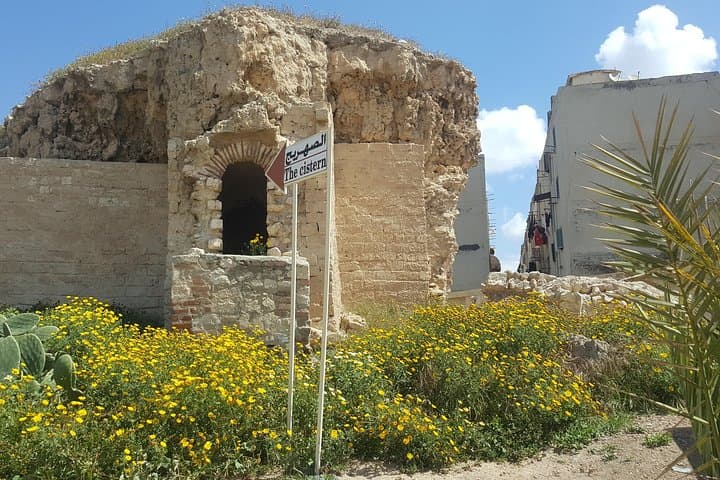
Cairo’s layers are visible in a single day: Pharaonic collections at the Egyptian Museum, medieval ramparts at the Citadel, and Coptic alleys in Old Cairo where churches and synagogues speak of late antique communities. Geologically, the limestone of Giza’s plateau contrasts with the Nile’s alluvial plain—two different processes that shaped where people settled and where monuments were raised. Alexandria’s seaside story is Hellenistic and Roman: Kom El Shoqafa catacombs and Pompey’s Pillar speak to a port-city built as much on trade as on conquest; the Mediterranean laps the harbor with a steady patience.
Practical guidance is straightforward. Expect city walking on uneven pavement, steps and museum floors; comfortable shoes and sun protection matter. Transfers run about 2.5–3 hours each way between Cairo and Alexandria—plan for an early start. Carry modest clothing for mosque visits, a photocopy of your passport for museum entry, and a small day pack for water and camera gear. If museums are a priority, schedule the Egyptian Museum early to avoid crowds and mid-afternoon heat.
This itinerary blends big-ticket archaeology with local rhythm—bazaars, street food, coastal light—giving a compact yet measured introduction to Egypt’s capital and its Mediterranean neighbor.