THE ADVENTURE COLLECTIVE® · Independent discovery and booking for outdoor travel

Three days of Turkey that compress a surprising range of landscapes—mineral terraces, Roman ruins and volcanic valleys—into a single, doable loop. Expect thermal pools, ancient stone streets, and a sunrise balloon over fairy chimneys; here’s what to know before you go.
Three days of Turkey that compress a surprising range of landscapes—mineral terraces, Roman ruins and volcanic valleys—into a single, doable loop. Expect thermal pools, ancient stone streets, and a sunrise balloon over fairy chimneys; here’s what to know before you go.
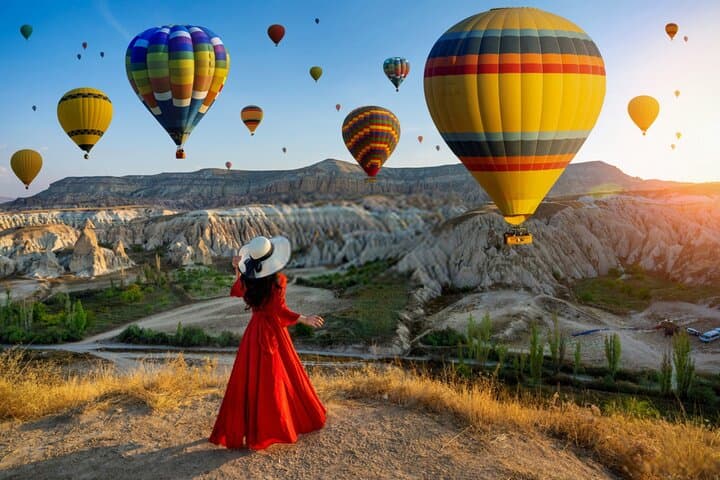
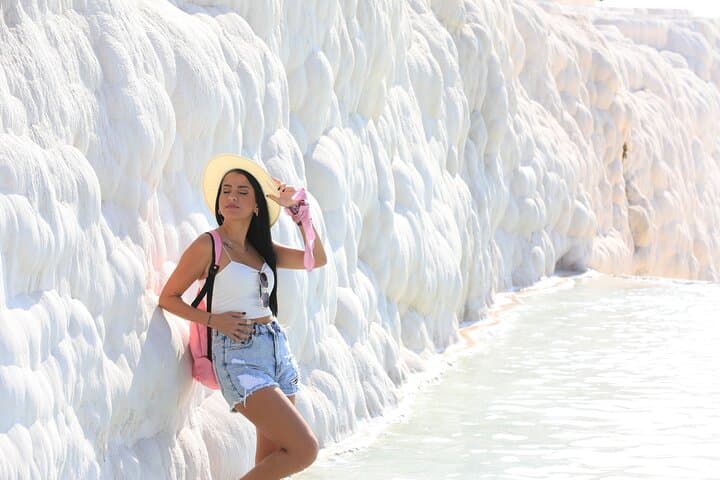
You step out before sunrise onto the white shelves of Pamukkale and the world seems to be thinking in slow, luminous breaths. The travertine pools hold a pale, warm light that pushes up against the blue of the sky; steam lifts off like a quiet invitation. Over the next three days you will chase that contrast across western Turkey—mineral-blue Salda Lake, marble-white Pamukkale, the marble ruins of Ephesus—and end with the ochre moonscape of Cappadocia where balloons punctuate the dawn.
Verified experiences and guided adventures in the surrounding area.
Operated by Turkey Experiences · Göreme, Nevşehir Province
You step out before sunrise onto the white shelves of Pamukkale and the world seems to be thinking in slow, luminous breaths. The travertine pools hold a pale, warm light that pushes up against the blue of the sky; steam lifts off like a quiet invitation. Over the next three days you will chase that contrast across western Turkey—mineral-blue Salda Lake, marble-white Pamukkale, the marble ruins of Ephesus—and end with the ochre moonscape of Cappadocia where balloons punctuate the dawn.
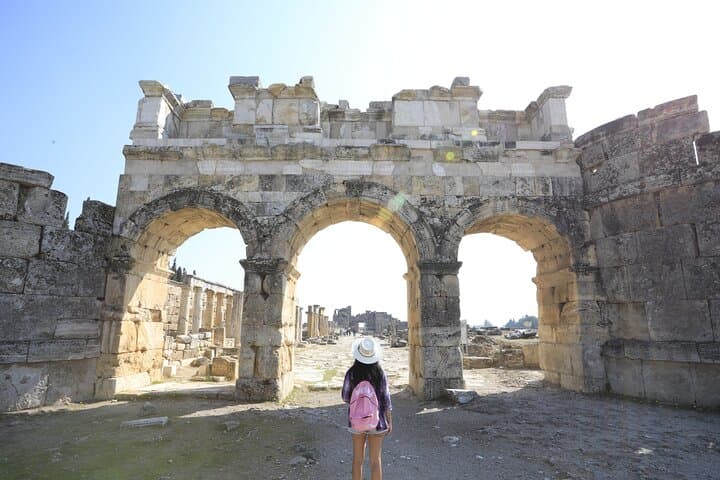
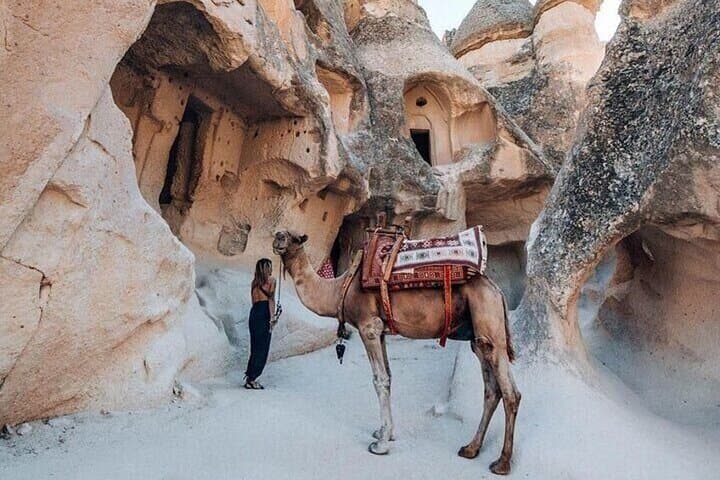
This package threads together landscapes born of different geologies and histories. Pamukkale’s terraces are living chemistry: hot, mineral-rich springs deposit calcium carbonate that hardens into the stepped travertines visitors tread barefoot. Ephesus sits near sea level, an ancient Roman port rebuilt and repaved by stone and empire; its marble library and theatre still frame human scale and drama. Cappadocia, by contrast, is carved from volcanic tuff—soft rock scoured by wind and water into chimneys and valleys, where early Christians hollowed churches and monasteries into cliffs. The region sits high—around 1,000 meters—so mornings bite cool and evenings mellow.
Culturally the trip moves from Aegean olive groves to Anatolian plateau towns. Local guides licensed by Turkey’s Ministry of Culture bridge archaeology and daily life: you’ll learn how Ottoman caravanserais supported trade, why pottery still matters in Avanos, and where thermal bathing became both remedy and ritual. Small cooperative visits and a workshop stop in Pamukkale are built into the days for hands-on context.
Practically: the itinerary uses short domestic flights (Istanbul–Denizli/Izmir–Cappadocia) and coach transfers between sites; plan for several 45–90 minute drives on touring days. Hot-air balloon flights launch at sunrise (about a 60-minute float) and require early wake-ups; book your seat in advance and pack a light jacket. In Pamukkale you’ll go shoeless on the travertine—bring a dry bag for shoes and a towel; swimming in the thermal pools is optional and often subject to conservation rules. Ephesus involves paved ancient streets and steps; expect uneven surfaces and light scrambling in caves and rock-cut sites in Cappadocia.
Tips for timing: aim to visit Pamukkale and Ephesus in spring or fall for fewer crowds and milder temperatures; summers are hot and winter mornings can be icy. Respect protected areas—many terraces and mosaics are fragile—so follow guide instructions. For photographers: sunrise balloon launches and late-afternoon terraces give the best light. With a little planning—comfortable footwear, layered clothing, and a charged camera—you move cleanly from warm springs to marble ruins to balloon-lit skies and return with a compact, complete portrait of Turkey’s wild and built landscapes.
moderate.
3–5 days (itinerary spread).
Moderate fitness for multiple days of walking on uneven terrain and short hikes; able to manage stairs and cobbled streets.
No special fitness is required, but you should be able to stand for the 60-minute flight and get in and out of the basket with brief assistance.
Flights depend on weather and pilot discretion; if canceled you should be offered an alternative date or refund for that segment.
Swimming options vary; walking barefoot on the terraces is allowed but designated thermal pools and the Antique (Cleopatra) pool may require an extra fee and follow conservation rules.
Expect 2–4 miles of walking across uneven stone and steps during full-day visits; comfortable shoes are essential.
Yes — domestic flights listed in the itinerary (Istanbul to Denizli/Izmir; Izmir to Cappadocia) are included as per the package details.
Infants must sit on an adult’s lap; some sites and balloon operators have age or weight restrictions—check when booking.
Ephesus rose as a major Roman port and cultural center; Hierapolis grew around mineral springs and was an important healing and religious center in antiquity.
Pamukkale’s travertines are protected—visitors must walk only on designated routes and remove footwear to reduce erosion; balloon operators and guides follow quota and safety rules to limit environmental impact.
Turkey Experiences operates guided outdoor trips and adventures with an emphasis on safety, stewardship, and memorable experiences.
You step out before sunrise onto the white shelves of Pamukkale and the world seems to be thinking in slow, luminous breaths. The travertine pools hold a pale, warm light that pushes up against the blue of the sky; steam lifts off like a quiet invitation. Over the next three days you will chase that contrast across western Turkey—mineral-blue Salda Lake, marble-white Pamukkale, the marble ruins of Ephesus—and end with the ochre moonscape of Cappadocia where balloons punctuate the dawn.
You step out before sunrise onto the white shelves of Pamukkale and the world seems to be thinking in slow, luminous breaths. The travertine pools hold a pale, warm light that pushes up against the blue of the sky; steam lifts off like a quiet invitation. Over the next three days you will chase that contrast across western Turkey—mineral-blue Salda Lake, marble-white Pamukkale, the marble ruins of Ephesus—and end with the ochre moonscape of Cappadocia where balloons punctuate the dawn.
This package threads together landscapes born of different geologies and histories. Pamukkale’s terraces are living chemistry: hot, mineral-rich springs deposit calcium carbonate that hardens into the stepped travertines visitors tread barefoot. Ephesus sits near sea level, an ancient Roman port rebuilt and repaved by stone and empire; its marble library and theatre still frame human scale and drama. Cappadocia, by contrast, is carved from volcanic tuff—soft rock scoured by wind and water into chimneys and valleys, where early Christians hollowed churches and monasteries into cliffs. The region sits high—around 1,000 meters—so mornings bite cool and evenings mellow.
Culturally the trip moves from Aegean olive groves to Anatolian plateau towns. Local guides licensed by Turkey’s Ministry of Culture bridge archaeology and daily life: you’ll learn how Ottoman caravanserais supported trade, why pottery still matters in Avanos, and where thermal bathing became both remedy and ritual. Small cooperative visits and a workshop stop in Pamukkale are built into the days for hands-on context.
Practically: the itinerary uses short domestic flights (Istanbul–Denizli/Izmir–Cappadocia) and coach transfers between sites; plan for several 45–90 minute drives on touring days. Hot-air balloon flights launch at sunrise (about a 60-minute float) and require early wake-ups; book your seat in advance and pack a light jacket. In Pamukkale you’ll go shoeless on the travertine—bring a dry bag for shoes and a towel; swimming in the thermal pools is optional and often subject to conservation rules. Ephesus involves paved ancient streets and steps; expect uneven surfaces and light scrambling in caves and rock-cut sites in Cappadocia.
Tips for timing: aim to visit Pamukkale and Ephesus in spring or fall for fewer crowds and milder temperatures; summers are hot and winter mornings can be icy. Respect protected areas—many terraces and mosaics are fragile—so follow guide instructions. For photographers: sunrise balloon launches and late-afternoon terraces give the best light. With a little planning—comfortable footwear, layered clothing, and a charged camera—you move cleanly from warm springs to marble ruins to balloon-lit skies and return with a compact, complete portrait of Turkey’s wild and built landscapes.