THE ADVENTURE COLLECTIVE® · Independent discovery and booking for outdoor travel

Three days of defined trails, stone bridges and the clear void of Voidomatis river—Vikos Gorge rewards steady hikers with dramatic cliffs, karst pools and old Zagori villages. Read on for what to expect and how to prepare.
Three days of defined trails, stone bridges and the clear void of Voidomatis river—Vikos Gorge rewards steady hikers with dramatic cliffs, karst pools and old Zagori villages. Read on for what to expect and how to prepare.
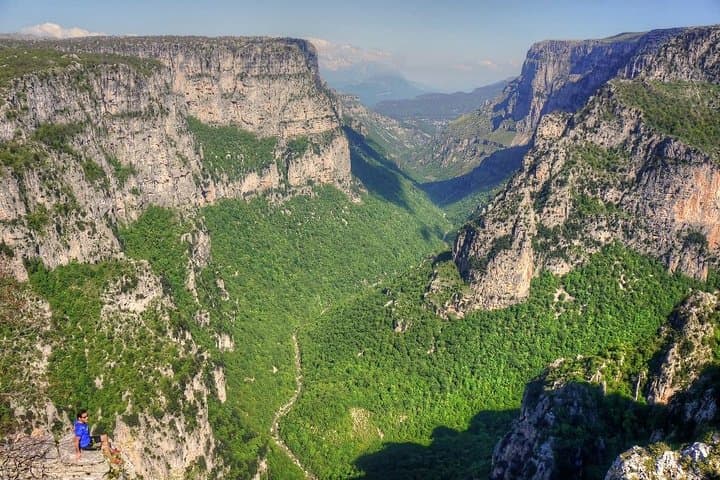
You step off the village lane and the world narrows: a ribbon of river far below, limestone walls folding into shadow. Air in Vikos Gorge smells of damp rock and pine; every footfall answers with the clack of stone. Over three days you move from high beech and sycamore forests down into the gorge’s 24 km cleavage — a raw cut through Epirus where cliffs drop as much as a thousand metres in places and rivers dare you to follow.
Verified experiences and guided adventures in the surrounding area.
Operated by Epirus Traveller · Monodendri, Ioannina
You step off the village lane and the world narrows: a ribbon of river far below, limestone walls folding into shadow. Air in Vikos Gorge smells of damp rock and pine; every footfall answers with the clack of stone. Over three days you move from high beech and sycamore forests down into the gorge’s 24 km cleavage — a raw cut through Epirus where cliffs drop as much as a thousand metres in places and rivers dare you to follow.
The gorge sits inside the Vikos–Aoos UNESCO Global Geopark (designated 2010). The limestone was carved by water over millions of years, exposing karst cavities and natural pools. Human traces here stretch from Paleolithic finds to Ottoman-era stone bridges and the 19th-century arch south of Kleidonia. Local Zagori villages—Papigo, Vradeto, Kipoi—preserve stone houses, tower ruins and shepherding traditions; tavernas serve robust pies and river trout.
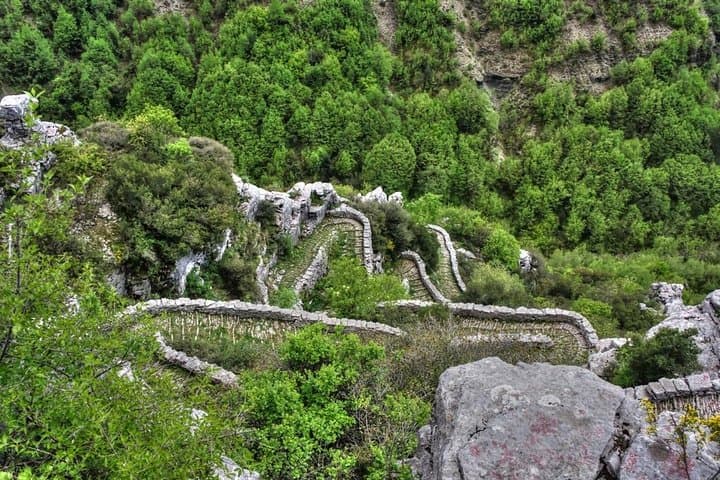
Practically: expect well-defined trails but frequent stone steps and short steep pitches — Vradeto’s 1,500 steps are the highlight and a calf-burner. Typical daily walking ranges 4–8 hours on mixed terrain with occasional river crossings and scrambling over boulder fields. Bring grippy boots, layered clothing, and at least 2–3 litres of water per day; refill at village springs when available. Spring and autumn offer the best temperatures; summer sun can be intense in exposed sections. A guided itinerary usually includes lunches and village transfers, but carry cash for small mountain tavernas.
Respect fragile karst springs, stick to paths, and give wildlife room—this is one of Europe’s quieter refuges for birds and mammals. With planning, the gorge delivers hard-won views and quiet river swims that linger long after the trail ends.
moderate.
3 days.
Suitable for hikers in good everyday fitness able to manage sustained walking, stairs and short scrambles.
Daily sections are generally moderate (4–8 hours) on marked trails; expect stairs, uneven stone and occasional short scrambles — not technical climbing.
Yes — there are natural pools and calm sections suitable for swimming, but water is cold year-round and currents can be strong after rain.
This is organized as a guided private multi-day trekking tour, with routes, transfers and lunches arranged; check pickup details when booking.
Meals are typically local tavernas or packed lunches; accommodation is usually village guesthouses or small hotels in Zagori settlements (confirm with operator).
The Vikos Gorge area is part of the Vikos–Aoos Geopark and contains Paleolithic archaeological traces; many villages preserve 17th–19th century stone architecture and arched bridges.
The karst springs and riparian habitat are sensitive—stick to trails, avoid washing in springs and support local businesses that follow low-impact practices.
Epirus Traveller operates guided outdoor trips and adventures with an emphasis on safety, stewardship, and memorable experiences.
You step off the village lane and the world narrows: a ribbon of river far below, limestone walls folding into shadow. Air in Vikos Gorge smells of damp rock and pine; every footfall answers with the clack of stone. Over three days you move from high beech and sycamore forests down into the gorge’s 24 km cleavage — a raw cut through Epirus where cliffs drop as much as a thousand metres in places and rivers dare you to follow.
You step off the village lane and the world narrows: a ribbon of river far below, limestone walls folding into shadow. Air in Vikos Gorge smells of damp rock and pine; every footfall answers with the clack of stone. Over three days you move from high beech and sycamore forests down into the gorge’s 24 km cleavage — a raw cut through Epirus where cliffs drop as much as a thousand metres in places and rivers dare you to follow.
The gorge sits inside the Vikos–Aoos UNESCO Global Geopark (designated 2010). The limestone was carved by water over millions of years, exposing karst cavities and natural pools. Human traces here stretch from Paleolithic finds to Ottoman-era stone bridges and the 19th-century arch south of Kleidonia. Local Zagori villages—Papigo, Vradeto, Kipoi—preserve stone houses, tower ruins and shepherding traditions; tavernas serve robust pies and river trout.
Practically: expect well-defined trails but frequent stone steps and short steep pitches — Vradeto’s 1,500 steps are the highlight and a calf-burner. Typical daily walking ranges 4–8 hours on mixed terrain with occasional river crossings and scrambling over boulder fields. Bring grippy boots, layered clothing, and at least 2–3 litres of water per day; refill at village springs when available. Spring and autumn offer the best temperatures; summer sun can be intense in exposed sections. A guided itinerary usually includes lunches and village transfers, but carry cash for small mountain tavernas.
Respect fragile karst springs, stick to paths, and give wildlife room—this is one of Europe’s quieter refuges for birds and mammals. With planning, the gorge delivers hard-won views and quiet river swims that linger long after the trail ends.