THE ADVENTURE COLLECTIVE® · Independent discovery and booking for outdoor travel

Three days, three iconic Tasmanian landscapes: dramatic sea cliffs and convict ruins on the Tasman Peninsula, the sweeping curve of Wineglass Bay, and the alpine majesty of Cradle Mountain. This compact itinerary delivers the island’s best with interpretive guides and manageable walking.
Three days, three iconic Tasmanian landscapes: dramatic sea cliffs and convict ruins on the Tasman Peninsula, the sweeping curve of Wineglass Bay, and the alpine majesty of Cradle Mountain. This compact itinerary delivers the island’s best with interpretive guides and manageable walking.
The first morning light in Hobart feels like a promise: cold sea air pushing into the city, gulls arguing over a breakfast catch, and a small coach idling at the Tasmanian Travel & Information Centre ready to take you into the island’s wild heart.
Verified experiences and guided adventures in the surrounding area.
Operated by Tours Tasmania · Hobart, Tasmania
The first morning light in Hobart feels like a promise: cold sea air pushing into the city, gulls arguing over a breakfast catch, and a small coach idling at the Tasmanian Travel & Information Centre ready to take you into the island’s wild heart.
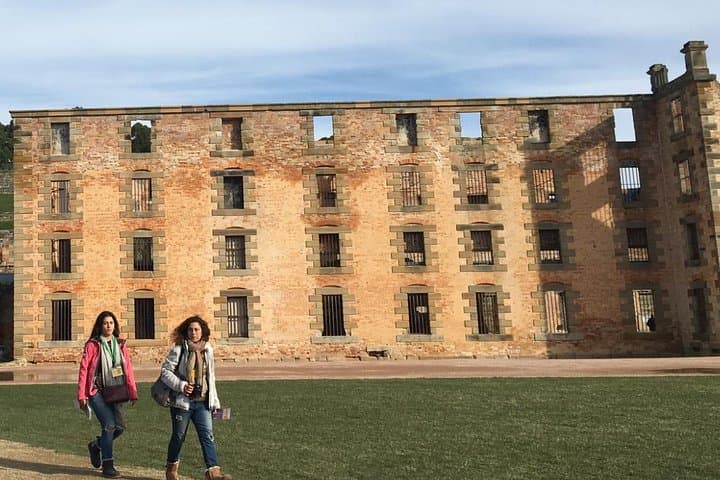
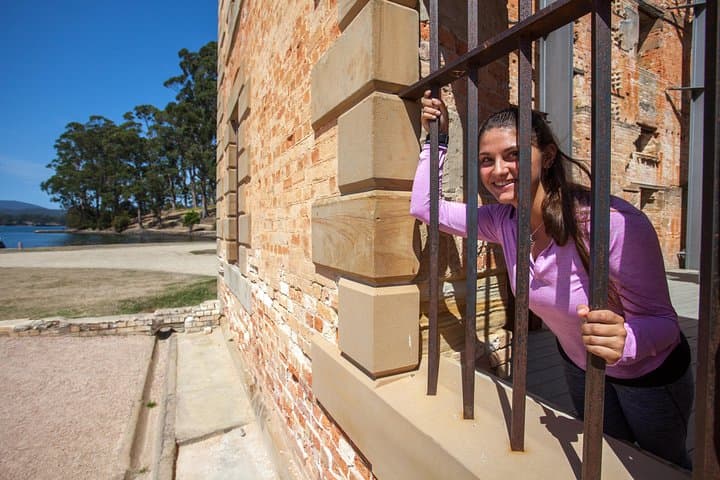
By noon you’re walking a ragged edge of dolerite cliffs on the Tasman Peninsula, wind smarting your face while Southern Ocean swells punish the base of rock spires. The cliffs don’t wait for you — they test your attention, coaxing you toward lookouts where spray tastes of salt and geology. Later, the ruined precincts of Port Arthur fold history into the landscape: convict-built sandstone, solitary cells, and the harbour that carried people away. Guides unfold the site’s human story with measured detail; the harbour cruise around the Isle of the Dead adds a quiet, salt-scented punctuation to a heavy past.
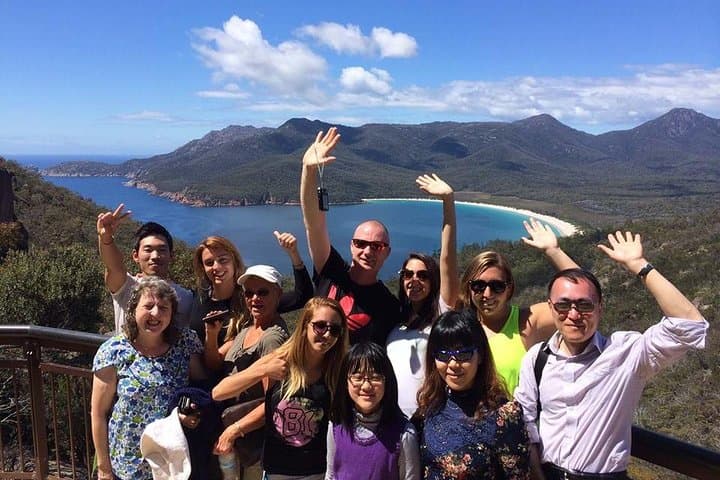
Day two trades basalt cliffs for the soft arc of Wineglass Bay: white sand lobbed against turquoise water framed by sculpted bushland. The 45-minute walk up to the lookout is a muscular reward — eucalyptus-scented lunges, a sudden panorama, and often, the slow drift of dolphins offshore. On calmer days, you can descend to the beach for a swim that feels more like ceremony than recreation.
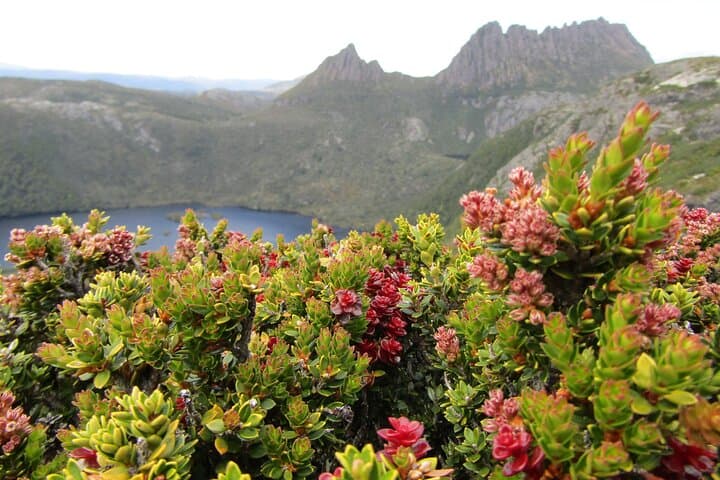
On day three the high country arrives: Cradle Mountain’s jagged profile, kettle lakes mirror-slick in the morning, and alpine moorland that changes mood with the weather. The Dove Lake Circuit is accessible and deliberate — 6 km of boardwalks, boulder shelves, and reflective water that doubles the mountain in perfect symmetry. Marion’s Lookout demands more breath and sweats out panoramic payoff.
Geology here is blunt and old: dolerite columns, glacial-carved cirques, and weather that shapes trails as much as hikers do. Culture is equally layered — from Aboriginal history across these lands to stories of colonial settlement and convict labor. Guides balance interpretation with quiet respect for both natural and human narratives.
Practical guidance: travel light — this tour asks for daypacks and small luggage on inter-city legs. Expect variable weather; pack a waterproof shell and sturdy footwear for uneven boardwalks and rocky ascents. Bookings include national park fees and Port Arthur entry, but bring small cash for cellar doors and gelato stops.
This itinerary suits travelers who want concentrated access to Tasmania’s signature landscapes in three efficient days — not a sprint, but an earned sequence of coastal drama, beach clarity, and alpine calm. Time your camera for sunrise at Dove Lake and late afternoon light along the Tasman cliffs, and leave room in your schedule for a quiet moment with a locally poured pinot and the island’s wind for company.
moderate.
3 days (approx.).
Moderate fitness required: comfortable with multiple 45–120 minute walks and uneven terrain.
Pickup is from Hobart (Tasmanian Travel & Information Centre) and the tour ends with drop-offs around Launceston and Hobart depending on the day — check confirmation for exact times.
A moderate level of fitness is required: expect several walks of up to 2 hours and occasional steep sections; full mobility is necessary.
Yes — Port Arthur Historic Site entrance and the Isle of the Dead harbour cruise are included in the tour price.
You may bring one small suitcase plus a daypack for inter-city transfers; excess luggage may not be accommodated.
The Unzoo visit includes close-up viewing and feeding sessions, but wild sightings in national parks are rare and never guaranteed.
All sales are final and non-refundable; the operator may cancel if minimum numbers are not met — check booking terms before purchase.
Port Arthur was a major convict site in colonial Australia; the ruins and cemetery reflect decades of penal settlement and maritime transport.
Cradle Mountain and parts of the east coast are World Heritage protected; tours stick to boardwalks and regulated viewing areas to reduce trampling and wildlife disturbance.
Tours Tasmania operates guided outdoor trips and adventures with an emphasis on safety, stewardship, and memorable experiences.
The first morning light in Hobart feels like a promise: cold sea air pushing into the city, gulls arguing over a breakfast catch, and a small coach idling at the Tasmanian Travel & Information Centre ready to take you into the island’s wild heart.
The first morning light in Hobart feels like a promise: cold sea air pushing into the city, gulls arguing over a breakfast catch, and a small coach idling at the Tasmanian Travel & Information Centre ready to take you into the island’s wild heart.
By noon you’re walking a ragged edge of dolerite cliffs on the Tasman Peninsula, wind smarting your face while Southern Ocean swells punish the base of rock spires. The cliffs don’t wait for you — they test your attention, coaxing you toward lookouts where spray tastes of salt and geology. Later, the ruined precincts of Port Arthur fold history into the landscape: convict-built sandstone, solitary cells, and the harbour that carried people away. Guides unfold the site’s human story with measured detail; the harbour cruise around the Isle of the Dead adds a quiet, salt-scented punctuation to a heavy past.
Day two trades basalt cliffs for the soft arc of Wineglass Bay: white sand lobbed against turquoise water framed by sculpted bushland. The 45-minute walk up to the lookout is a muscular reward — eucalyptus-scented lunges, a sudden panorama, and often, the slow drift of dolphins offshore. On calmer days, you can descend to the beach for a swim that feels more like ceremony than recreation.
On day three the high country arrives: Cradle Mountain’s jagged profile, kettle lakes mirror-slick in the morning, and alpine moorland that changes mood with the weather. The Dove Lake Circuit is accessible and deliberate — 6 km of boardwalks, boulder shelves, and reflective water that doubles the mountain in perfect symmetry. Marion’s Lookout demands more breath and sweats out panoramic payoff.
Geology here is blunt and old: dolerite columns, glacial-carved cirques, and weather that shapes trails as much as hikers do. Culture is equally layered — from Aboriginal history across these lands to stories of colonial settlement and convict labor. Guides balance interpretation with quiet respect for both natural and human narratives.
Practical guidance: travel light — this tour asks for daypacks and small luggage on inter-city legs. Expect variable weather; pack a waterproof shell and sturdy footwear for uneven boardwalks and rocky ascents. Bookings include national park fees and Port Arthur entry, but bring small cash for cellar doors and gelato stops.
This itinerary suits travelers who want concentrated access to Tasmania’s signature landscapes in three efficient days — not a sprint, but an earned sequence of coastal drama, beach clarity, and alpine calm. Time your camera for sunrise at Dove Lake and late afternoon light along the Tasman cliffs, and leave room in your schedule for a quiet moment with a locally poured pinot and the island’s wind for company.