THE ADVENTURE COLLECTIVE® · Independent discovery and booking for outdoor travel

Three days in Selous (Nyerere) combine Rufiji boat cruises, full-day game drives and a guided walking safari. This short circuit delivers close river encounters, big-game sightings and camp nights under open skies.
Three days in Selous (Nyerere) combine Rufiji boat cruises, full-day game drives and a guided walking safari. This short circuit delivers close river encounters, big-game sightings and camp nights under open skies.
You step off the vehicle and the river takes over: the Rufiji pushes warm air and the smell of wet grass toward you as hippo grunts ripple across the surface. On this three-day circuit from Dar es Salaam you move between shaded riverbanks, open savanna and quiet camps where the night answers daytime sightings.
Verified experiences and guided adventures in the surrounding area.
Operated by Wildtrip Safaris Tanzania · Dar es Salaam, Lindi Region
You step off the vehicle and the river takes over: the Rufiji pushes warm air and the smell of wet grass toward you as hippo grunts ripple across the surface. On this three-day circuit from Dar es Salaam you move between shaded riverbanks, open savanna and quiet camps where the night answers daytime sightings.
Selous (now Nyerere National Park) is one of East Africa’s largest protected areas, carved from Miombo woodland and floodplain fed by the Rufiji. Its geology is low-lying—river channels, seasonal pans and sandy ridges—so drives are about reading tracks and waterlines rather than climbing peaks. The region’s human history mixes Swahili trade routes and local fishing communities who still rely on the river’s pulse.
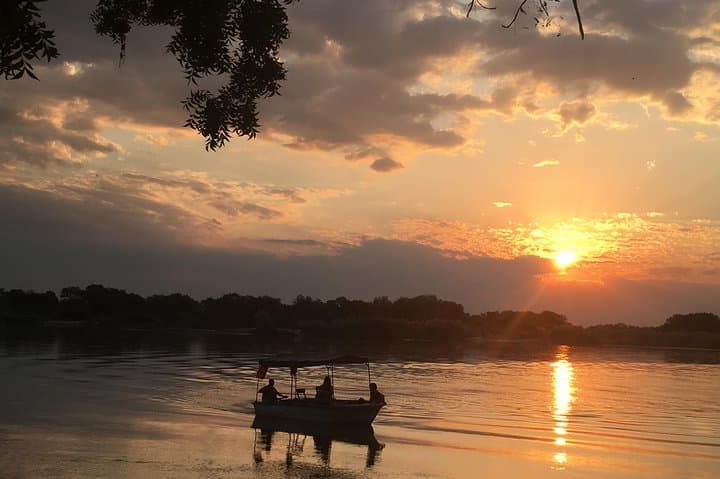
Expect the core program: an afternoon boat cruise that brings you close to hippo pods and riverine birds, a full-day game drive for elephants, buffalo and rarer sightings like African wild dog, and an early morning guided walking safari led by an armed ranger.
Practicalities: travel time from Dar es Salaam is 4–6 hours by road depending on route; terrain within the reserve is mostly flat with short walks on sandy or grassy surfaces. Malaria is present—bring prophylaxis, insect repellent and a long-sleeve layer for dusk. Opt for neutral colors, close-toed footwear and binoculars for distance ID. Camps often provide water and meals; communications can be limited, so charge devices before leaving Dar.
Timing your visit for the dry season (June–October) increases road access and wildlife concentration around permanent water, while green-season visits are quieter and bird-rich. Stay alert, travel with experienced guides, and let the river set the pace.
moderate.
3 days.
Suitable for travelers in average fitness—short walks and long vehicle-based game drives; be prepared for early starts.
Road transfers typically take 4–6 hours depending on road conditions and the chosen entry point to the reserve.
You can expect elephants and buffalo commonly; lions and rhino are less predictable—black rhino are extremely rare due to historical poaching, while lions occur but sightings aren’t guaranteed.
Walking safaris are led by trained, armed rangers and follow strict safety protocols; participants should follow the guide’s instructions and keep group spacing minimal.
Riverine habitats concentrate hippos, Nile crocodiles and a dense array of waterbirds; wild dog sightings are notable in Selous compared with other Tanzanian parks.
Selous was named after English conservationist Frederick Selous and historically served as a hunting reserve before becoming protected; it’s now largely managed for wildlife and community use.
Poaching has historically impacted big mammals here; current conservation emphasizes ranger patrols, community engagement and anti-poaching partnerships to protect remaining populations.
Wildtrip Safaris Tanzania operates guided outdoor trips and adventures with an emphasis on safety, stewardship, and memorable experiences.
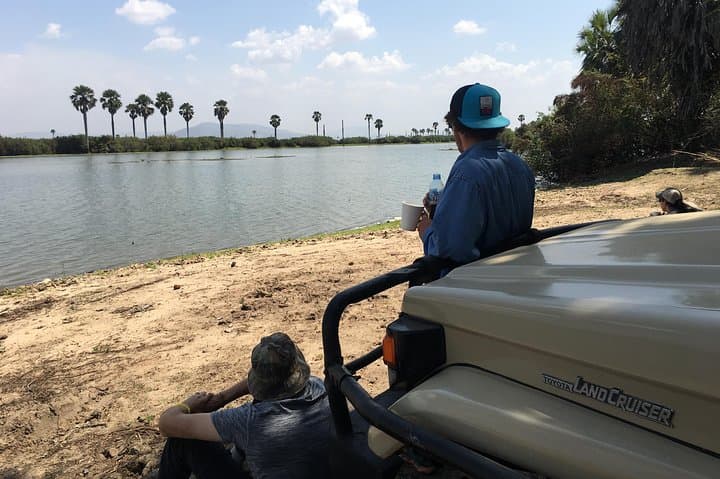
You step off the vehicle and the river takes over: the Rufiji pushes warm air and the smell of wet grass toward you as hippo grunts ripple across the surface. On this three-day circuit from Dar es Salaam you move between shaded riverbanks, open savanna and quiet camps where the night answers daytime sightings.
You step off the vehicle and the river takes over: the Rufiji pushes warm air and the smell of wet grass toward you as hippo grunts ripple across the surface. On this three-day circuit from Dar es Salaam you move between shaded riverbanks, open savanna and quiet camps where the night answers daytime sightings.
Selous (now Nyerere National Park) is one of East Africa’s largest protected areas, carved from Miombo woodland and floodplain fed by the Rufiji. Its geology is low-lying—river channels, seasonal pans and sandy ridges—so drives are about reading tracks and waterlines rather than climbing peaks. The region’s human history mixes Swahili trade routes and local fishing communities who still rely on the river’s pulse.
Expect the core program: an afternoon boat cruise that brings you close to hippo pods and riverine birds, a full-day game drive for elephants, buffalo and rarer sightings like African wild dog, and an early morning guided walking safari led by an armed ranger.
Practicalities: travel time from Dar es Salaam is 4–6 hours by road depending on route; terrain within the reserve is mostly flat with short walks on sandy or grassy surfaces. Malaria is present—bring prophylaxis, insect repellent and a long-sleeve layer for dusk. Opt for neutral colors, close-toed footwear and binoculars for distance ID. Camps often provide water and meals; communications can be limited, so charge devices before leaving Dar.
Timing your visit for the dry season (June–October) increases road access and wildlife concentration around permanent water, while green-season visits are quieter and bird-rich. Stay alert, travel with experienced guides, and let the river set the pace.