THE ADVENTURE COLLECTIVE® · Independent discovery and booking for outdoor travel

Spend three days moving through Sapa’s rice terraces and hill-tribe villages with two nights in family-run homestays. Expect 4–6 hours of walking each day on mixed terrain, simple shared accommodation, and authentic local meals.
Spend three days moving through Sapa’s rice terraces and hill-tribe villages with two nights in family-run homestays. Expect 4–6 hours of walking each day on mixed terrain, simple shared accommodation, and authentic local meals.
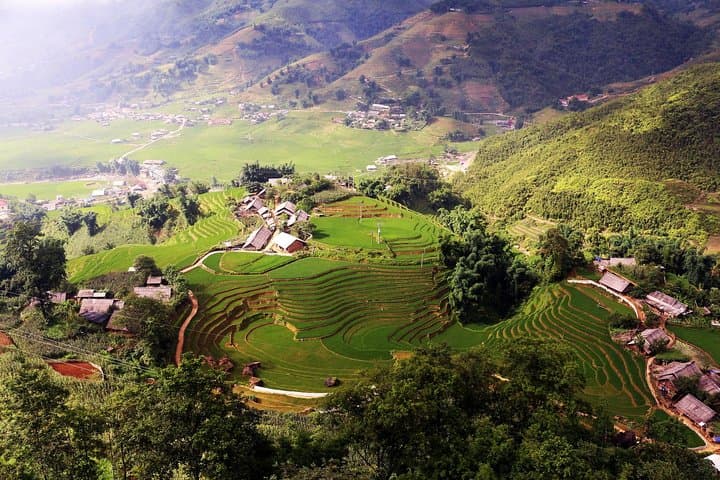
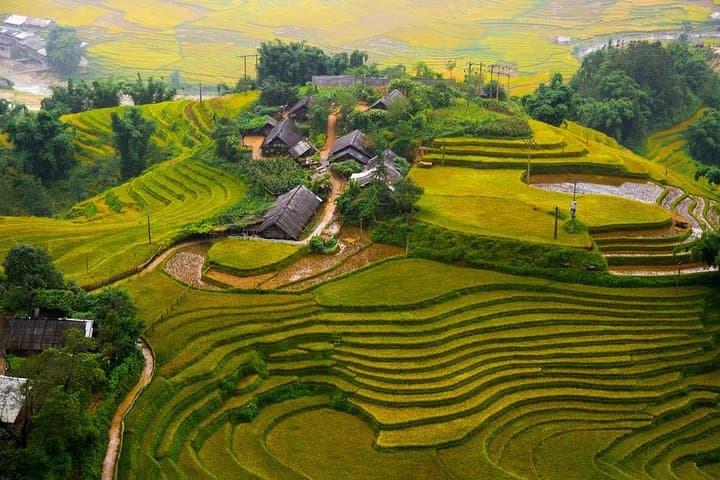
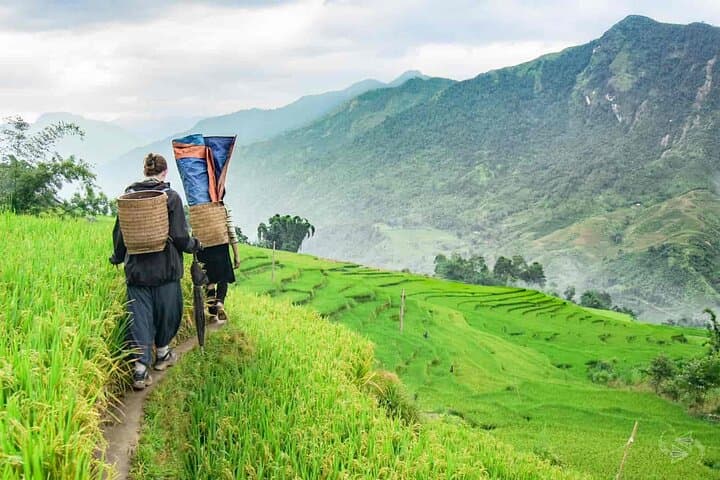
Morning mist lifts off the rice terraces like a slow-breathing land; your guide checks the route while villagers tend water channels that have shaped hillsides for centuries.
Verified experiences and guided adventures in the surrounding area.
Operated by Asia Travel Legend · Sapa, Lao Cai
Morning mist lifts off the rice terraces like a slow-breathing land; your guide checks the route while villagers tend water channels that have shaped hillsides for centuries.
Over three days you move from Sapa Town (approx. 1,500 m elevation) into mosaic valleys of carved paddies, bamboo groves and narrow mud tracks that link Tay and Hmong villages. This region sits on the Hoang Lien Range—young, steep mountains of metamorphic rock whose slopes were terraced generations ago to hold water and soil. Cultural traces are immediate: indigo textiles drying on roofs, lacquered houseframes, and voices calling across terraces.
Typical days follow a 9:00–15:00 schedule with 4–6 hours of walking per day, covering roughly 8–12 km daily and shifting 200–600 m in elevation depending on route choices. Trails vary from compacted village paths to rocky switchbacks and wet rice-field crossings; rainy-season streams can surge and push you into boots higher than usual.
Homestays are simple: shared lofts with mosquito nets, hot water available at many family homes, and communal meals of sticky rice, local vegetables and broths—excellent for refueling. Guides can tailor difficulty on meeting, so you can opt for gentler valley routes or longer ridge links.
Practical guidance: bring grippy footwear, a breathable rain shell, and a small daypack for water and layers. Start days early to catch soft light across terraces and allow flexibility for weather. Respect household rhythms—ask before photographing family spaces—and carry cash for small purchases or tips.
moderate.
3 days.
Suitable for travelers who can handle multiple consecutive days of hiking with moderate climbs; basic cardiovascular fitness and balance on uneven ground recommended.
Most homestays offer shared lofts or dorm-style rooms with mosquito nets; private rooms are rare but can sometimes be requested.
Sapa sits around 1,500 m—most travelers don’t experience altitude sickness, but take it easy the first day and stay hydrated if you feel unwell.
Local hosts can often accommodate common dietary needs if advised beforehand—note restrictions when booking so guides can inform families.
Late September to November typically has the clearest skies and post-harvest terrace colors, while spring offers cooler temperatures and fresh growth.
Sapa developed as a hill station in the early 20th century under French colonial rule; indigenous Tay, Hmong and Dao communities have farmed the terraces for generations.
Increased trekking has pressured water systems and trail erosion; stick to existing paths, avoid single-use plastics, and support homestays that practice waste reduction.
Asia Travel Legend operates guided outdoor trips and adventures with an emphasis on safety, stewardship, and memorable experiences.

Morning mist lifts off the rice terraces like a slow-breathing land; your guide checks the route while villagers tend water channels that have shaped hillsides for centuries.
Morning mist lifts off the rice terraces like a slow-breathing land; your guide checks the route while villagers tend water channels that have shaped hillsides for centuries.
Over three days you move from Sapa Town (approx. 1,500 m elevation) into mosaic valleys of carved paddies, bamboo groves and narrow mud tracks that link Tay and Hmong villages. This region sits on the Hoang Lien Range—young, steep mountains of metamorphic rock whose slopes were terraced generations ago to hold water and soil. Cultural traces are immediate: indigo textiles drying on roofs, lacquered houseframes, and voices calling across terraces.
Typical days follow a 9:00–15:00 schedule with 4–6 hours of walking per day, covering roughly 8–12 km daily and shifting 200–600 m in elevation depending on route choices. Trails vary from compacted village paths to rocky switchbacks and wet rice-field crossings; rainy-season streams can surge and push you into boots higher than usual.
Homestays are simple: shared lofts with mosquito nets, hot water available at many family homes, and communal meals of sticky rice, local vegetables and broths—excellent for refueling. Guides can tailor difficulty on meeting, so you can opt for gentler valley routes or longer ridge links.
Practical guidance: bring grippy footwear, a breathable rain shell, and a small daypack for water and layers. Start days early to catch soft light across terraces and allow flexibility for weather. Respect household rhythms—ask before photographing family spaces—and carry cash for small purchases or tips.