THE ADVENTURE COLLECTIVE® · Independent discovery and booking for outdoor travel

Cross the High Atlas, visit Aït Benhaddou and Todra Gorge, then ride camels into Erg Chebbi for an overnight desert camp. This three-day loop from Marrakech mixes geology, Berber culture, and starlit dunes.
Cross the High Atlas, visit Aït Benhaddou and Todra Gorge, then ride camels into Erg Chebbi for an overnight desert camp. This three-day loop from Marrakech mixes geology, Berber culture, and starlit dunes.
A low-slung minivan uncoils from Marrakech and begins to climb, the High Atlas folding skyward around the road. Wind scours the pass at Tizi-n-Tichka, and villages of sun-bleached mud-brick houses cling to terraces like human weather. By late morning the ochre walls of Aït Benhaddou rise from the valley—an ancient ksar where caravan routes met and earthen towers still watch the highway.
Verified experiences and guided adventures in the surrounding area.
Operated by Morocco AdvenTours · Merzouga, Drâa-Tafilalet
A low-slung minivan uncoils from Marrakech and begins to climb, the High Atlas folding skyward around the road. Wind scours the pass at Tizi-n-Tichka, and villages of sun-bleached mud-brick houses cling to terraces like human weather. By late morning the ochre walls of Aït Benhaddou rise from the valley—an ancient ksar where caravan routes met and earthen towers still watch the highway.
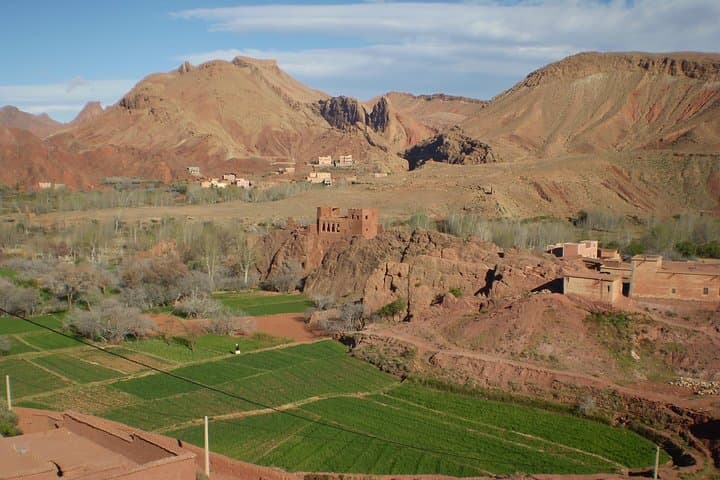
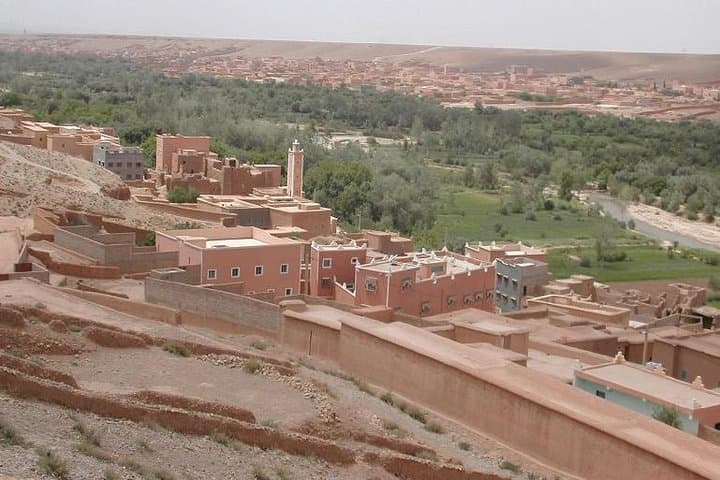
Geology here is blatant: the Atlas is young uplifted rock, cut by rivers into red cliffs and tight gorges; Erg Chebbi is the opposite—mobile sand shaped by wind into wave after perfect wave of dunes. Culture threads the route—Berber settlements, kasbahs of defensive mud, market towns such as Rissani that still trade in dates and spices. Todra Gorge puts vertical limestone walls in stark contrast to the open desert that follows.
Practical guidance is straightforward. Expect long, scenic driving days with short hikes and photo stops; bring sun protection, layered clothing for 40°C days and near-freezing nights, and sturdy shoes for rocky gorges and dune climbs. The camel trek is gentle but uneven—pack light, secure valuables, and carry water and snacks for flexibility. Camps are traditional and basic; ask about toilet facilities and bedding if you need facilities beyond what’s typical. Cash (dirham) is useful in smaller towns and for tipping. Timing your dune walk for sunrise or sunset rewards you with the best light and cooler temperatures.
This itinerary balances cultural stops and desert immersion: a compact, accessible way to move from Atlas passes to a night under the Sahara sky.
moderate.
3 days (approx. 72 hours).
Suitable for travelers in average fitness: able to manage short hikes, climb dunes, and sit through long transfers.
The camel trek is gentle and short—designed for all fitness levels—but it involves uneven sand and mounting/dismounting camels; basic mobility is required.
Desert camps are traditionally styled and vary in comfort; most provide a mattress and blankets with shared or basic private washrooms—check with the operator for specifics.
Large luggage stays in the vehicle and is transferred to the camp by staff; bring only a small overnight bag on the camel leg for valuables and essentials.
Spring and fall offer the most comfortable temperatures; summers are very hot while winters bring cold nights—sunrise and sunset are spectacular year-round.
The route follows ancient caravan corridors; Aït Benhaddou is a fortified ksar that grew wealthy from trans-Saharan trade and is a UNESCO World Heritage site.
Erg Chebbi’s dunes are ecologically sensitive—avoid driving on dunefields, pack out waste, and support camps that use renewable energy and water-saving practices.
Morocco AdvenTours operates guided outdoor trips and adventures with an emphasis on safety, stewardship, and memorable experiences.
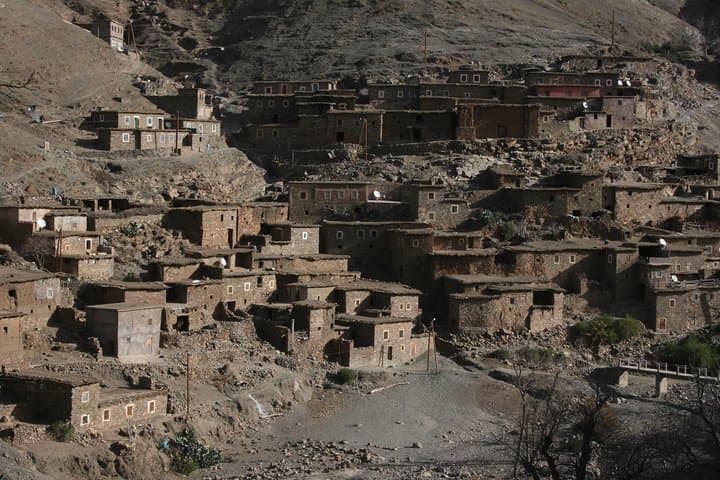
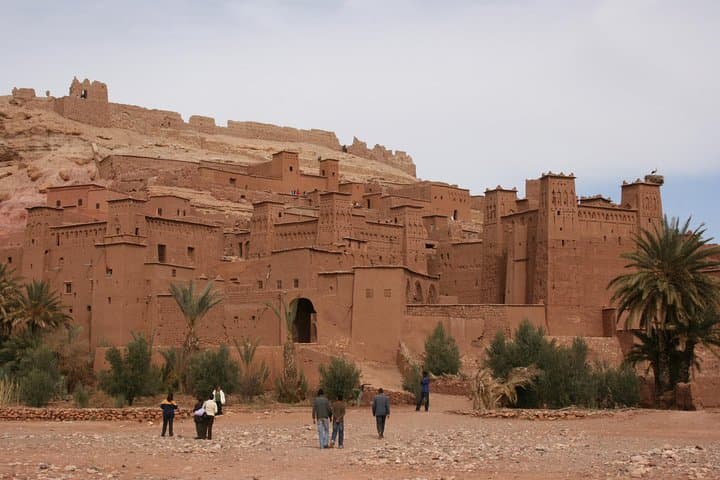
A low-slung minivan uncoils from Marrakech and begins to climb, the High Atlas folding skyward around the road. Wind scours the pass at Tizi-n-Tichka, and villages of sun-bleached mud-brick houses cling to terraces like human weather. By late morning the ochre walls of Aït Benhaddou rise from the valley—an ancient ksar where caravan routes met and earthen towers still watch the highway.
A low-slung minivan uncoils from Marrakech and begins to climb, the High Atlas folding skyward around the road. Wind scours the pass at Tizi-n-Tichka, and villages of sun-bleached mud-brick houses cling to terraces like human weather. By late morning the ochre walls of Aït Benhaddou rise from the valley—an ancient ksar where caravan routes met and earthen towers still watch the highway.
Geology here is blatant: the Atlas is young uplifted rock, cut by rivers into red cliffs and tight gorges; Erg Chebbi is the opposite—mobile sand shaped by wind into wave after perfect wave of dunes. Culture threads the route—Berber settlements, kasbahs of defensive mud, market towns such as Rissani that still trade in dates and spices. Todra Gorge puts vertical limestone walls in stark contrast to the open desert that follows.
Practical guidance is straightforward. Expect long, scenic driving days with short hikes and photo stops; bring sun protection, layered clothing for 40°C days and near-freezing nights, and sturdy shoes for rocky gorges and dune climbs. The camel trek is gentle but uneven—pack light, secure valuables, and carry water and snacks for flexibility. Camps are traditional and basic; ask about toilet facilities and bedding if you need facilities beyond what’s typical. Cash (dirham) is useful in smaller towns and for tipping. Timing your dune walk for sunrise or sunset rewards you with the best light and cooler temperatures.
This itinerary balances cultural stops and desert immersion: a compact, accessible way to move from Atlas passes to a night under the Sahara sky.