THE ADVENTURE COLLECTIVE® · Independent discovery and booking for outdoor travel

A three-day private circuit from Brussels through Waterloo, the WWI battlefields of Flanders and the fortified city of Luxembourg. Expect battlefield memorials, guided context, and riverside Dinant with free time to explore.
A three-day private circuit from Brussels through Waterloo, the WWI battlefields of Flanders and the fortified city of Luxembourg. Expect battlefield memorials, guided context, and riverside Dinant with free time to explore.
You step down from an air-conditioned minivan and the ground seems to hold names—mounds, cemeteries and farmhouses that remember gunpowder and orders. The Lion’s Mound rises out of open farmland; nearby, grave markers align like a quiet grid. On day two the landscape flattens into the Flanders plain where low ridges and interrupted canals speak to trench warfare; on the third day the Meuse threads through Dinant, lifting the gaze to a citadel and onion-domed church.
Verified experiences and guided adventures in the surrounding area.
Operated by YS BELGIUM LIMOUSINE · Brussels, Brussels
You step down from an air-conditioned minivan and the ground seems to hold names—mounds, cemeteries and farmhouses that remember gunpowder and orders. The Lion’s Mound rises out of open farmland; nearby, grave markers align like a quiet grid. On day two the landscape flattens into the Flanders plain where low ridges and interrupted canals speak to trench warfare; on the third day the Meuse threads through Dinant, lifting the gaze to a citadel and onion-domed church.
This itinerary threads three distinct histories: Napoleon’s final stand at Waterloo (1815), the artillery-soaked Ypres Salient of World War I, and Luxembourg’s fortified capital with its Renaissance and Baroque layers. Geology matters here—Brabant’s clay farmlands and Flanders’ reclaimed lowlands shaped troop movements and tunneling at Hill 60; the Meuse carved Dinant’s steep riverbanks and supported its brassworking tradition, including Adolphe Sax’s birthplace.
Culturally, expect bilingual guides, quiet cemeteries maintained by Commonwealth War Graves, and local cafés serving simple, hearty fare between visits. Practicalities: the tour runs as private transport with onboard Wi‑Fi and bottled water; hotels are not included.
Pack sturdy walking shoes, a rain shell, and a small daypack for camera and layers. Plan for variable weather—mornings can be crisp, afternoons warm, and many sites are exposed. Respect memorial sites: photography is accepted but keep voices low and avoid stepping on graves. With three days you’ll balance guided context and independent time in Ypres and Luxembourg—a paced, historically rich route for travelers who prefer outdoors and interpretation over museum-only visits.
easy.
3 days.
Suitable for travelers in average physical condition; involves moderate walking at historic sites.
The tour is based from Brussels with hotel pickup and return; exact pickup point is arranged at booking.
Standard itinerary descriptions note that admissions are generally not included—entry fees and lunches are at your own expense unless specified.
The tour is rated easy and suitable for most ages, but it is not recommended for travelers with serious heart problems; some walking and steps are required.
Guides are available in English, Spanish, French, German and Italian per the tour listing.
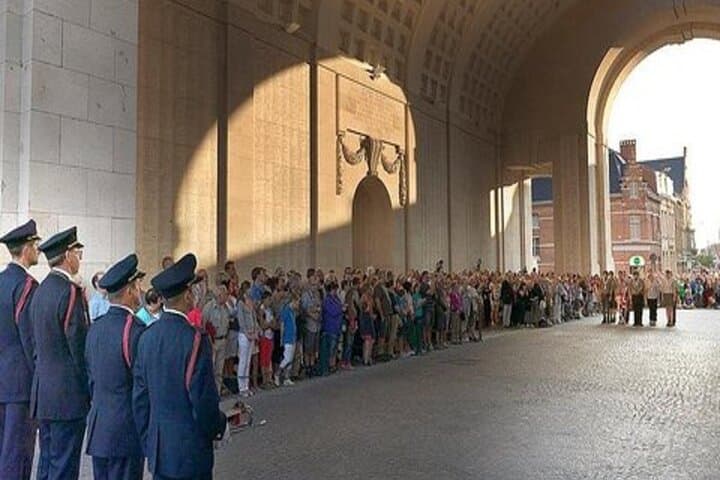
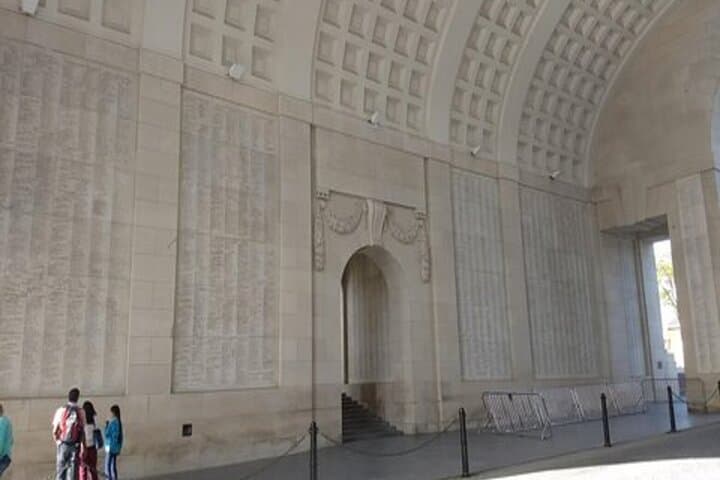
The route connects Napoleon’s 1815 Waterloo sites with the WWI Ypres Salient where tunnels, trenches and cemeteries mark intense industrialized warfare; Luxembourg adds a medieval-to-modern political arc.
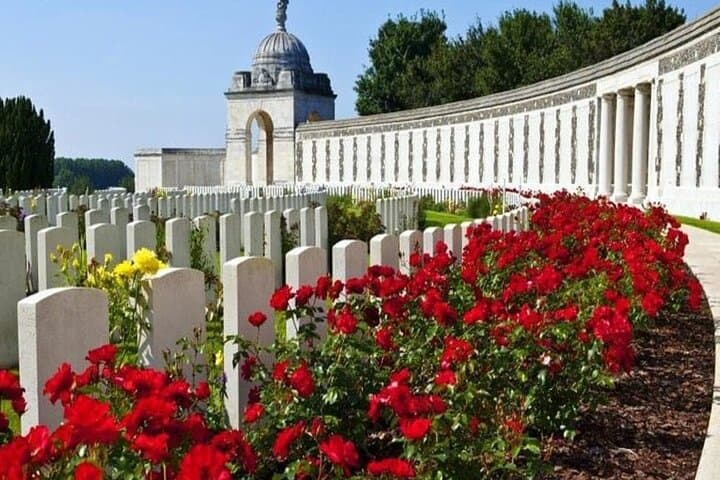
Many cemeteries are maintained by international organizations; visitors should stick to paths to avoid disturbing soil and memorial plantings.
YS BELGIUM LIMOUSINE operates guided outdoor trips and adventures with an emphasis on safety, stewardship, and memorable experiences.
You step down from an air-conditioned minivan and the ground seems to hold names—mounds, cemeteries and farmhouses that remember gunpowder and orders. The Lion’s Mound rises out of open farmland; nearby, grave markers align like a quiet grid. On day two the landscape flattens into the Flanders plain where low ridges and interrupted canals speak to trench warfare; on the third day the Meuse threads through Dinant, lifting the gaze to a citadel and onion-domed church.
You step down from an air-conditioned minivan and the ground seems to hold names—mounds, cemeteries and farmhouses that remember gunpowder and orders. The Lion’s Mound rises out of open farmland; nearby, grave markers align like a quiet grid. On day two the landscape flattens into the Flanders plain where low ridges and interrupted canals speak to trench warfare; on the third day the Meuse threads through Dinant, lifting the gaze to a citadel and onion-domed church.
This itinerary threads three distinct histories: Napoleon’s final stand at Waterloo (1815), the artillery-soaked Ypres Salient of World War I, and Luxembourg’s fortified capital with its Renaissance and Baroque layers. Geology matters here—Brabant’s clay farmlands and Flanders’ reclaimed lowlands shaped troop movements and tunneling at Hill 60; the Meuse carved Dinant’s steep riverbanks and supported its brassworking tradition, including Adolphe Sax’s birthplace.
Culturally, expect bilingual guides, quiet cemeteries maintained by Commonwealth War Graves, and local cafés serving simple, hearty fare between visits. Practicalities: the tour runs as private transport with onboard Wi‑Fi and bottled water; hotels are not included.
Pack sturdy walking shoes, a rain shell, and a small daypack for camera and layers. Plan for variable weather—mornings can be crisp, afternoons warm, and many sites are exposed. Respect memorial sites: photography is accepted but keep voices low and avoid stepping on graves. With three days you’ll balance guided context and independent time in Ypres and Luxembourg—a paced, historically rich route for travelers who prefer outdoors and interpretation over museum-only visits.